GCC Macro Daily(Beta Mode)
Saudi GDP Shrinks 3.8% as War Risk Builds
Market Snapshot
| Asset | Level | Change |
|---|---|---|
| Saudi Aramco | 25.92 | +0.00% |
| MSCI Saudi | 34.29 | +0.20% |
| MSCI UAE | 19.22 | +1.16% |
| MSCI Qatar | 16.98 | +5.04% |
| MSCI Kuwait | 34.72 | -1.08% |
| Brent Crude | 103.47 | -1.24% |
| WTI Crude | 95.82 | -0.66% |
| Gold | 3,947.90 | -0.55% |
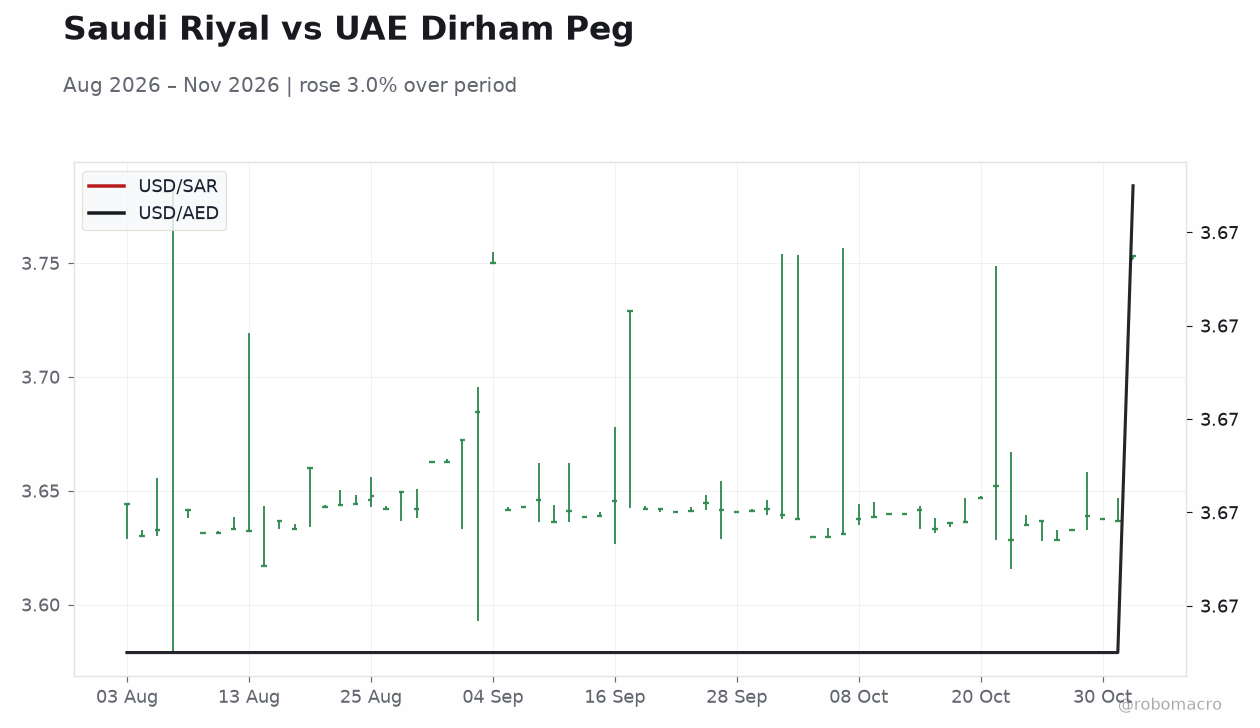
| USD/SAR | 3.75 | +3.20% |
| USD/AED | 3.67 | +0.04% |
| USD/KWD | 0.31 | -0.83% |
| Bitcoin | 77,311.41 | +0.83% |
Prior Economic Events
| Data | Prior | Cons | Actual |
|---|---|---|---|
| GDP Growth Year-over-Year Preliminary | -4.70 | - | -3.80 |
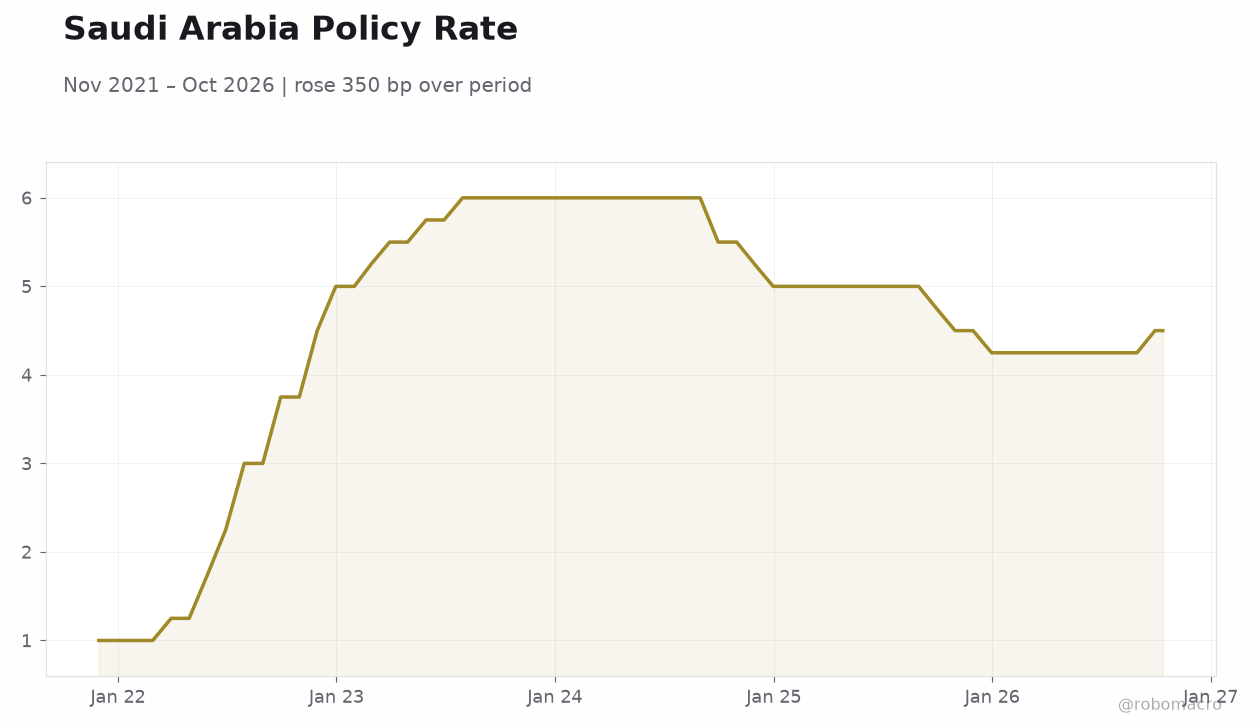 Saudi Arabia Policy Rate | Type: macro_line | SAMA policy rate (%): 4.5 (2026-10-13) | Range: 1–6 | Trend(5pt): 1,5.25,6,5,4.5
Today's Economic Events
| Data | Prior | Cons | Time |
|---|---|---|---|
| No events available | |||
- Saudi Arabia's preliminary Q3 GDP contracted 3.8% y/y as oil output cuts and conflict disruption weigh on the kingdom's fiscal position.
- Qatar's MSCI index surged 5.04% while Kuwait fell 1.08%, reflecting divergent investor sentiment amid an LNG tanker attack and diplomatic efforts.
- Brent crude eased 1.24% to $103.47 on optimism over Qatari-led talks to end the Iran war, though security risks remain elevated.
Yesterday's Recap
Saudi Arabia's economy contracted 3.8% year-over-year in preliminary Q3 data, a modest improvement from the prior quarter's -4.7% print but still reflecting the drag from reduced oil output and regional conflict. The kingdom also posted a Q3 budget deficit of $22.38 billion, underscoring fiscal pressure despite Aramco's 34.6% surge in third-quarter profit. Saudi Arabia's non-oil private sector growth eased in October, with PMI data signaling continued expansion but at a slower pace, while Kuwait's PMI also pointed to growth.
Regional equity markets diverged sharply: Qatar's MSCI index rallied 5.04%, the UAE gained 1.16%, and Saudi Arabia edged up 0.20%, while Kuwait declined 1.08%. The USD/SAR showed a technical adjustment of +3.20% in the data feed, though the riyal remains firmly pegged at 3.75. Brent crude fell 1.24% to $103.47 as diplomatic efforts led by Qatar raised hopes for de-escalation in the Iran conflict.
The Day Ahead
No scheduled GCC macro data releases are on the calendar for Sunday, November 1, with markets focused on geopolitical developments over the weekend. Traders will monitor headlines from Qatari-led diplomatic efforts aimed at brokering a US-Iran understanding, with the Qatari foreign ministry expressing continued hope for a deal. Security developments remain critical after an attack on a Qatari LNG tanker drew condemnation from the UAE, the Arab League, and the GCC.
Oil price direction will be the primary driver of sentiment, with Brent's reaction to weekend news setting the tone for Sunday's equity open. Regional bond markets will also watch for any sovereign CDS spread widening tied to escalation risk.
Other Economic Notes
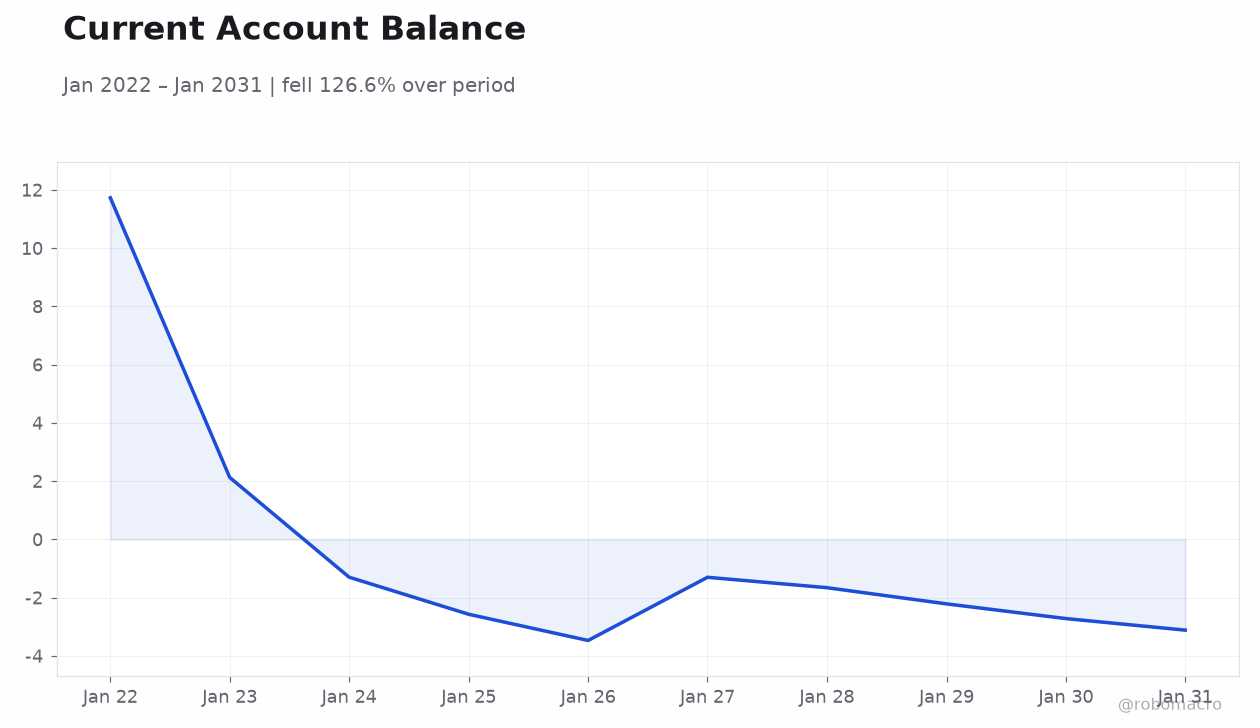
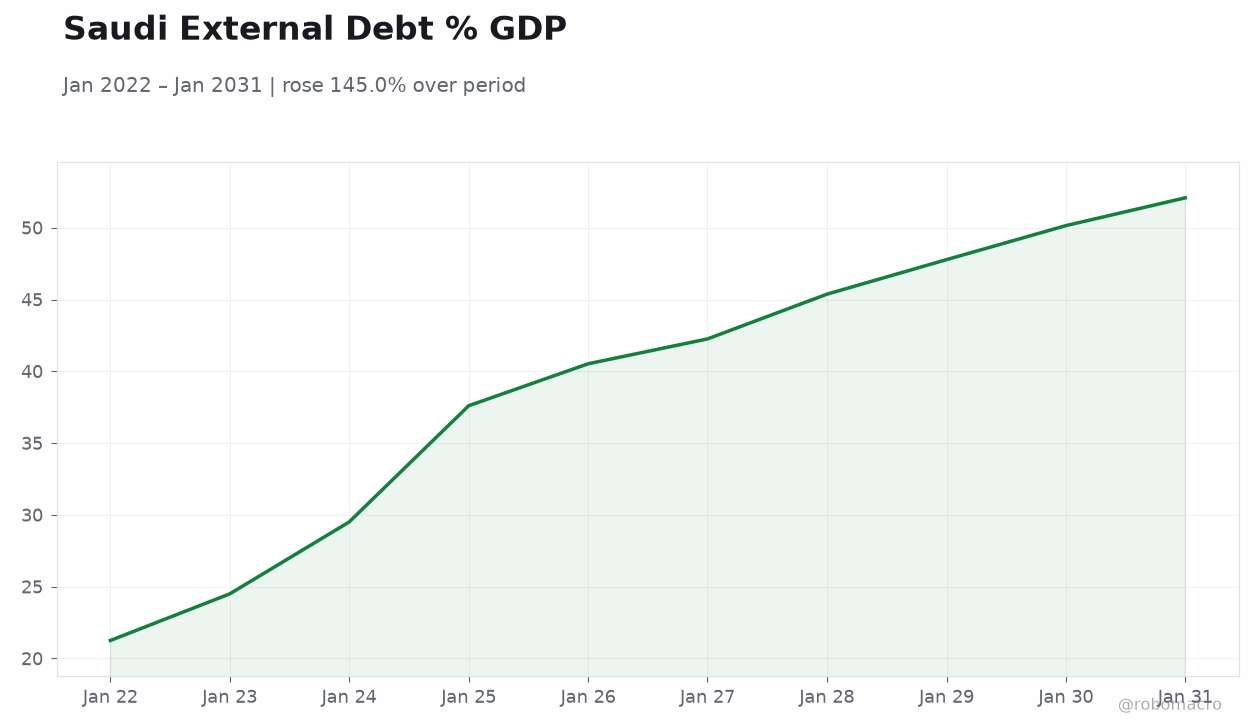
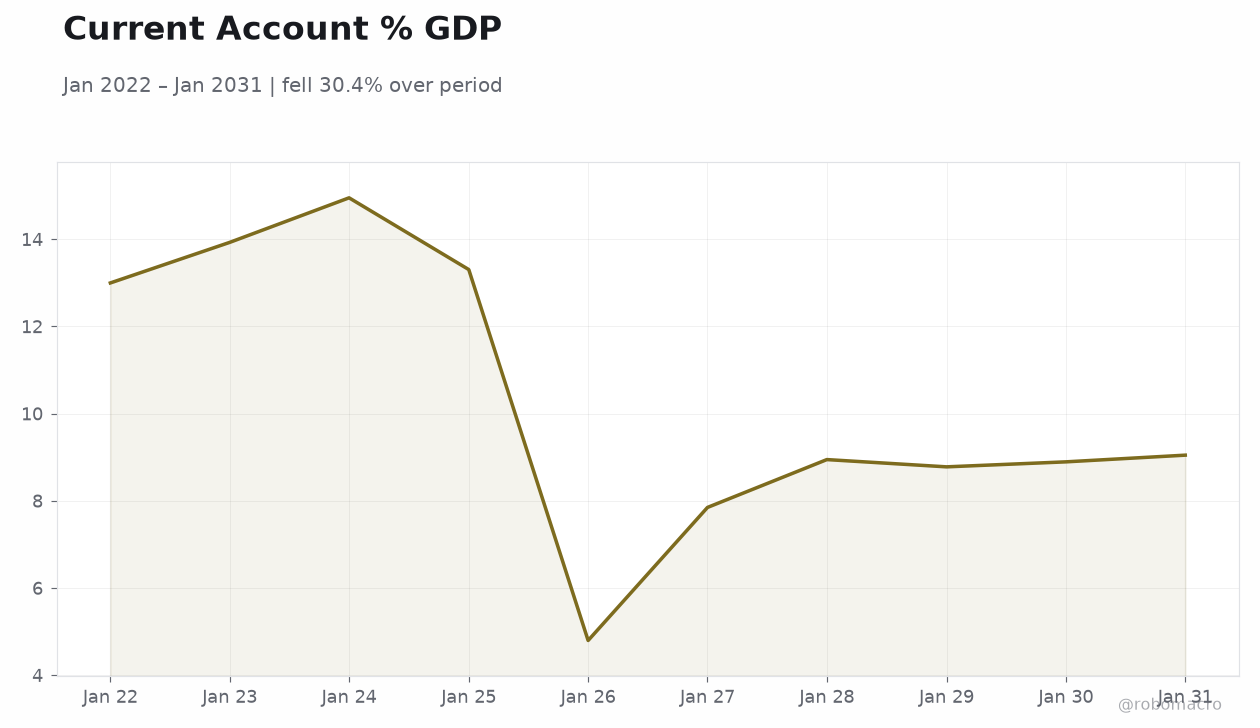
The UAE announced plans for AED 200 billion in energy sector investment by 2030, reinforcing its long-term diversification strategy. ADNOC became the first energy company to deploy OpenAI Frontier, signaling accelerating AI adoption in the Gulf's upstream sector. Saudi Arabia's external position remains a buffer against war-related challenges, with reserve adequacy supporting the riyal peg despite the GDP contraction.
The attack on a Qatari LNG tanker highlights the vulnerability of energy infrastructure to regional conflict, a risk premium likely to persist across GCC sovereign credit. Non-oil diversification momentum continues, though PMI easing in Saudi Arabia suggests private sector activity faces headwinds from uncertainty.