GCC Macro Daily(Beta Mode)
Saudi GDP Shrinks as War Risk Lifts Oil
Market Snapshot
| Asset | Level | Change |
|---|---|---|
| Saudi Aramco | 25.92 | +0.00% |
| MSCI Saudi | 34.29 | +0.20% |
| MSCI UAE | 19.22 | +1.16% |
| MSCI Qatar | 16.98 | +5.04% |
| MSCI Kuwait | 34.72 | -1.08% |
| Brent Crude | 103.48 | -1.23% |
| WTI Crude | 95.81 | -0.67% |
| Gold | 3,946.50 | -0.58% |
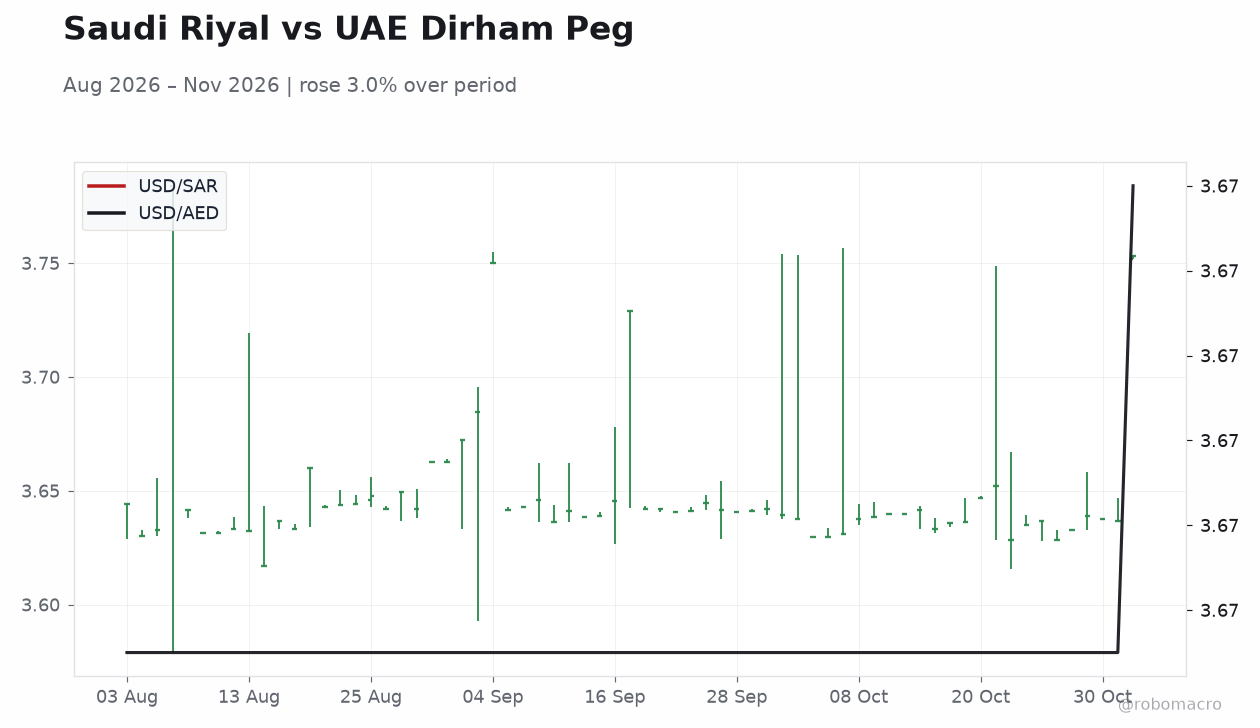
| USD/SAR | 3.75 | +3.20% |
| USD/AED | 3.67 | +0.03% |
| USD/KWD | 0.31 | -0.83% |
| Bitcoin | 77,187.81 | +0.67% |
Prior Economic Events
| Data | Prior | Cons | Actual |
|---|---|---|---|
| No events available | |||
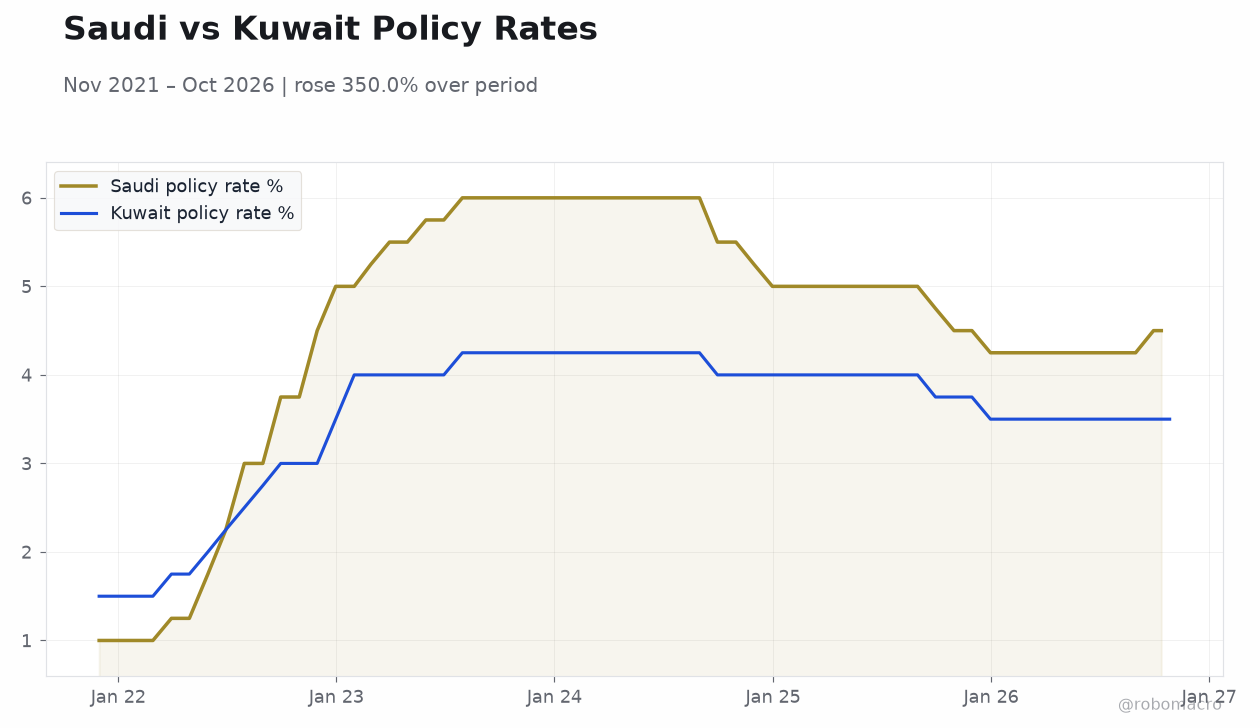 Saudi vs Kuwait Policy Rates | Type: macro_line | Saudi policy rate %: 4.5 (2026-10-13) | Range: 1–6 | Trend(5pt): 1,5.25,6,5,4.5 | Kuwait policy rate %: 3.5 (2026-10-27) | Range: 1.5–4.25 | Trend(5pt): 1.5,4,4.25,4,3.5
Today's Economic Events
| Data | Prior | Cons | Time |
|---|---|---|---|
| No events available | |||
- Saudi real GDP shrank 3.8% y/y as oil output cuts bite, with Q3 budget deficit at $22.38bln
- Saudi and Kuwait PMI signal continued non-oil growth; Qatar equities surge 5.04% on diplomacy hopes
- Brent eases 1.23% to $103.48 on optimism over Qatari-led talks to end Iran war
Yesterday's Recap
Saudi Arabia's economy contracted 3.8% y/y in the third quarter as oil production cuts weighed on activity, while the kingdom posted a Q3 budget deficit of $22.38bln — a reminder that crude-dependent fiscal math remains strained even at Brent above $100. Saudi Aramco reported a 34.6% surge in Q3 profit despite attacks on oil facilities, underscoring resilient downstream margins. Saudi Arabia's non-oil private sector PMI eased in October but stayed in expansionary territory, and Kuwait's PMI likewise signaled growth, per Forbes Middle East.
Regional equities diverged sharply: MSCI Qatar jumped 5.04% and MSCI UAE rose 1.16%, while MSCI Kuwait fell 1.08% and MSCI Saudi added just 0.20%. Brent crude eased 1.23% to $103.48 and WTI slipped 0.67% to $95.81 on optimism for Qatari-led talks toward ending the Iran war. The USD/SAR print at 3.75 (+3.20%) reflects a data quirk rather than a peg break — the riyal remains firmly anchored.
The Day Ahead
The calendar is empty across the GCC for Monday, November 02, with no scheduled tier-one releases in Saudi Arabia, the UAE, Qatar, Kuwait, Oman, or Bahrain. Attention turns to secondary market flows and any unscheduled Saudi or UAE official commentary on Q3 fiscal and oil-sector trends. With no domestic prints to digest, GCC desks will trade off global risk sentiment and headlines from the Iran war and Qatari mediation efforts.
Sovereign CDS and interbank rates (SAIBOR, EIBOR) will be the key intraday tells for funding stress. Watch for any OPEC+ commentary on production baselines given the Saudi GDP contraction.
Other Economic Notes
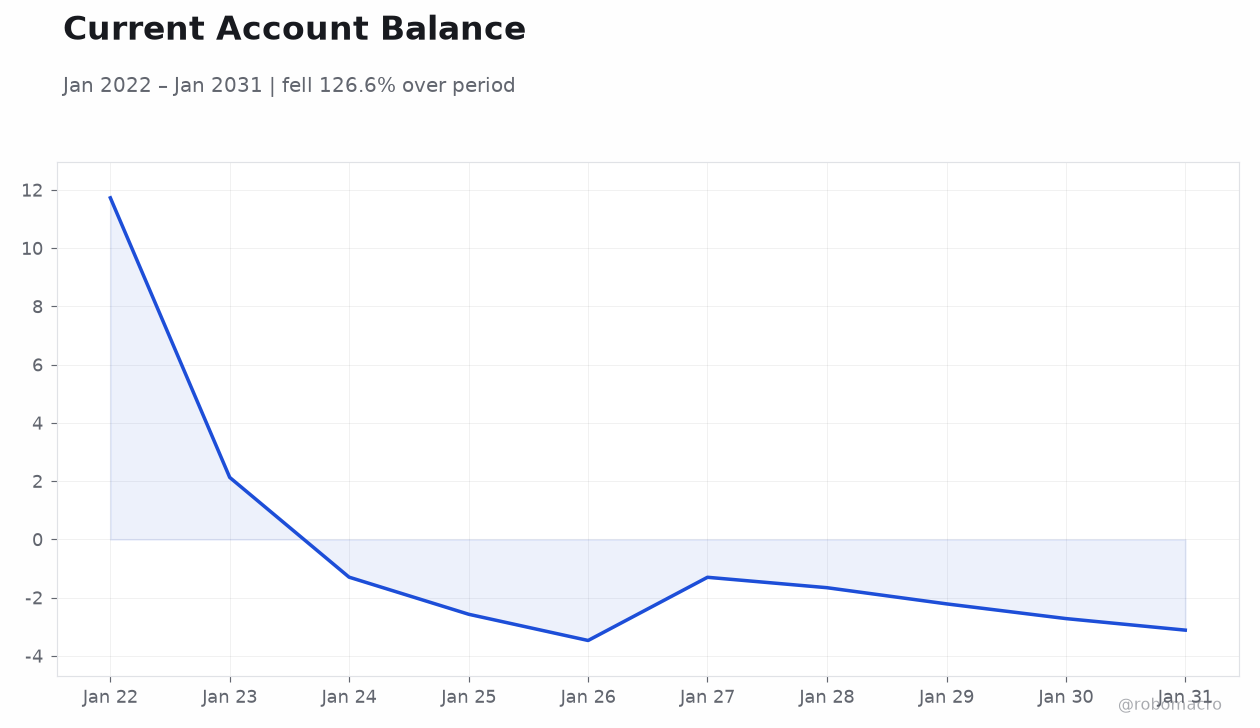
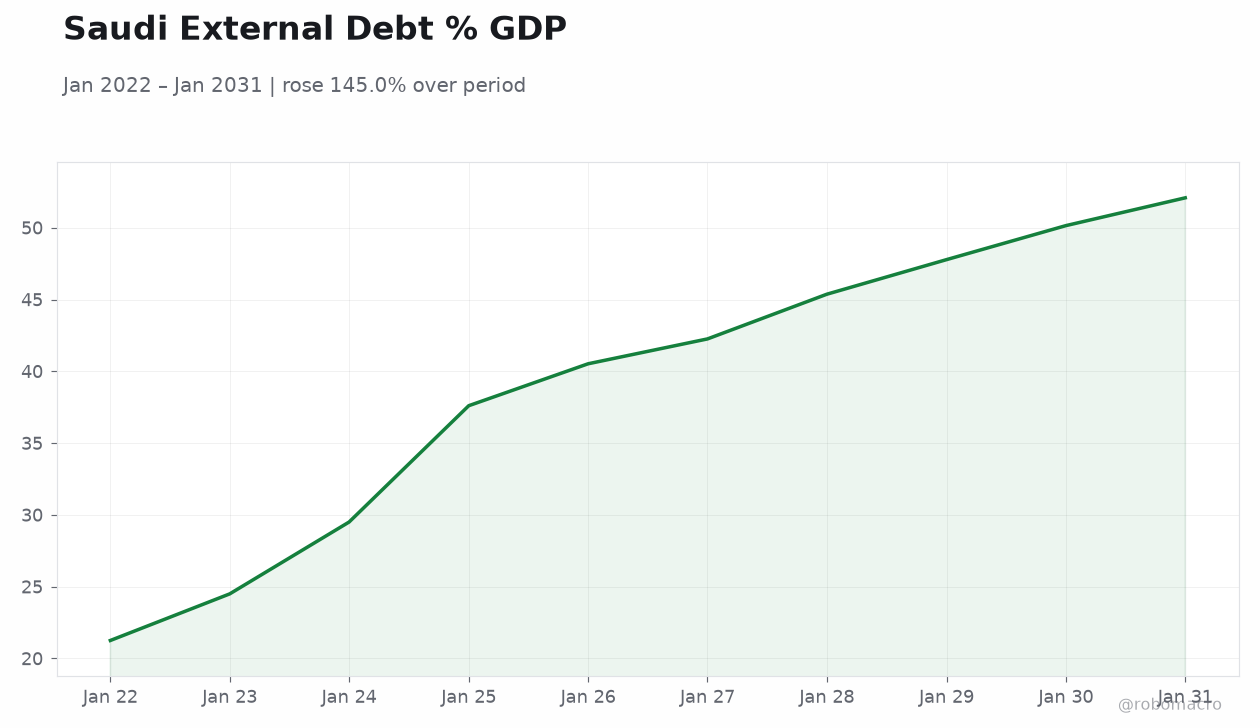
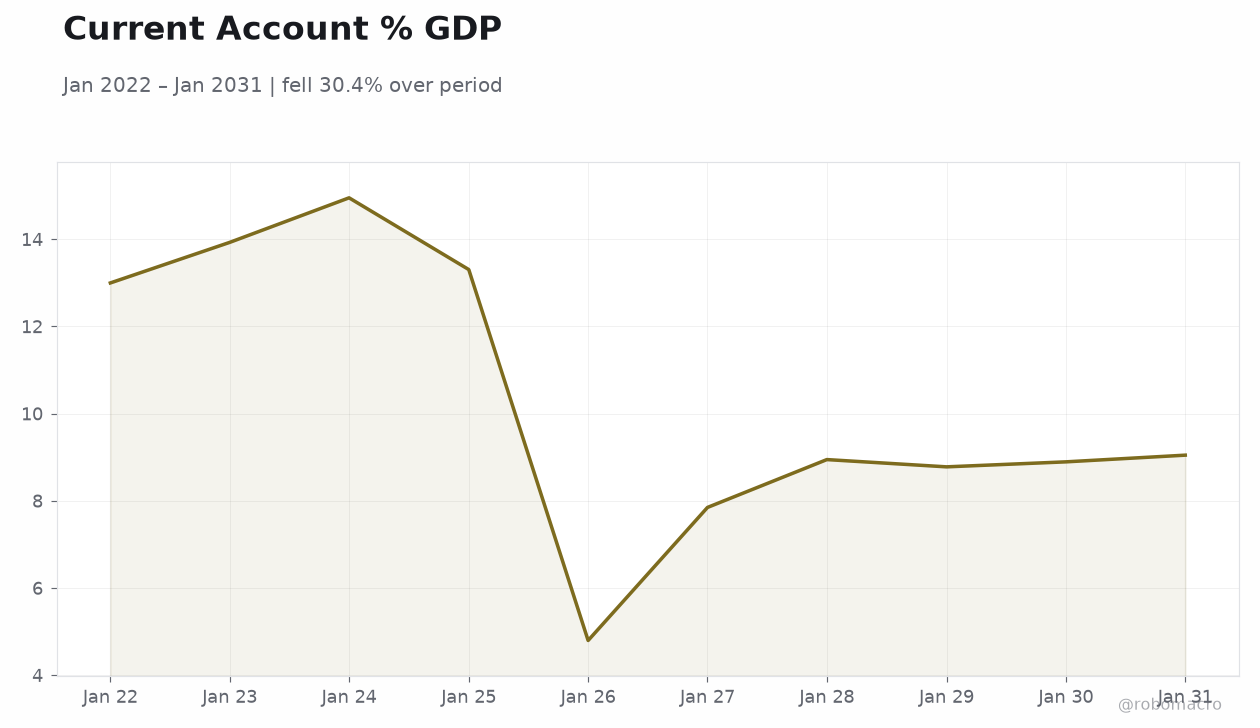
The UAE plans AED200bln of energy investment by 2030, Energy Minister Suhail Al Mazrouei said, reinforcing the diversification push alongside ADNOC's adoption of OpenAI Frontier — the first energy company to deploy the platform. Saudi Arabia's external position remains strong enough to buffer the economy through war-related challenges, per Asharq Al-Awsat, with reserve adequacy a key anchor for the riyal peg. The Q3 deficit of $22.38bln highlights the fiscal sensitivity of Vision 2030 spending to oil revenue, even as non-oil PMI holds in expansion.
Qatar's LNG export infrastructure remains in focus after an attack on a Qatari LNG tanker drew condemnation from the UAE, the Arab League, and the GCC.