GCC Macro Daily(Beta Mode)
Saudi GDP Shrinks, Deficit Widens
Market Snapshot
| Asset | Level | Change |
|---|---|---|
| Saudi Aramco | 26.16 | +0.23% |
| MSCI Saudi | 34.33 | +0.13% |
| MSCI UAE | 19.25 | +0.13% |
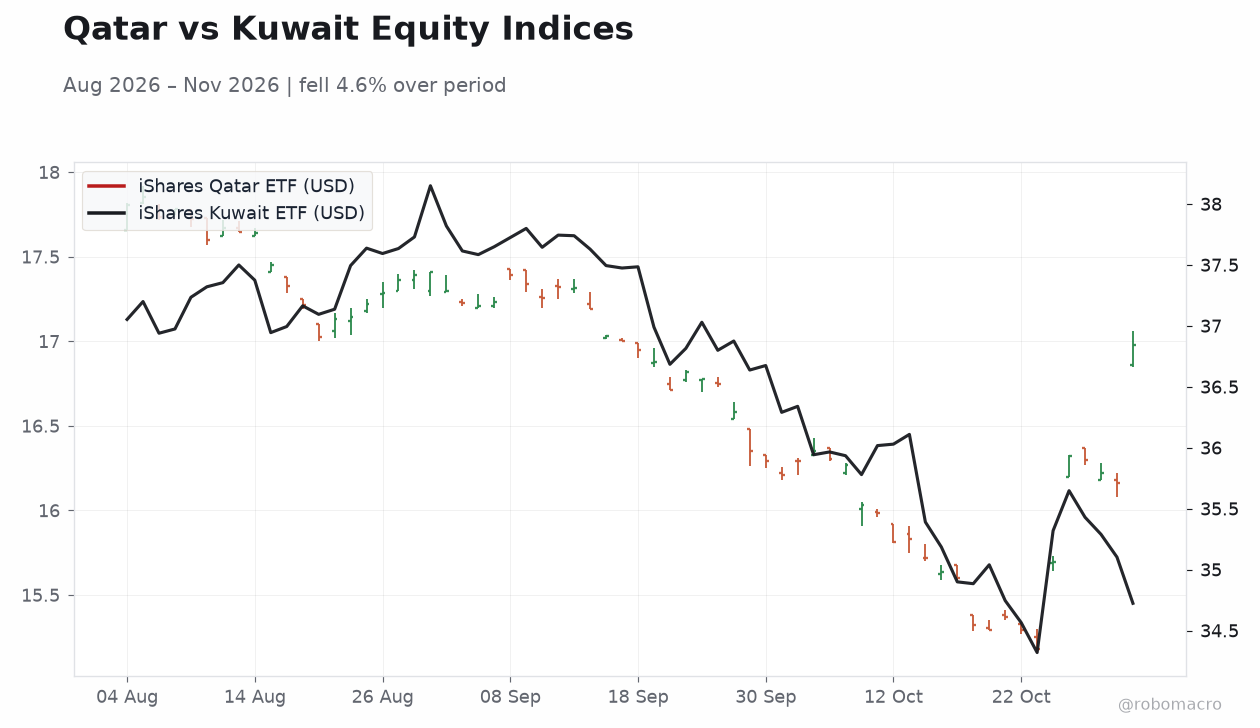
| MSCI Qatar | 16.95 | -0.21% |
| MSCI Kuwait | 34.72 | -0.00% |
| Brent Crude | 103.38 | -1.33% |
| WTI Crude | 95.60 | -0.89% |
| Gold | 3,959.70 | -0.25% |
| USD/SAR | 3.75 | +2.92% |
| USD/AED | 3.67 | +0.03% |
| USD/KWD | 0.31 | +0.07% |
| Bitcoin | 77,057.13 | +0.50% |
Prior Economic Events
| Data | Prior | Cons | Actual |
|---|---|---|---|
| No events available | |||
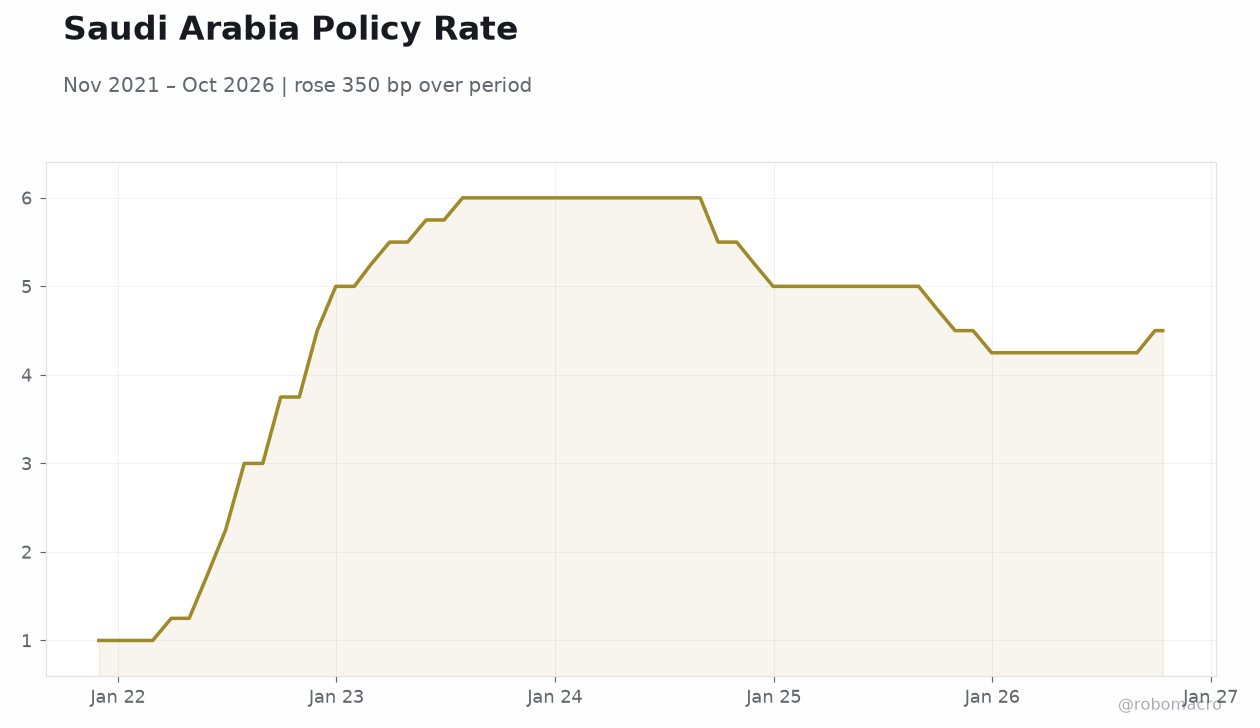 Saudi Arabia Policy Rate | Type: macro_line | SAMA policy rate (%): 4.5 (2026-10-13) | Range: 1–6 | Trend(5pt): 1,5.25,6,5,4.5
Today's Economic Events
| Data | Prior | Cons | Time |
|---|---|---|---|
| No events available | |||
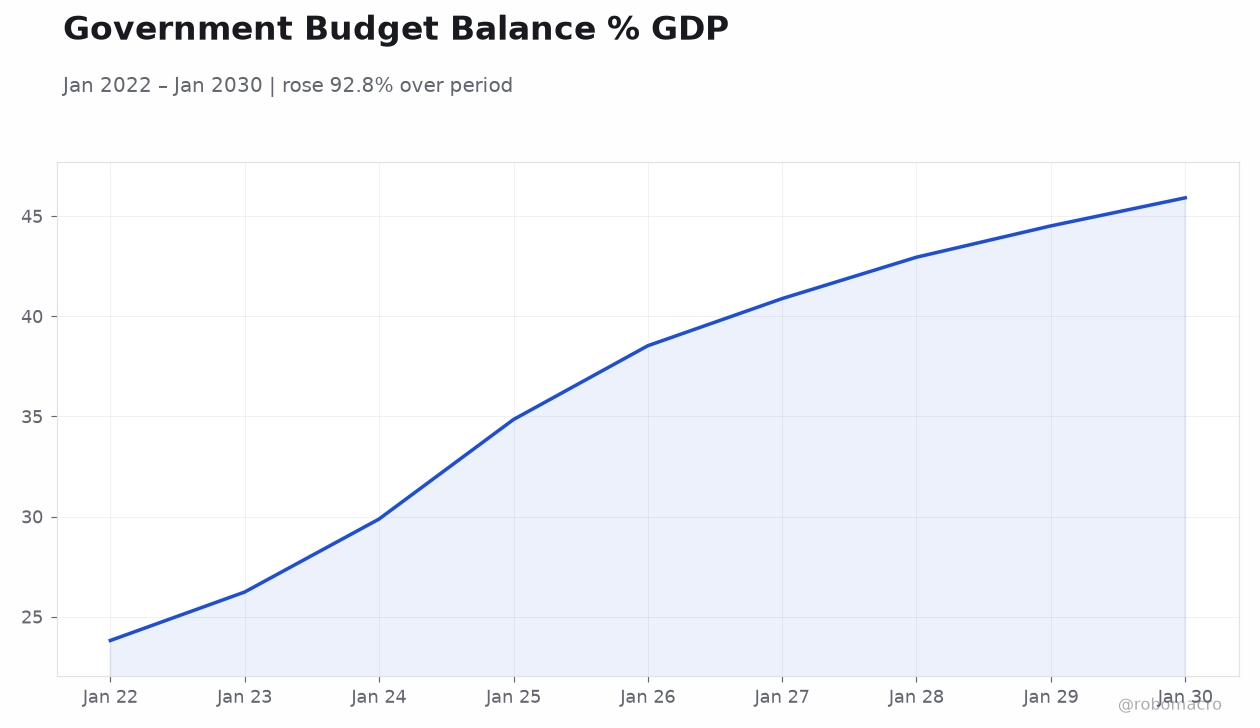
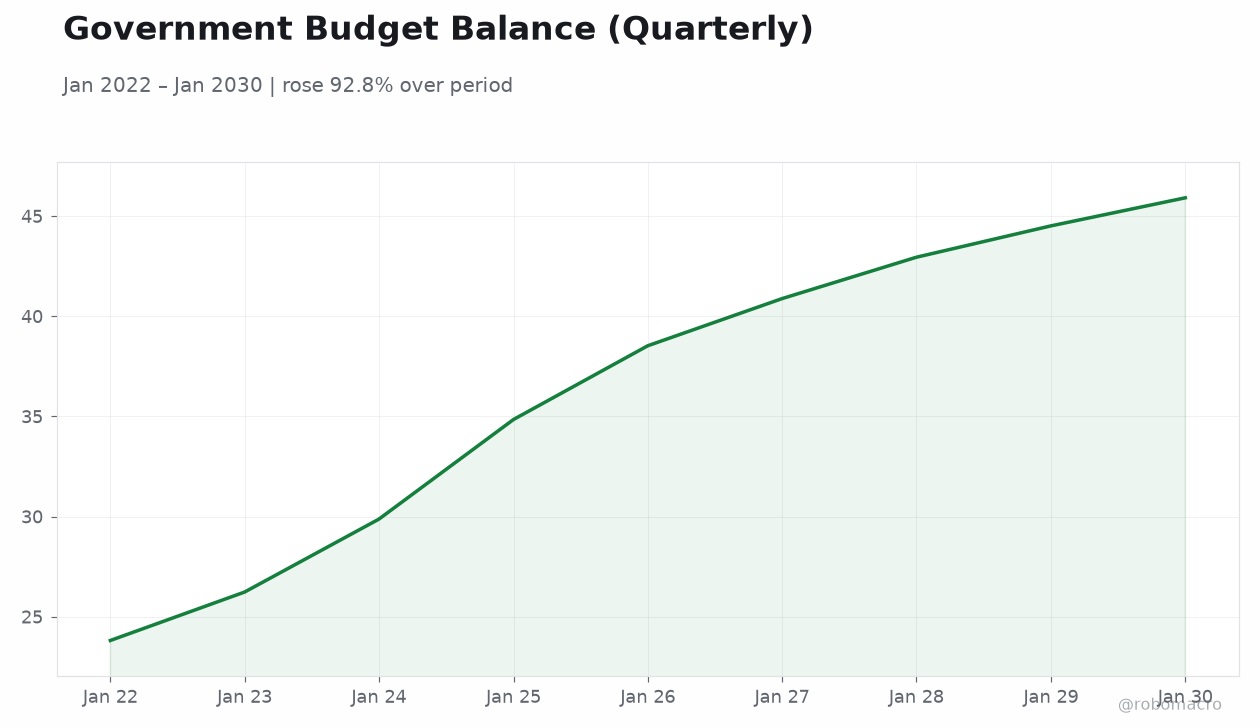
- Saudi Arabia's economy contracted 3.8% as oil output cuts bite, with Q3 budget deficit at $22.38bln
- Regional security risks escalate as Qatar mediates US-Iran talks; LNG tanker attack condemned
- Brent eases 1.3% to $103.38 on diplomatic optimism, though Kuwait PMI signals non-oil growth
Yesterday's Recap
Saudi Arabia's economy shrank 3.8% year-on-year in Q3 2026 as OPEC+ production cuts weighed heavily on oil-sector activity, while the kingdom posted a quarterly budget deficit of $22.38bln — narrower than the prior quarter but still substantial. Saudi Aramco defied the macro gloom, reporting a 34.6% surge in third-quarter profits on stronger refining margins and cost efficiencies, sending shares up 0.23% to SAR26.16. PMI data showed Saudi Arabia and Kuwait continuing to signal non-oil private sector growth, underscoring diversification momentum even as headline GDP contracts.
Regional security dominated sentiment: the UAE condemned an attack on a Qatari LNG tanker, with the GCC and Arab League issuing coordinated statements, while Dr. Anwar Gargash warned the UAE is "braced for worst" amid uncertainty over fresh Iran hostilities. Equity markets were mixed — MSCI Saudi and UAE each gained 0.13%, while Qatar slipped 0.21% and Kuwait was flat.
The USD/SAR printed at 3.75 with a 2.92% daily change reflecting the data calendar's reference-rate adjustment rather than any peg deviation.
The Day Ahead
No scheduled GCC macro releases appear on the calendar for today, leaving markets to digest yesterday's Saudi GDP and fiscal prints alongside PMI momentum. Traders will monitor Qatari-led diplomatic efforts toward an interim US-Iran deal, with any de-escalation likely to pressure crude further and weigh on GCC fiscal breakevens. Saudi equity direction will hinge on whether Aramco's profit beat sustains buying interest in the Tadawul, while UAE markets watch for follow-through on the announced AED200bln energy investment plan through 2030.
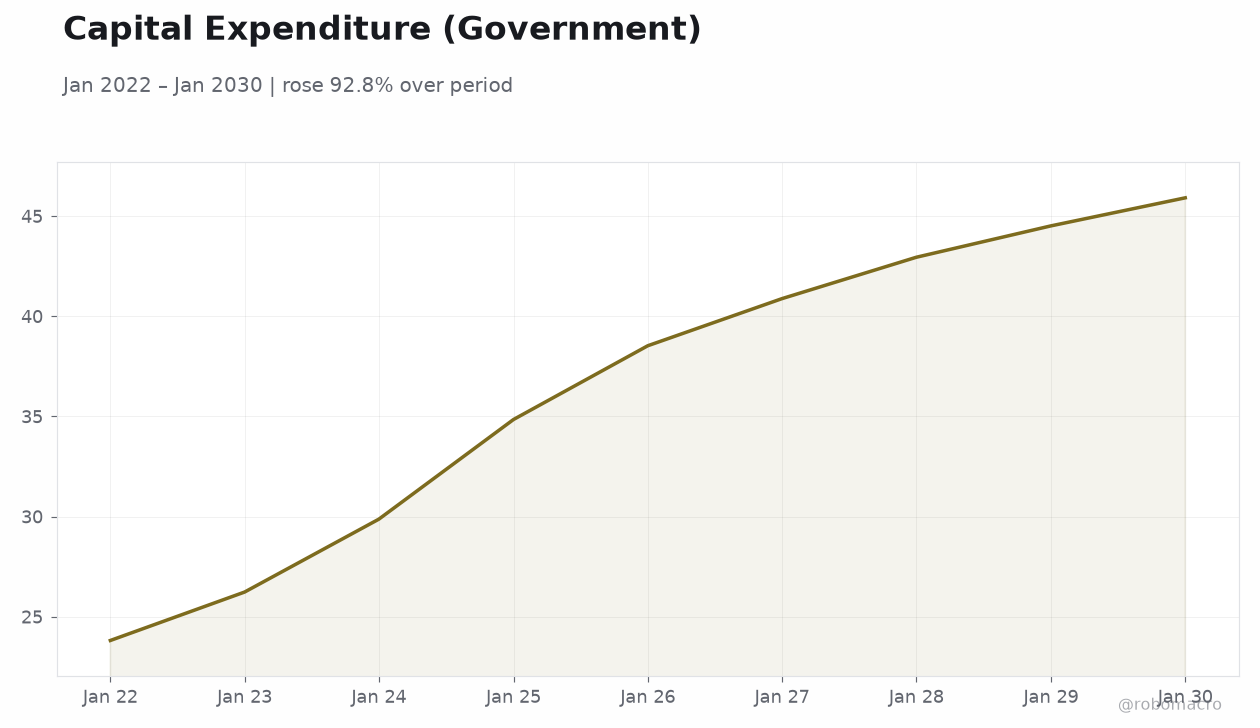
Regional CDS spreads bear watching given the LNG tanker attack and ongoing Hormuz risk premium. Kuwait's parliament-approved airport and leisure projects add modest non-oil capex color.
Other Economic Notes
The UAE's plan to deploy AED200bln in energy investment by 2030 signals continued diversification commitment even as hydrocarbon revenues face pressure. Greenpeace MENA's examination of UAE and Saudi pathways to 2040 highlights growing scrutiny of the energy transition pace across the Gulf. Saudi Arabia's external position remains a buffer — ASHARQ AL-AWSAT noted the strength of reserves supports the economy despite war-related challenges.
↓ p.2