GCC Macro Daily(Beta Mode)
Saudi Budget Approved as Oil Volatility Persists
Market Snapshot
| Asset | Level | Change |
|---|---|---|
| Saudi Aramco | 26.30 | +0.61% |
| MSCI Saudi | 34.82 | -0.37% |
| MSCI UAE | 21.58 | +1.17% |
| MSCI Qatar | 17.79 | +0.91% |
| MSCI Kuwait | 35.55 | +0.00% |
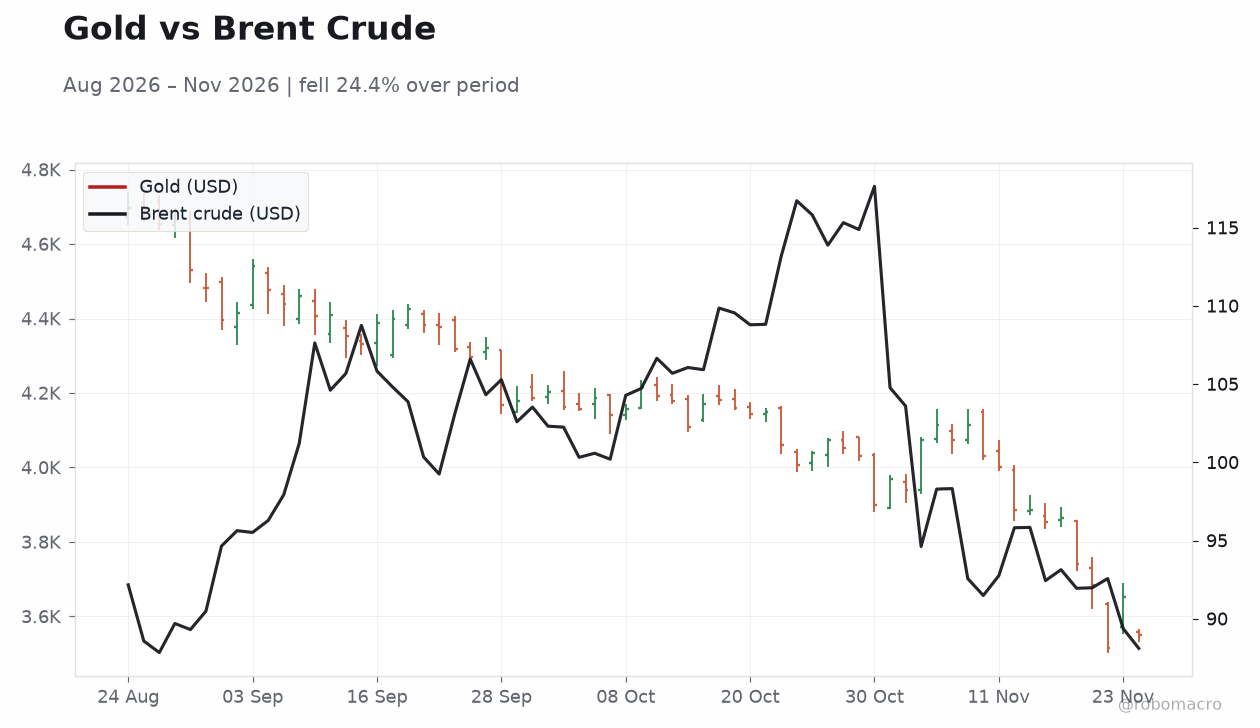
| Brent Crude | 88.14 | -1.38% |
| WTI Crude | 81.33 | +1.45% |
| Gold | 3,545.00 | -2.91% |
| USD/SAR | 3.75 | +3.49% |
| USD/AED | 3.67 | +0.03% |
| USD/KWD | 0.31 | -0.81% |
| Bitcoin | 59,059.72 | -3.51% |
Prior Economic Events
| Data | Prior | Cons | Actual |
|---|---|---|---|
| No events available | |||
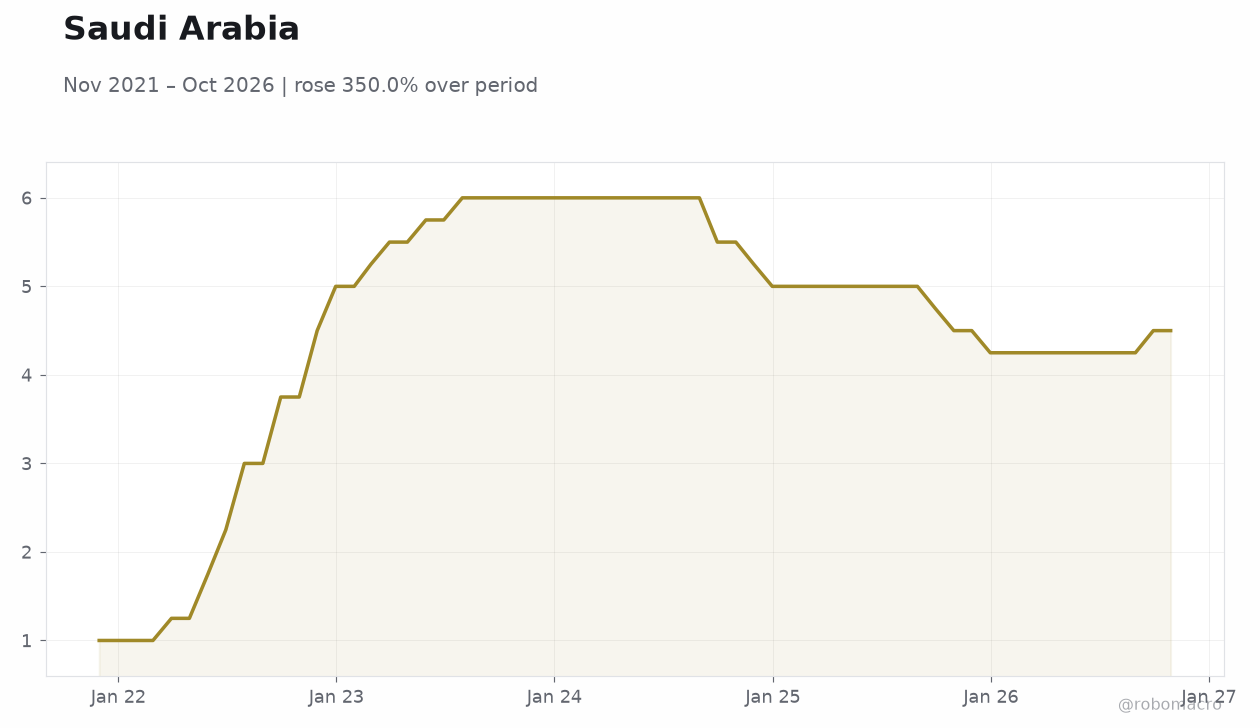 Saudi Arabia | Type: macro_line | Saudi policy rate (%): 4.5 (2026-10-29) | Range: 1–6 | Trend(5pt): 1,5.25,6,5,4.5
Today's Economic Events
| Data | Prior | Cons | Time |
|---|---|---|---|
| No events available | |||
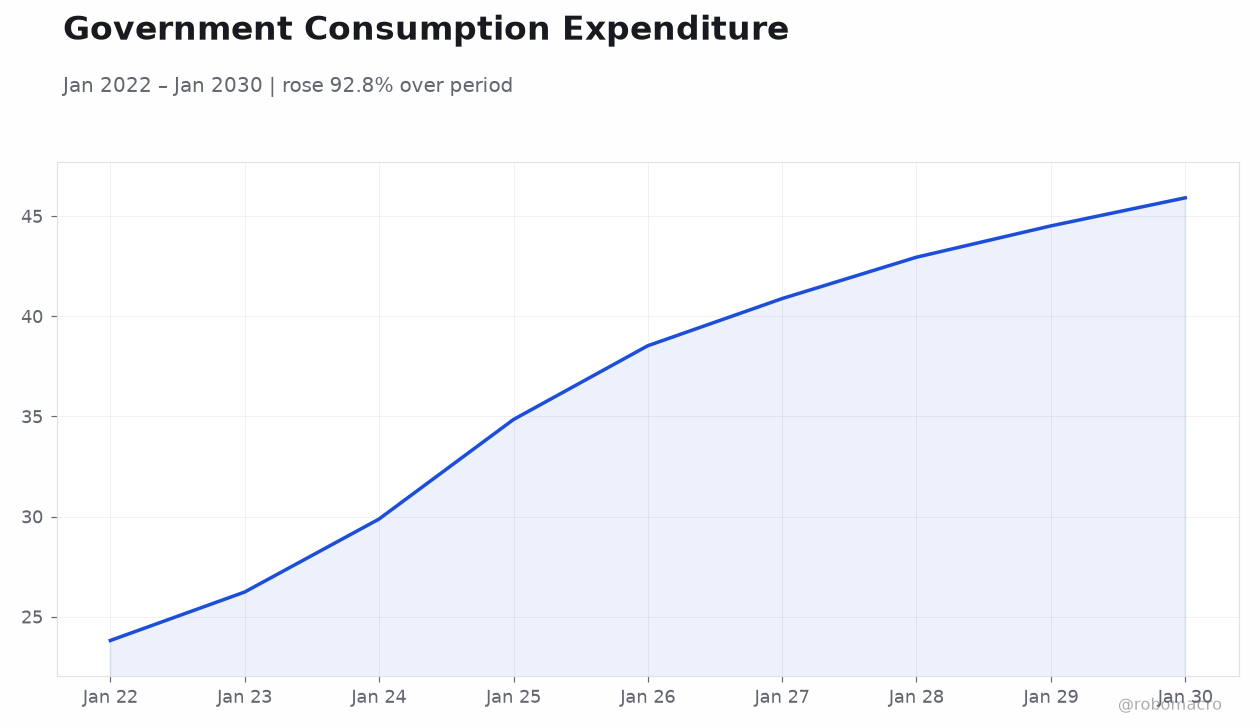
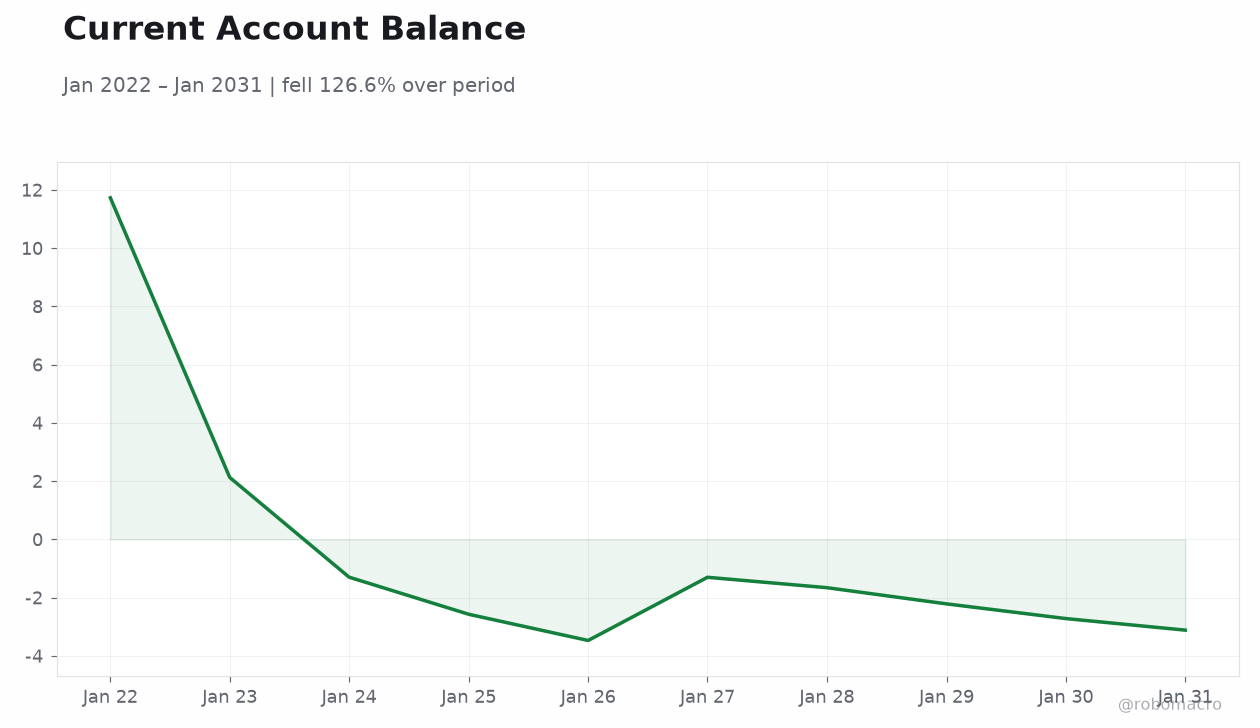
- Saudi Arabia passes SR1.39tn 2027 budget targeting growth and diversification with a $50.8bn deficit
- Brent crude falls 1.38% to $88.14 while WTI rises 1.45% amid mixed supply signals
- MSCI UAE and Qatar indices advance while Saudi equities and gold prices decline
Yesterday's Recap
Saudi Arabia approved its 2027 budget at SR1.39tn with projected revenues of $320bn and a $50.8bn deficit, underscoring continued fiscal support for Vision 2030 projects despite slower non-oil growth. Equity markets showed divergence as MSCI UAE rose 1.17% and MSCI Qatar gained 0.91% while MSCI Saudi slipped 0.37%. Saudi Aramco shares advanced 0.61% to 26.30.
Brent crude declined 1.38% to 88.14 on softer demand signals, contrasting with a 1.45% rise in WTI to 81.33. Gold dropped sharply 2.91% to 3,545 amid stronger USD moves. A Saudi-led coalition reported intercepting two drones over eastern Saudi Arabia, adding minor security tension without immediate market impact.
Kuwait's MSCI index was flat at 35.55, reflecting limited price action across the region.
The Day Ahead
No major data releases are scheduled across the GCC today. Markets will monitor any follow-up statements from Saudi officials on budget execution and diversification targets. Oil traders await OPEC+ commentary on production compliance and Iraq capacity disputes.
Regional equity flows may respond to global risk sentiment and any updates on Red Sea shipping risks. Currency peg stability remains the baseline assumption given USD strength.
Other Economic Notes
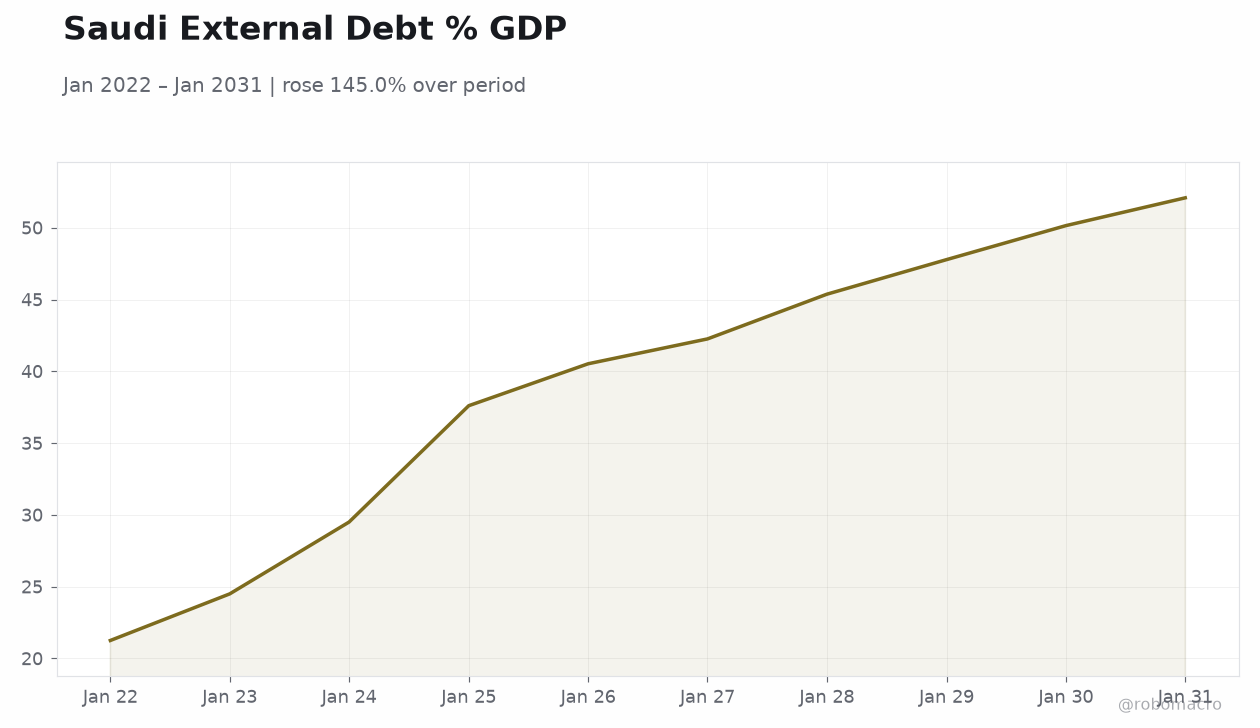
Saudi fiscal expansion supports non-oil sectors yet highlights ongoing reliance on hydrocarbon revenues for deficit financing. UAE continues to lead in knowledge economy metrics and ICT rankings, aiding its diversification edge. Broader GCC equity performance reflects selective foreign inflows into UAE and Qatar amid Saudi budget focus.
Sovereign credit profiles stay anchored by large FX reserves despite projected deficits.
Global Macro News
Global oil markets remain sensitive to US-China trade signals and potential LNG export shifts under new US policy. Gold's sharp decline signals reduced safe-haven demand as risk assets stabilize. Bitcoin fell 3.51% alongside broader crypto weakness.
Qatar's diplomatic efforts to revive US-Iran talks could ease Hormuz transit concerns if successful. ↓ p.2