Japan Macro Daily(Beta Mode)
Yen Weakness Prompts BoJ Independence Pledge
Market Snapshot
| Asset | Level | Change |
|---|---|---|
| Nikkei 225 | 68,557.73 | +1.20% |
| USD/JPY | 162.40 | +0.32% |
| EUR/JPY | 184.89 | -0.40% |
| GBP/JPY | 216.80 | +0.05% |
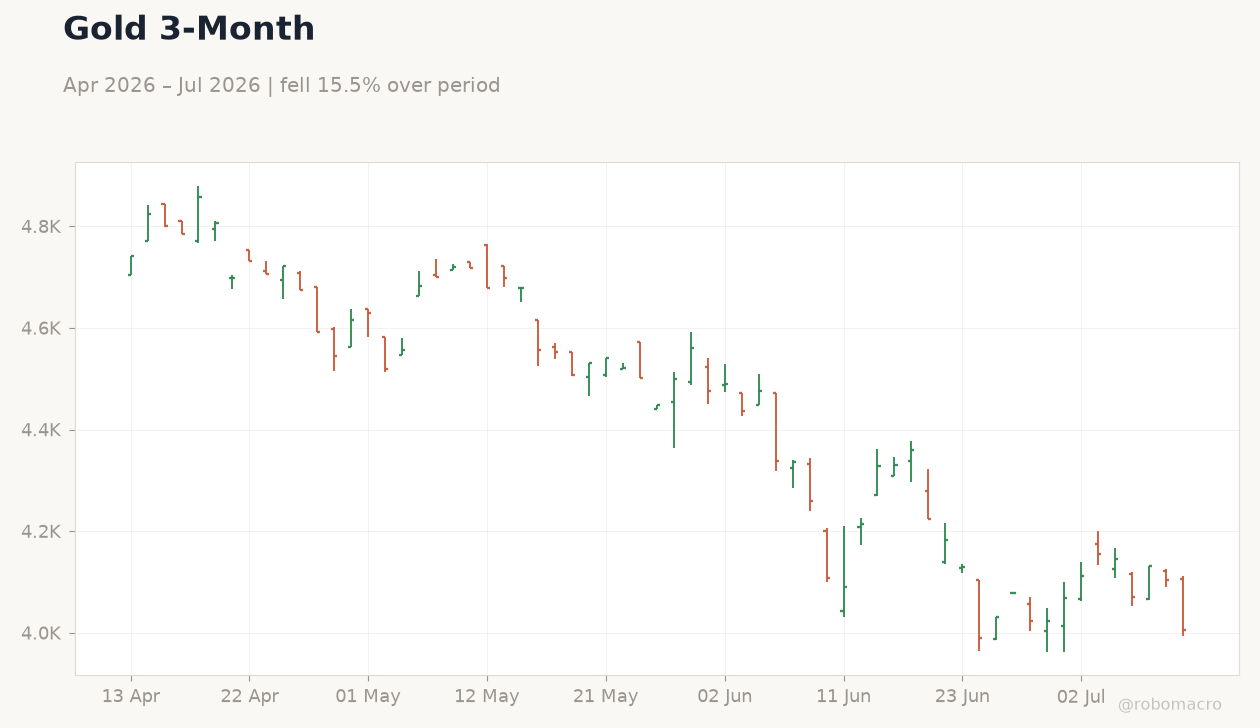
| Gold | 4,006.70 | -2.37% |
| Brent Crude | 83.36 | +9.67% |
| Bitcoin | 62,153.89 | -2.52% |
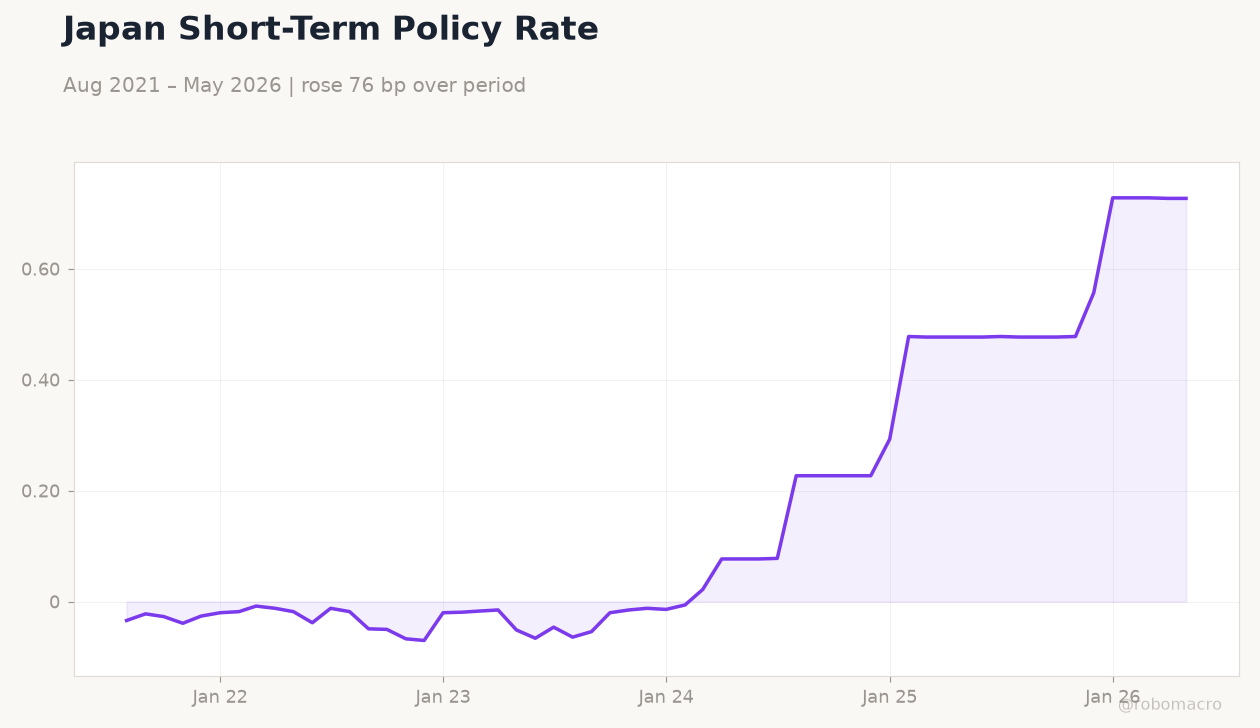
| Japan 2Y Govt Yield | 0.73% | +0.00% |
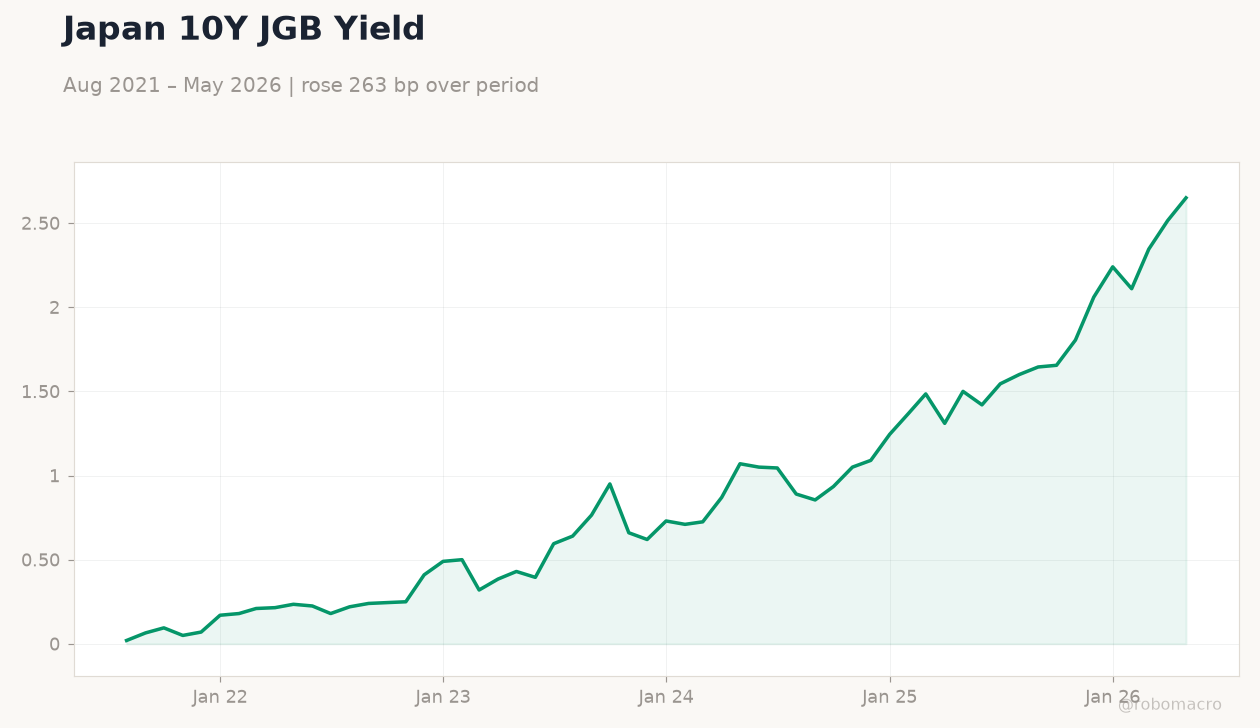
| Japan 10Y Govt Yield | 2.65% | +5.37% |
Prior Economic Events
| Data | Prior | Cons | Actual |
|---|---|---|---|
| No events available | |||
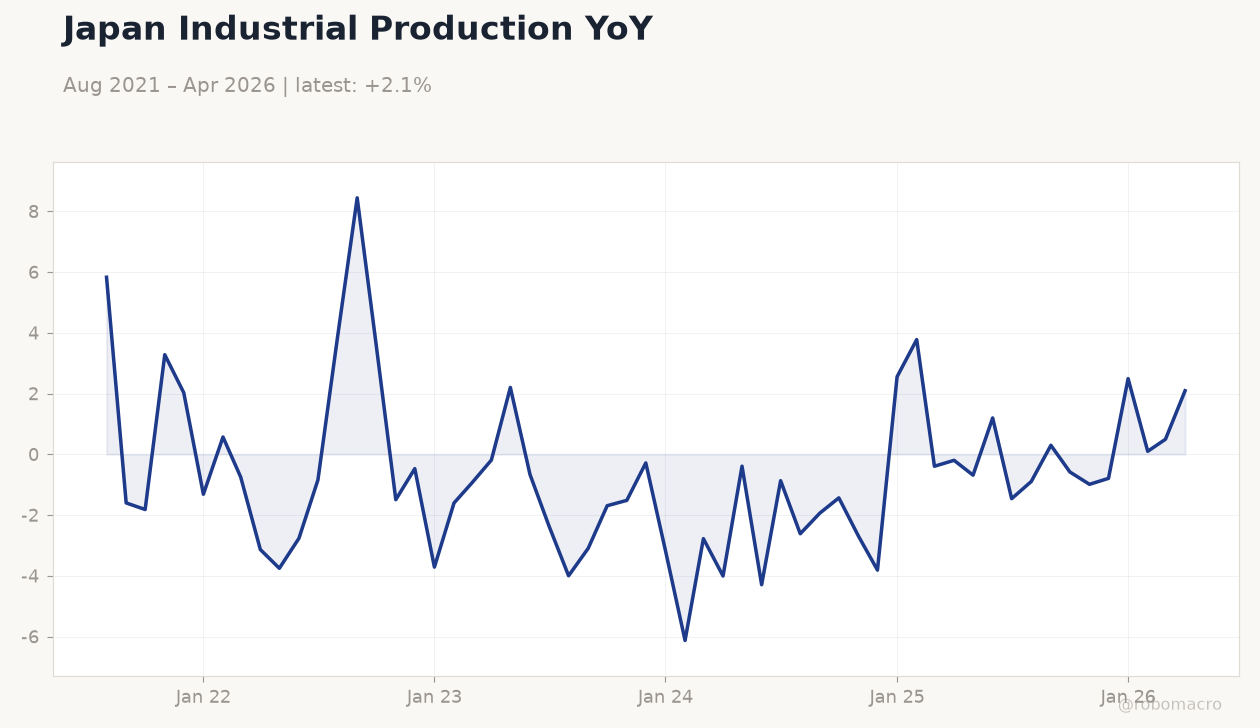 Japan Industrial Production YoY | Type: macro_line | YoY %: 2.092 (2026-04-01) | Range: -6.13–8.444 | Trend(5pt): 5.828,3.606,-0.2852,3.776,2.092
Today's Economic Events
| Data | Prior | Cons | Time |
|---|---|---|---|
| Tuesday (2026-07-14) | |||
| Machinery Orders Month-over-Month | 8.70 | -4.20 | 15:50 |
| Machinery Orders Year-over-Year | 15.60 | 12.90 | 15:50 |
- Machinery Orders expected to contract sharply in June, with MoM consensus at -4.2% after May’s 8.7% rise.
- 10-year JGB yields rose 5.37% to 2.65% while the Nikkei advanced 1.20% to 68,557.73 amid yen pressure.
- Government moved to reaffirm BoJ independence after market jitters pushed yields to multi-decade highs.
Yesterday's Recap
Japanese markets closed higher despite elevated volatility in fixed income. The Nikkei 225 gained 1.20% to 68,557.73 while USD/JPY climbed 0.32% to 162.40. The 10-year JGB yield jumped 5.37% to 2.65%, extending its recent climb toward the verified 2.76% level recorded on 10 July.
EUR/JPY fell 0.40% to 184.89 as the yen underperformed most G10 peers. No major data releases occurred on 12 July, leaving price action driven by ongoing concerns over yen depreciation and pension-fund allocation signals. Wholesale inflation data released earlier in the week showed continued upward pressure from fuel costs and currency weakness.
Market participants focused on statements from senior officials clarifying that monetary-policy details remain the sole domain of the BoJ. Officials stressed that the government would not convey any advance preference on BoJ policy settings, aiming to calm nerves after the yen’s slide and the surge in long-term yields.
The Day Ahead
Attention turns to the 15:50 release of June Machinery Orders. Consensus forecasts point to a 4.2% month-on-month decline after May’s 8.7% gain, while the year-on-year reading is expected to ease to 12.9% from 15.6%. A sharp downside surprise could reinforce views that capital spending is losing momentum amid higher borrowing costs.
No other tier-one indicators are scheduled. Traders will also monitor any follow-up comments from the Ministry of Finance on pension-fund guidance issued last week. The data will feed directly into assessments of whether the current policy-rate setting of 0.73% remains appropriate given the verified 1.50% CPI print.
Markets will watch for any signs that external price pressures are feeding through to domestic demand.
Other Economic Notes
Japan’s wholesale price index reached a three-year high, driven by imported fuel and the weak yen, adding to the case for further policy normalisation. Smaller exporters are accelerating exits from China on both economic and geopolitical grounds, potentially supporting domestic investment but weighing on near-term supply chains. <i>↓ p.2</i>