Mexico Macro Daily(Beta Mode)
Peso Weakens as IPC Slips on Quiet Calendar
Market Snapshot
| Asset | Level | Change |
|---|---|---|
| IPC Bolsa | 63,497.62 | -1.12% |
| USD/MXN | 17.15 | +1.01% |
| EUR/MXN | 19.80 | +0.53% |
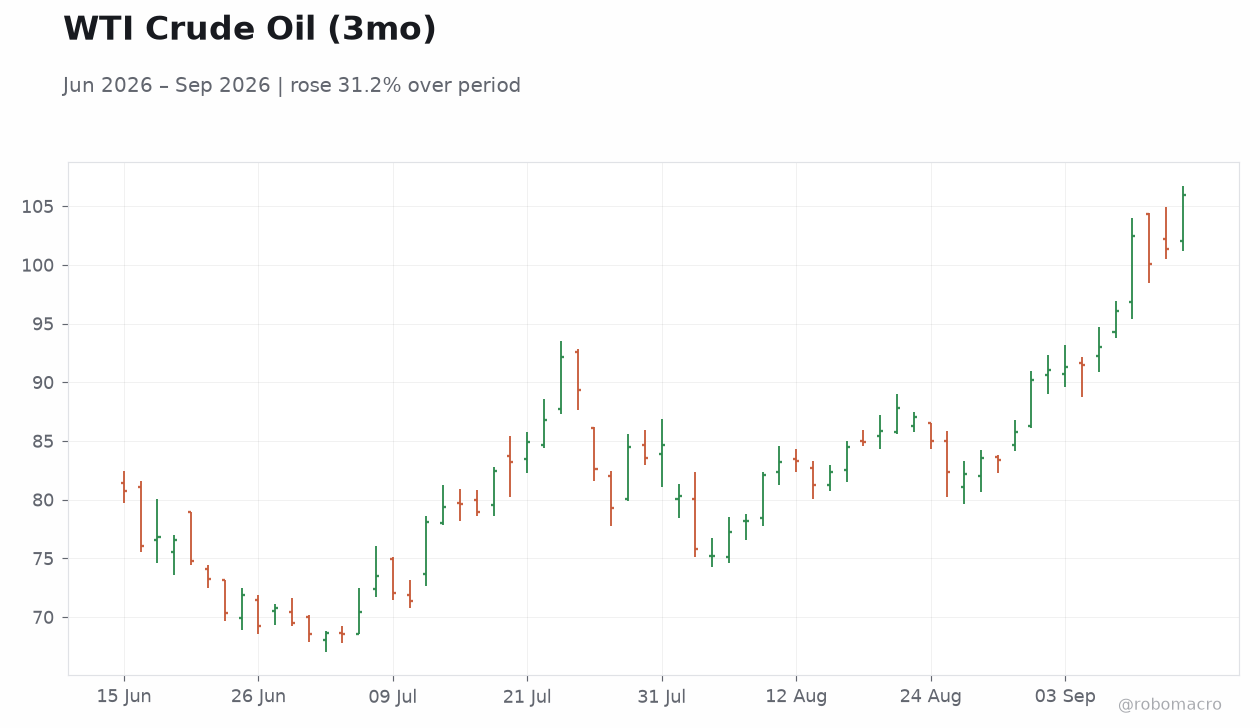
| WTI Crude | 105.87 | +4.42% |
| Silver | 64.28 | +1.21% |
| Gold | 4,346.50 | -0.12% |
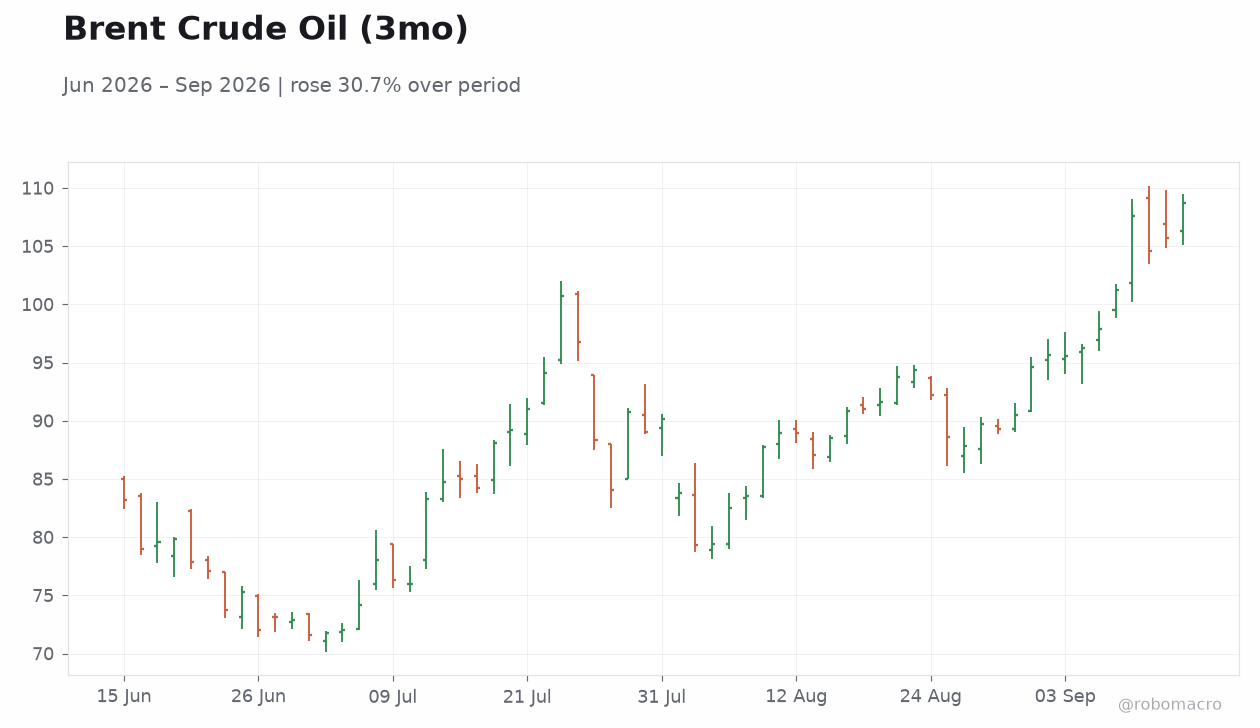
| Brent Crude | 108.67 | +2.83% |
| Bitcoin | 75,659.65 | -3.20% |
| Mexico 5Y Govt Yield | - | - |
| Mexico 10Y Govt Yield | - | - |
Prior Economic Events
| Data | Prior | Cons | Actual |
|---|---|---|---|
| No events available | |||
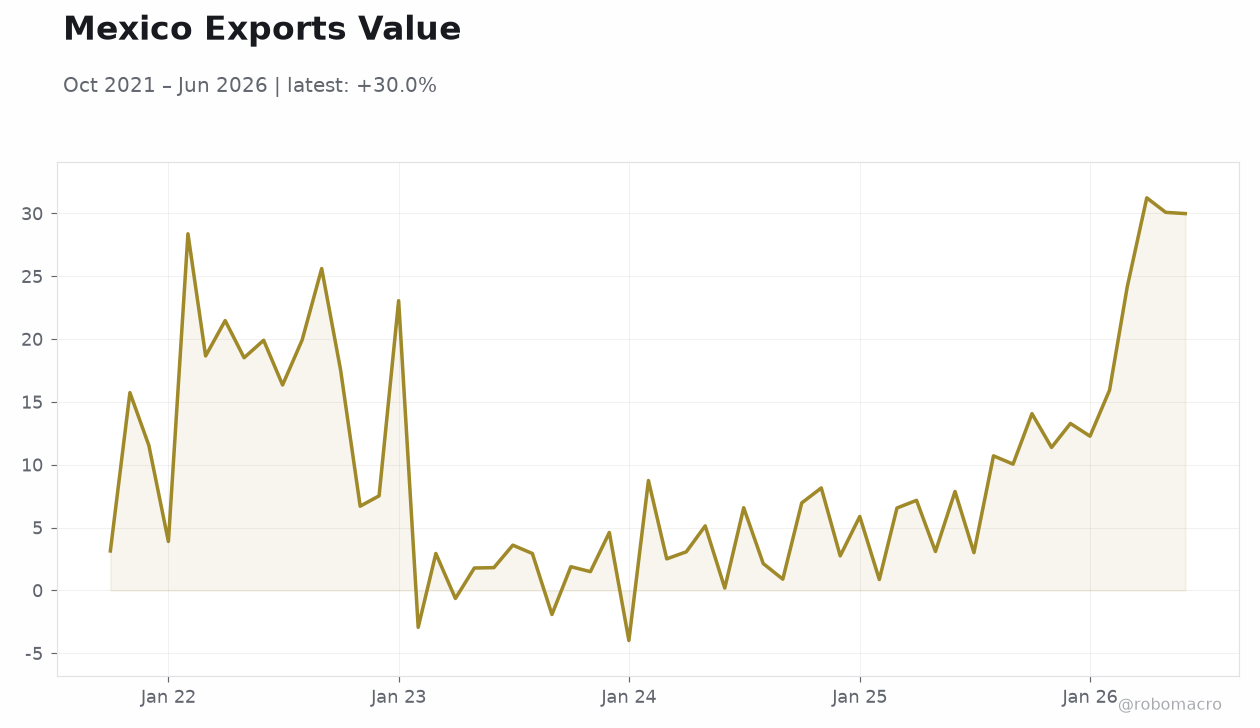 Mexico Exports Value | Type: macro_line | Exports (USD mn): 29.99 (2026-06-01) | Range: -3.983–31.24 | Trend(5pt): 3.143,7.528,8.748,7.17,29.99
Today's Economic Events
| Data | Prior | Cons | Time |
|---|---|---|---|
| No events available | |||
- IPC Bolsa falls 1.12% to 63,497.62 while USD/MXN climbs 1.01% to 17.15.
- WTI Crude jumps 4.42% to 105.87 and Brent rises 2.83% to 108.67, supporting Mexican energy exports.
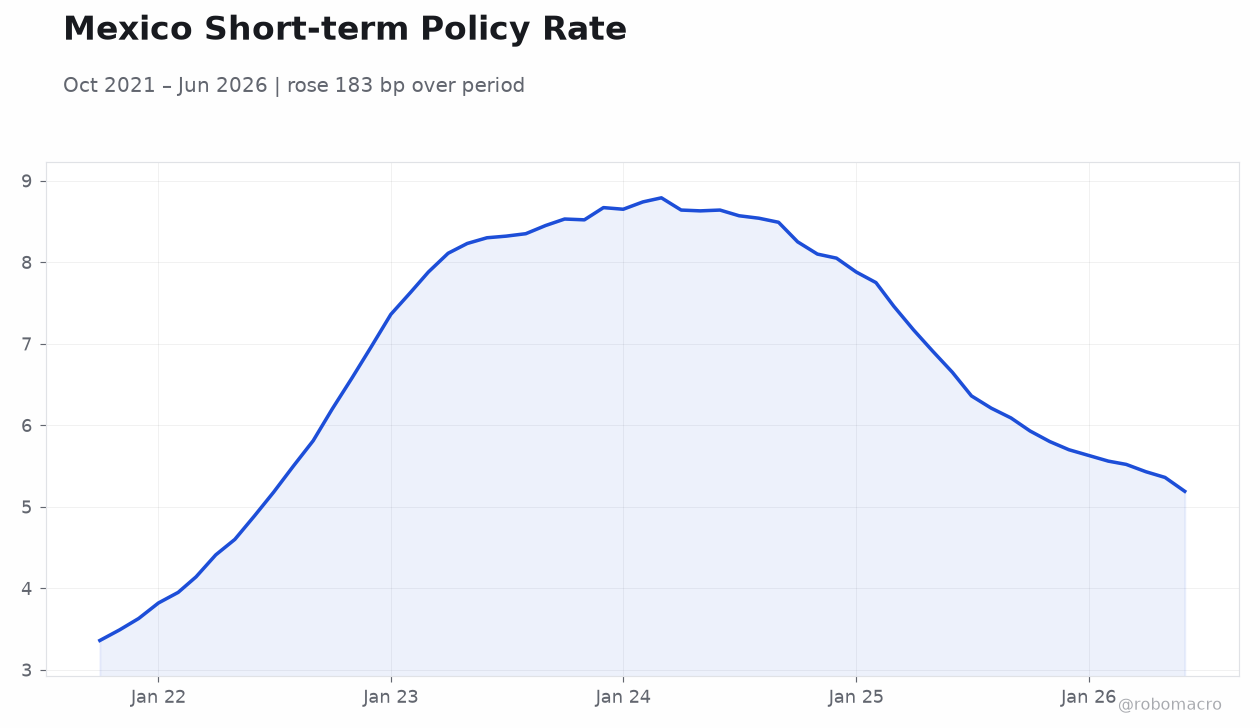
- No data releases or Banxico events occurred yesterday, leaving policy expectations anchored at the 6.50% policy rate.
Yesterday's Recap
Mexican markets closed lower on September 14 with the IPC Bolsa dropping 1.12% to 63,497.62 as investors reduced risk ahead of a data-empty period. The peso weakened, pushing USD/MXN up 1.01% to 17.15 and EUR/MXN higher by 0.53% to 19.80. Energy prices provided a partial offset, with WTI Crude surging 4.42% to 105.87 and Brent Crude advancing 2.83% to 108.67, which supports Mexico’s export revenues and fiscal accounts.
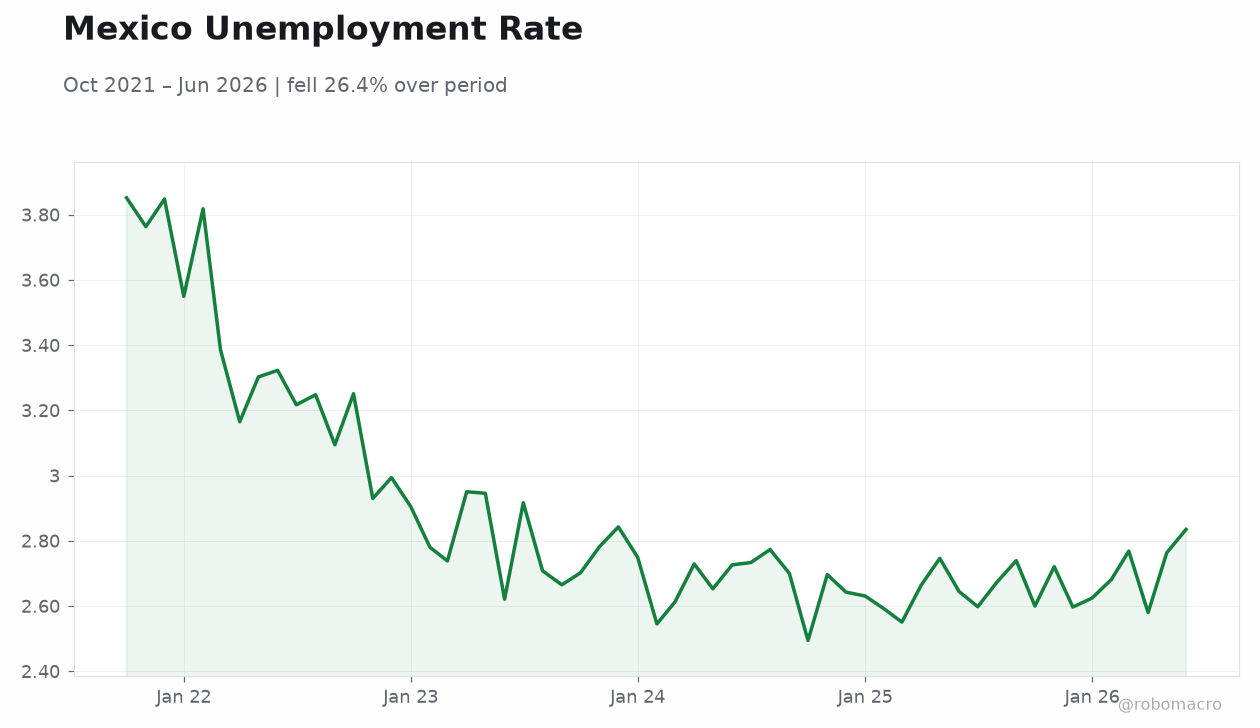
Silver gained 1.21% to 64.28 while gold edged down 0.12% to 4,346.50. Bitcoin fell 3.20% to 75,659.65, reflecting broader risk-off sentiment that also weighed on Mexican equities. No inflation prints, activity indicators or labor data were published, so consensus forecasts and Banxico rate expectations remained unchanged.
The absence of fresh information left market participants focused on external drivers and the ongoing Mexico Investment Week presentations in New York that highlighted 34 billion dollars in private-capital projects.
The Day Ahead
The economic calendar shows zero scheduled releases for September 15, eliminating any immediate data-driven volatility for Mexican assets. No Banxico speeches, minutes or policy signals are listed, keeping the focus on external developments. Market participants will monitor USMCA-related commentary and any updates from the New York investment roadshow that could affect nearshoring flows.
Oil-price movements will remain relevant given their direct impact on Mexico’s trade balance and public finances. With no domestic prints expected, peso and IPC Bolsa direction will likely track global risk sentiment and US Treasury moves. Investors should watch for any follow-up statements from the Secretaría de Economía on the 34 billion dollars in projects discussed earlier this week.
Other Economic Notes
Mexico continues to promote private-capital inflows through targeted roadshows, with officials emphasizing legal certainty for the 34 billion dollars in nearshoring-related commitments. Tourism faces headwinds as high-spending foreign visitors reduce beach-destination stays, prompting authorities to seek new growth drivers beyond traditional resorts. ↓ p.2