Nordics Macro Daily(Beta Mode)
Nordic Stocks Fall as Brent Surges on Iran Tensions
Market Snapshot
| Asset | Level | Change |
|---|---|---|
| OMX Stockholm 30 | 3,177.78 | -0.27% |
| Oslo Bors | 1,932.39 | -0.42% |
| OMX Copenhagen 25 | 1,871.46 | -0.46% |
| OMX Helsinki 25 | 6,175.79 | +0.14% |
| USD/SEK | 9.69 | +0.31% |
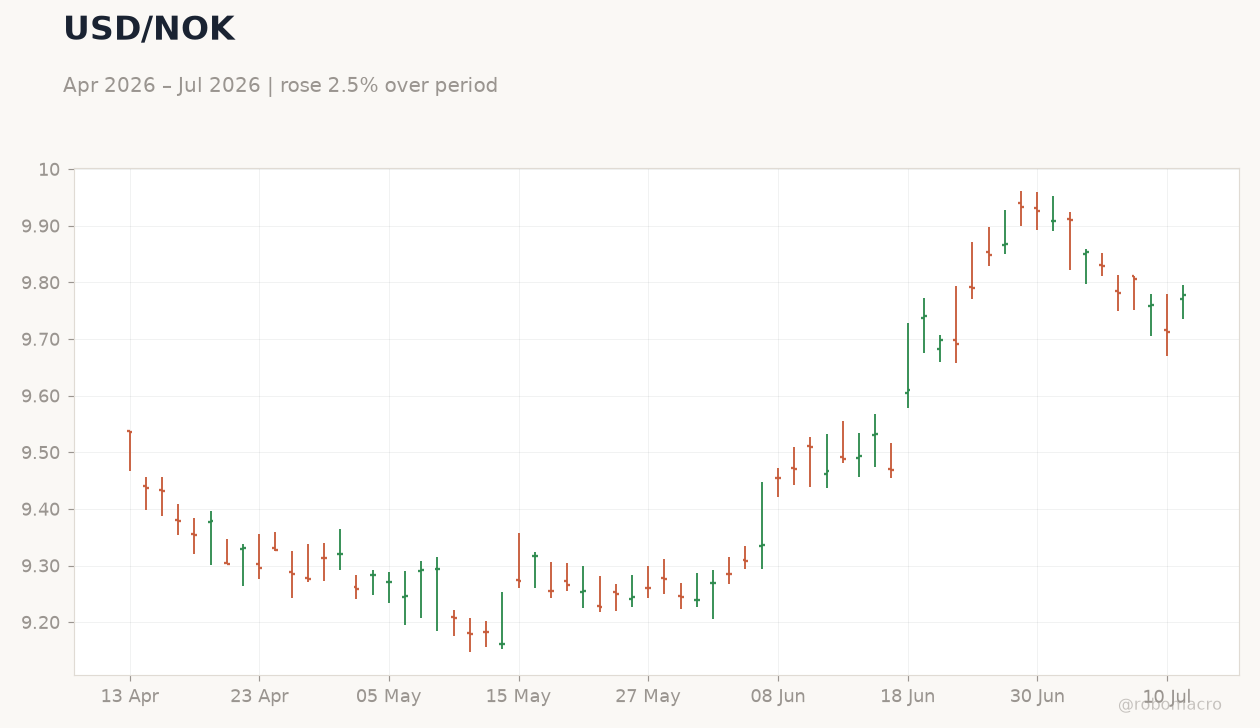
| USD/NOK | 9.78 | +0.67% |
| EUR/SEK | 11.05 | +0.07% |
| EUR/NOK | 11.15 | +0.43% |
| Brent Crude | 79.28 | +4.30% |
| Gold | 4,065.60 | -0.94% |
| Bitcoin | 62,700.21 | -1.73% |
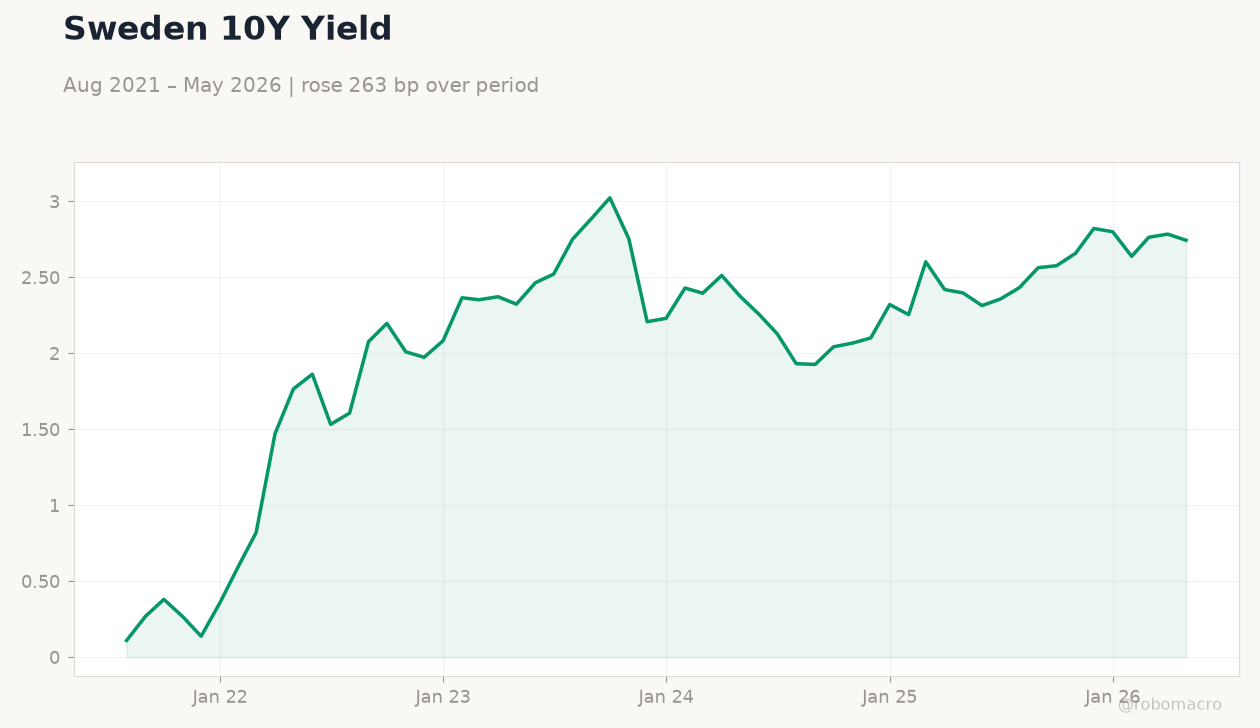
| Sweden 10Y Govt Yield | 2.74% | -1.45% |
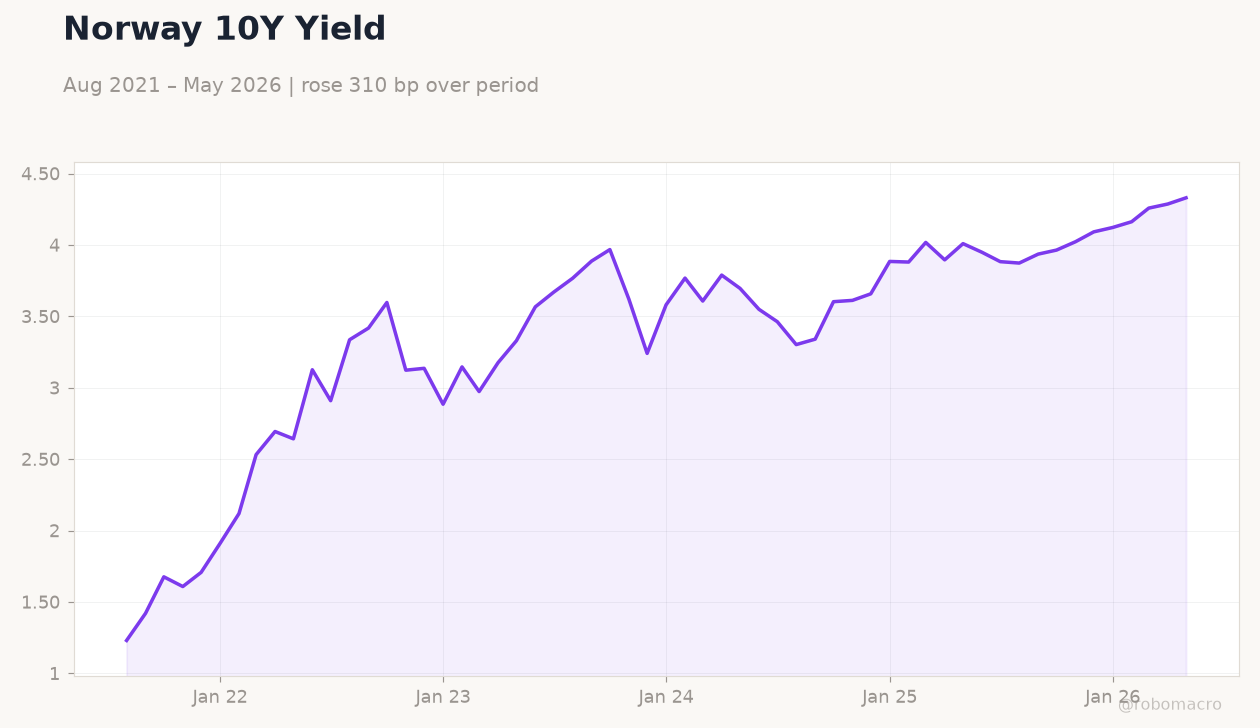
| Norway 10Y Govt Yield | 4.33% | +1.01% |
Prior Economic Events
| Data | Prior | Cons | Actual |
|---|---|---|---|
| No events available | |||
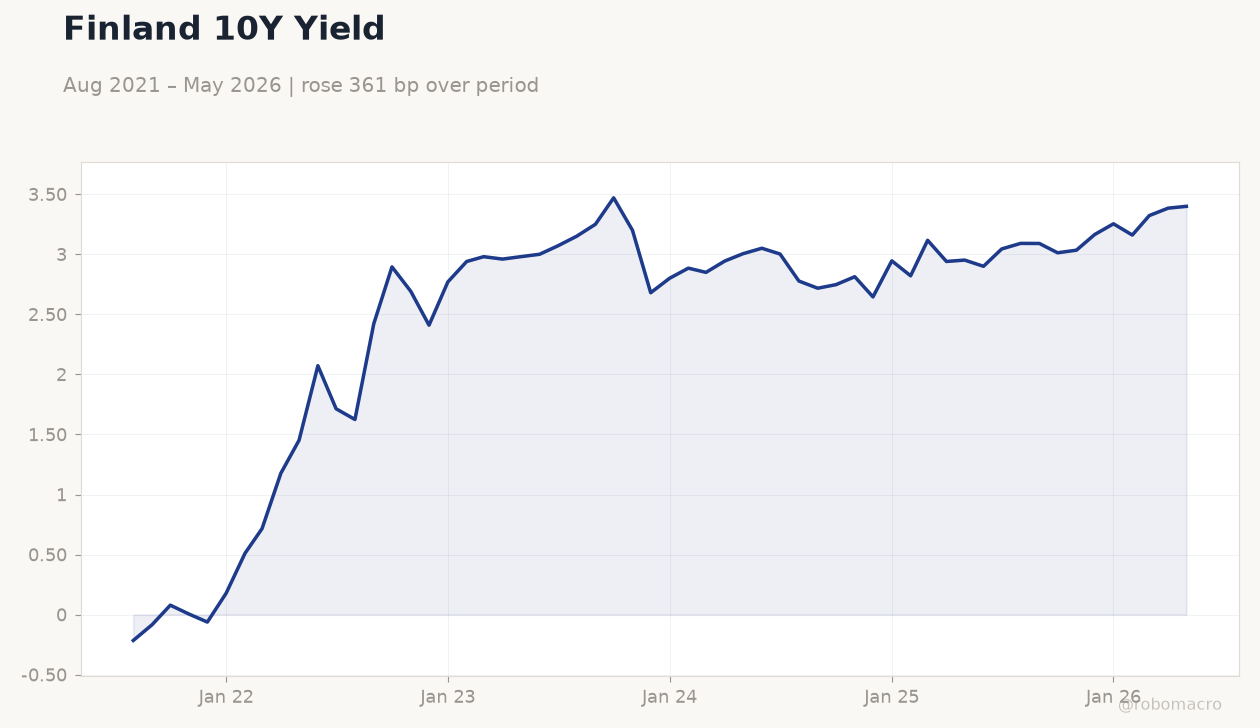 Finland 10Y Yield | Type: macro_line | %: 3.399 (2026-05-01) | Range: -0.2151–3.47 | Trend(6pt): -0.2151,2.895,2.68,2.821,3.384,3.399
Today's Economic Events
| Data | Prior | Cons | Time |
|---|---|---|---|
| No events available | |||
- Nordic equity indices closed lower except Helsinki, with OMX Stockholm 30 down 0.27% and Oslo Bors off 0.42% amid Brent gains.
- USD/SEK rose 0.31% to 9.69 and USD/NOK climbed 0.67% to 9.78 as oil prices lifted NOK support.
- Sweden 10Y yield fell 1.45% to 2.74% while Norway 10Y rose 1.01% to 4.33%, reflecting divergent rate paths.
Yesterday's Recap
Nordic equity markets posted modest losses on July 12 as investors weighed Brent crude’s 4.30% advance to 79.28 amid escalating Iran tensions. OMX Stockholm 30 declined 0.27% to 3,177.78 while Oslo Bors fell 0.42% to 1,932.39, pressured by mixed global risk sentiment. OMX Copenhagen 25 dropped 0.46% to 1,871.46, whereas OMX Helsinki 25 edged 0.14% higher to 6,175.79 on euro-area resilience.
Currency markets saw USD/SEK climb 0.31% to 9.69 and USD/NOK rise 0.67% to 9.78, with EUR/NOK up 0.43% to 11.15. Sweden’s 10-year government yield eased 1.45% to 2.74%, while Norway’s equivalent yield increased 1.01% to 4.33%. No major Nordic data releases occurred, leaving market moves driven by external oil and geopolitical factors.
Denmark and Finland recorded limited local activity, with attention centered on broader euro-area developments.
The Day Ahead
Tomorrow features no scheduled Nordic economic releases across Sweden, Norway, Denmark or Finland, keeping focus on external drivers. Markets will monitor Brent crude volatility given its direct impact on Norway’s fiscal balance and krone valuation. Swedish and Danish exporters remain sensitive to any shifts in euro-area growth signals or ECB commentary.
Helsinki trading will track eurozone inflation prints due later in the week. Overall, thin domestic calendars suggest limited local volatility unless global oil or geopolitical headlines intensify.
Other Economic Notes
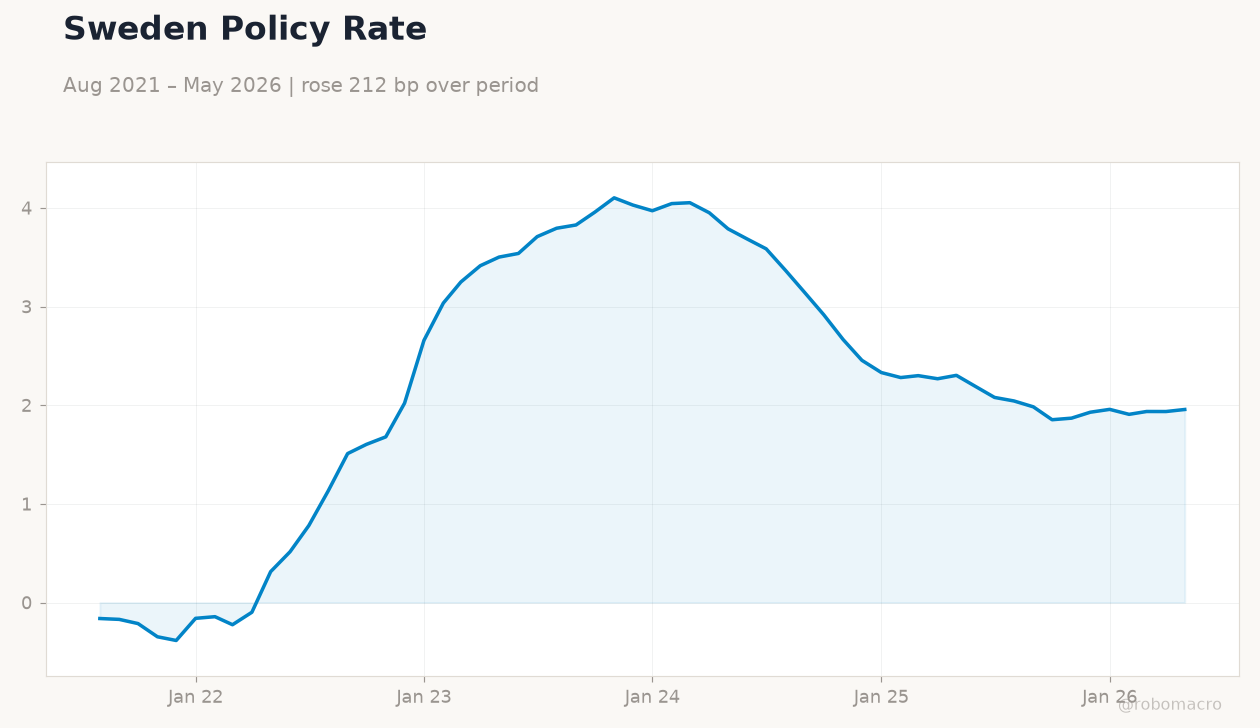
Sweden’s verified June CPI at 0.70% year-over-year underscores contained price pressures that support Riksbank easing considerations. Norway’s corresponding 2.70% reading highlights persistent inflation that may delay Norges Bank cuts despite softer growth signals. Export-oriented manufacturing in Sweden and Denmark continues to face headwinds from global demand uncertainty, while Finland’s eurozone membership ties its outlook directly to ECB policy.
Housing markets in Sweden show tentative stabilization, though credit conditions remain tight. Norway’s oil revenue windfall from elevated Brent prices bolsters its sovereign fund and limits krone depreciation risks.