Nordics Macro Daily(Beta Mode)
Riksbank Revives E-Krona Review on Digital Risks
Market Snapshot
| Asset | Level | Change |
|---|---|---|
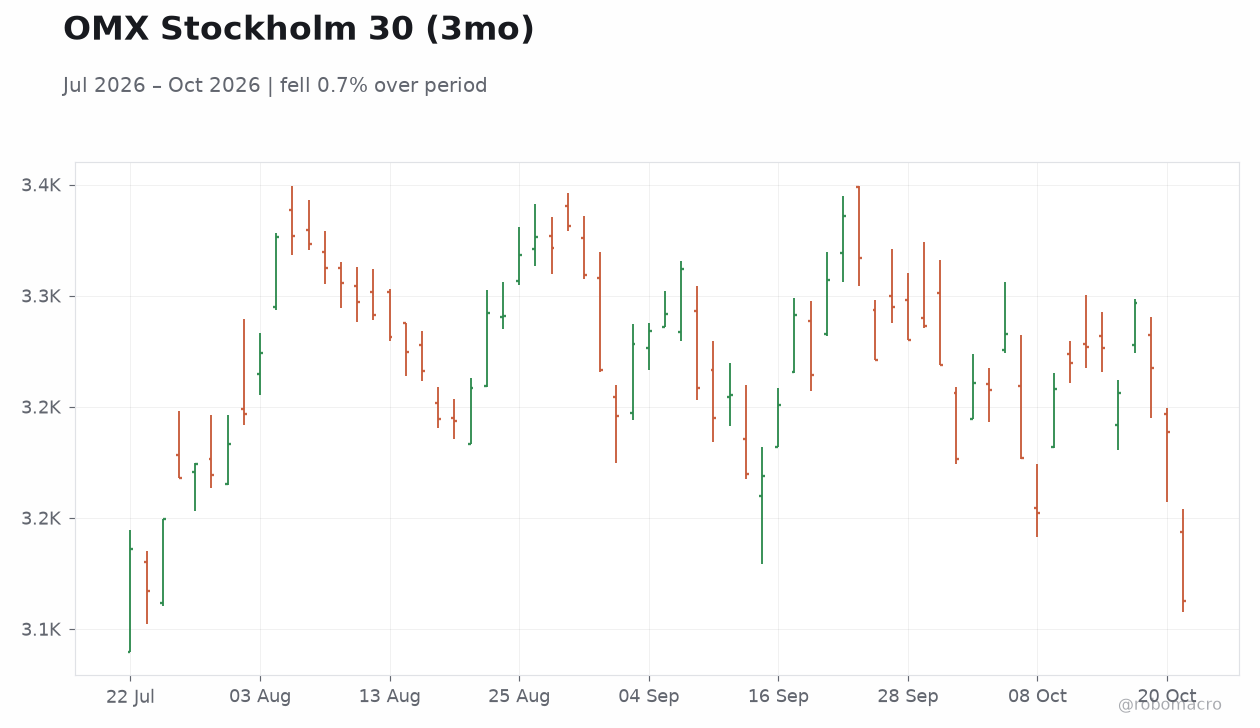
| OMX Stockholm 30 | 3,162.78 | -2.34% |
| Oslo Bors | 2,085.66 | -0.20% |
| OMX Copenhagen 25 | 1,893.41 | +1.93% |
| OMX Helsinki 25 | 6,200.85 | -0.81% |
| USD/SEK | 9.92 | +0.29% |
| USD/NOK | 9.33 | -0.35% |
| EUR/SEK | 11.12 | +0.07% |
| EUR/NOK | 10.46 | -0.57% |
| Brent Crude | 113.83 | +0.58% |
| Gold | 4,022.10 | -0.94% |
| Bitcoin | 81,691.18 | -2.76% |
| Sweden 10Y Govt Yield | 3.18% | 0 bp |
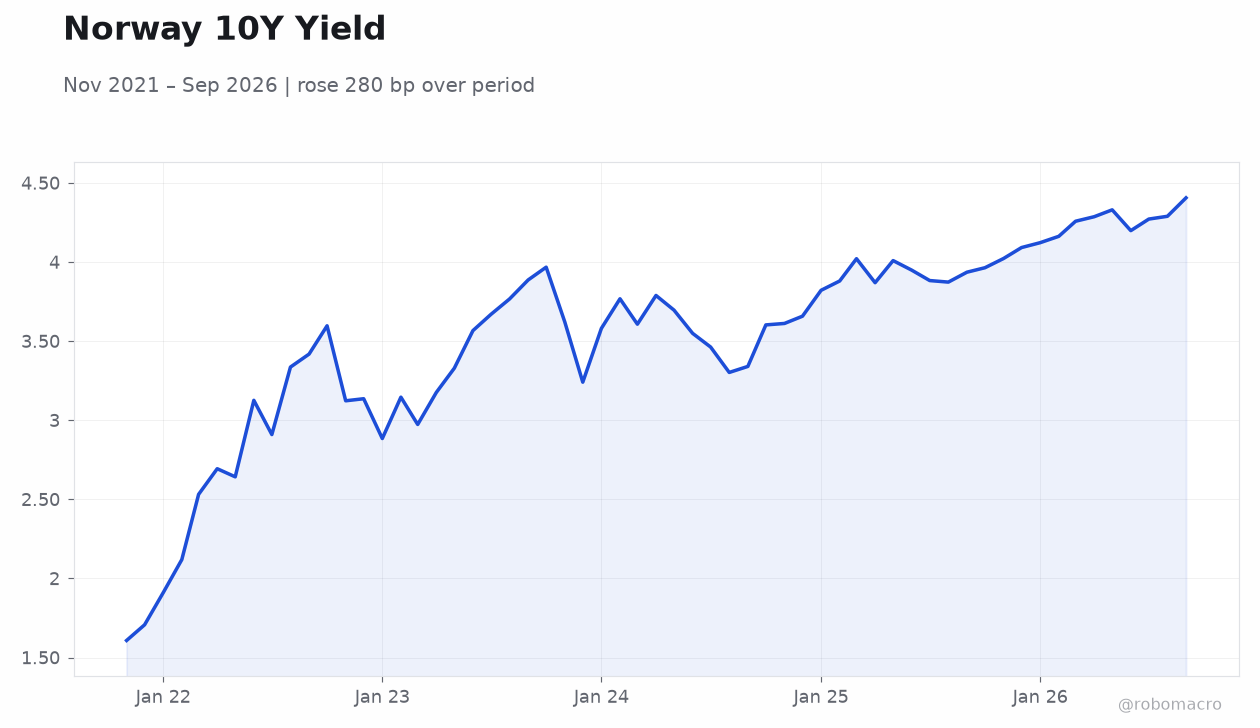
| Norway 10Y Govt Yield | - | - |
Prior Economic Events
| Data | Prior | Cons | Actual |
|---|---|---|---|
| No events available | |||
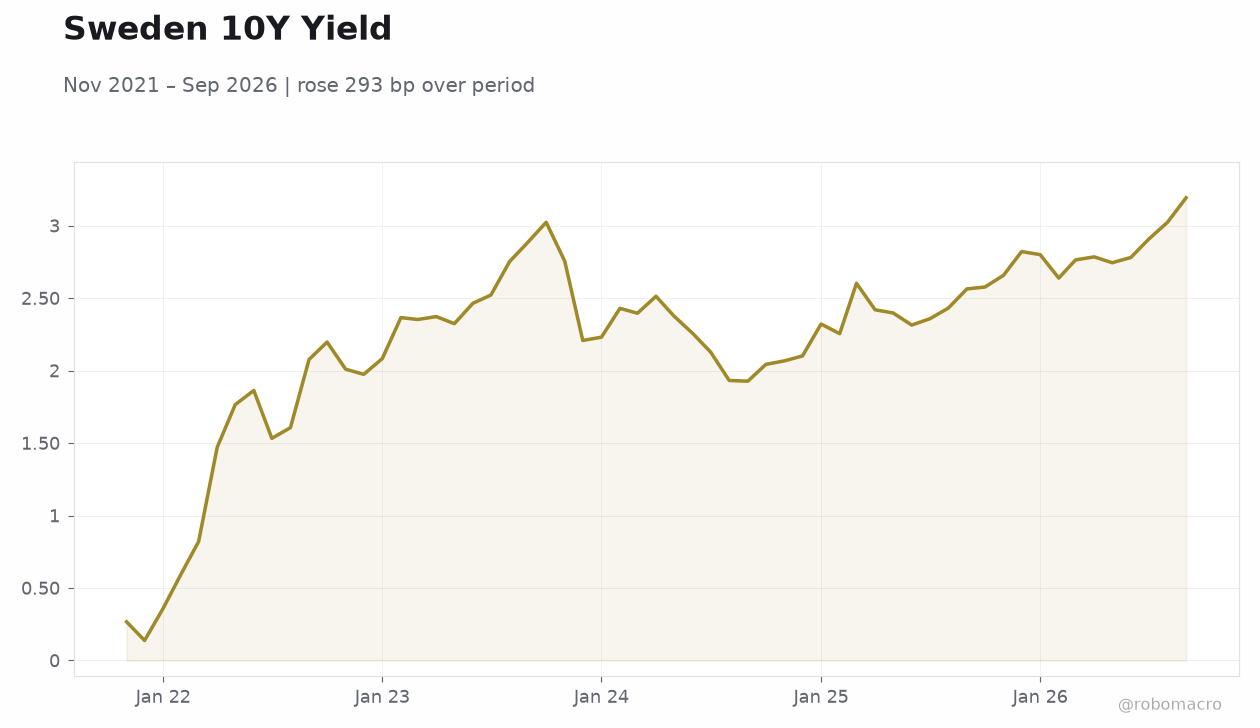 Sweden 10Y Yield | Type: macro_line | Sweden 10Y %: 3.192 (2026-09-01) | Range: 0.138–3.192 | Trend(6pt): 0.2667,2.083,2.396,2.398,2.908,3.192
Today's Economic Events
| Data | Prior | Cons | Time |
|---|---|---|---|
| No events available | |||
- OMX Stockholm 30 fell 2.34% while OMX Copenhagen 25 rose 1.93% on divergent Nordic equity moves.
- Sweden 10-year yield held at 3.18% with no change; Brent crude edged up 0.58% to 113.83.
- Riksbank signals renewed focus on e-krona as digital euro and stablecoin pressures mount.
Yesterday's Recap
Nordic equity markets showed clear divergence with the OMX Stockholm 30 declining 2.34% to 3,162.78 while the OMX Copenhagen 25 advanced 1.93% to 1,893.41. The Oslo Bors eased 0.20% to 2,085.66 and the OMX Helsinki 25 slipped 0.81% to 6,200.85. The Swedish krona weakened modestly as USD/SEK rose 0.29% to 9.92 and EUR/SEK added 0.07% to 11.12.
In contrast the Norwegian krone strengthened with USD/NOK falling 0.35% to 9.33 and EUR/NOK declining 0.57% to 10.46. Sweden’s 10-year government yield remained unchanged at 3.18%. Riksbank deputy governor Per Jansson highlighted risks from rising demand combined with supply constraints that could sustain inflation pressures.
Sweden also revived its e-krona project citing growing threats from the digital euro and stablecoins. Norway’s sovereign wealth fund reported a $30 billion third-quarter loss reflecting broader market volatility.
The Day Ahead
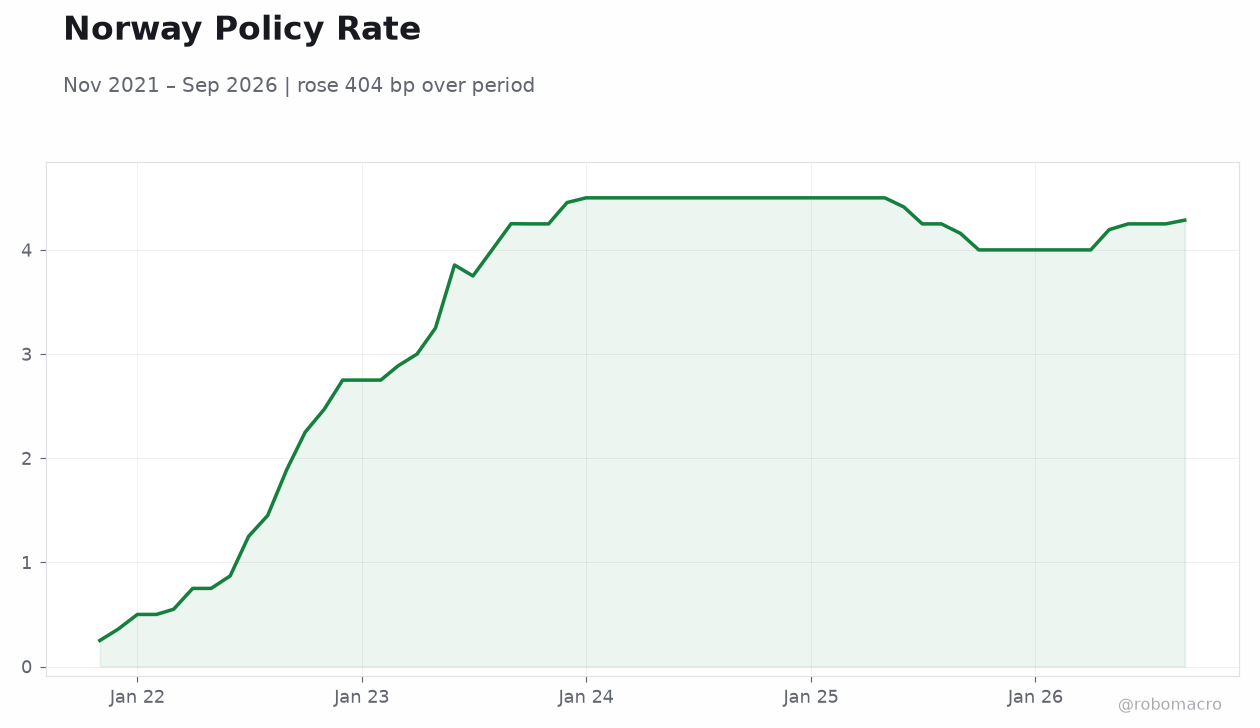
No major data releases are scheduled across the Nordic region for the coming session leaving markets to focus on ongoing central bank commentary. Sweden’s inflation print at 1.50% year-on-year continues to anchor expectations around Riksbank policy settings. Norway’s CPI at 3.30% year-on-year remains the key reference for Norges Bank’s inflation outlook amid elevated Brent prices.
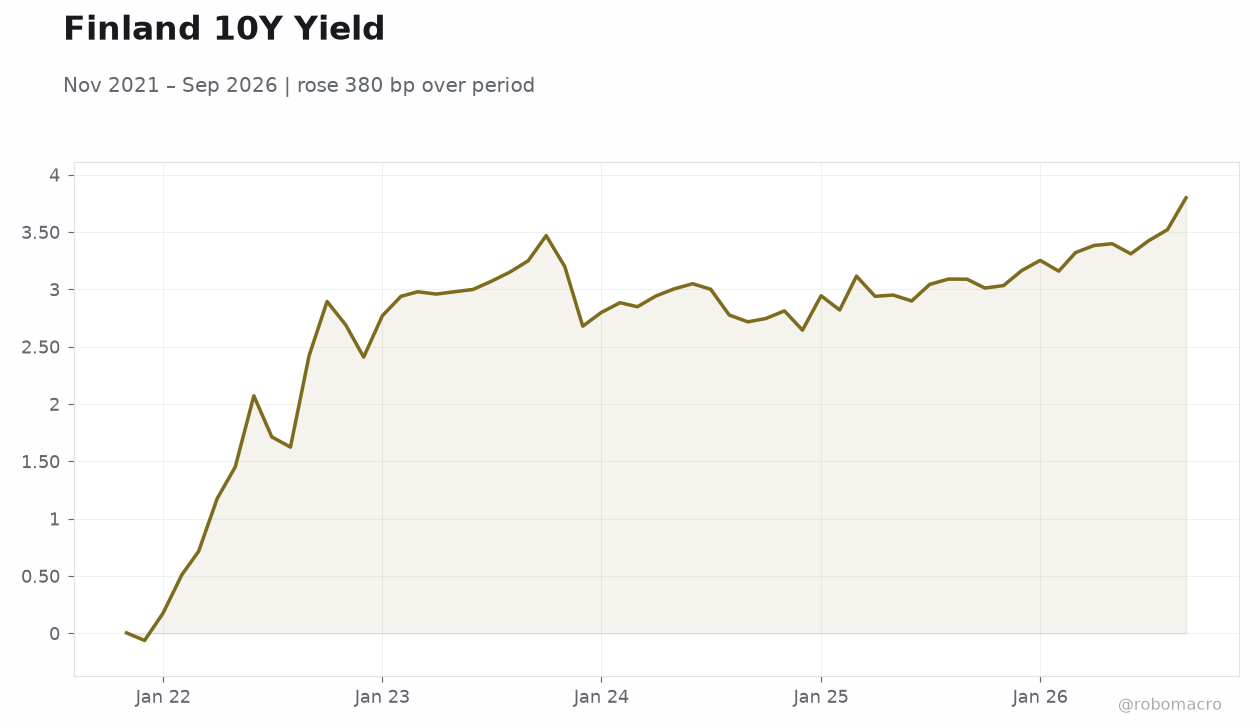
Denmark and Finland will track ECB signals given the euro peg and direct eurozone membership respectively. Investors will monitor any further statements from Riksbank officials on digital currency developments and wage formation. Equity and FX flows are likely to remain sensitive to global bond yield movements.
Other Economic Notes
Sweden’s low inflation reading at 1.50% year-on-year supports a cautious Riksbank stance while export-oriented manufacturing faces headwinds from softer external demand. Norway benefits from Brent crude near 113.83 which bolsters fiscal revenues and supports the krone despite the sovereign wealth fund’s quarterly loss. Denmark’s manufacturing sector remains tied to euro-area cycles through the ERM II peg with limited independent monetary flexibility.
Finland’s eurozone membership means ECB policy directly shapes its borrowing costs and inflation trajectory. Housing markets across Sweden continue to show subdued activity consistent with the stable 3.18% 10-year yield environment.