Nordics Macro Daily(Beta Mode)
Nordic Equities Rally as Krona, Krone Strengthen
Market Snapshot
| Asset | Level | Change |
|---|---|---|
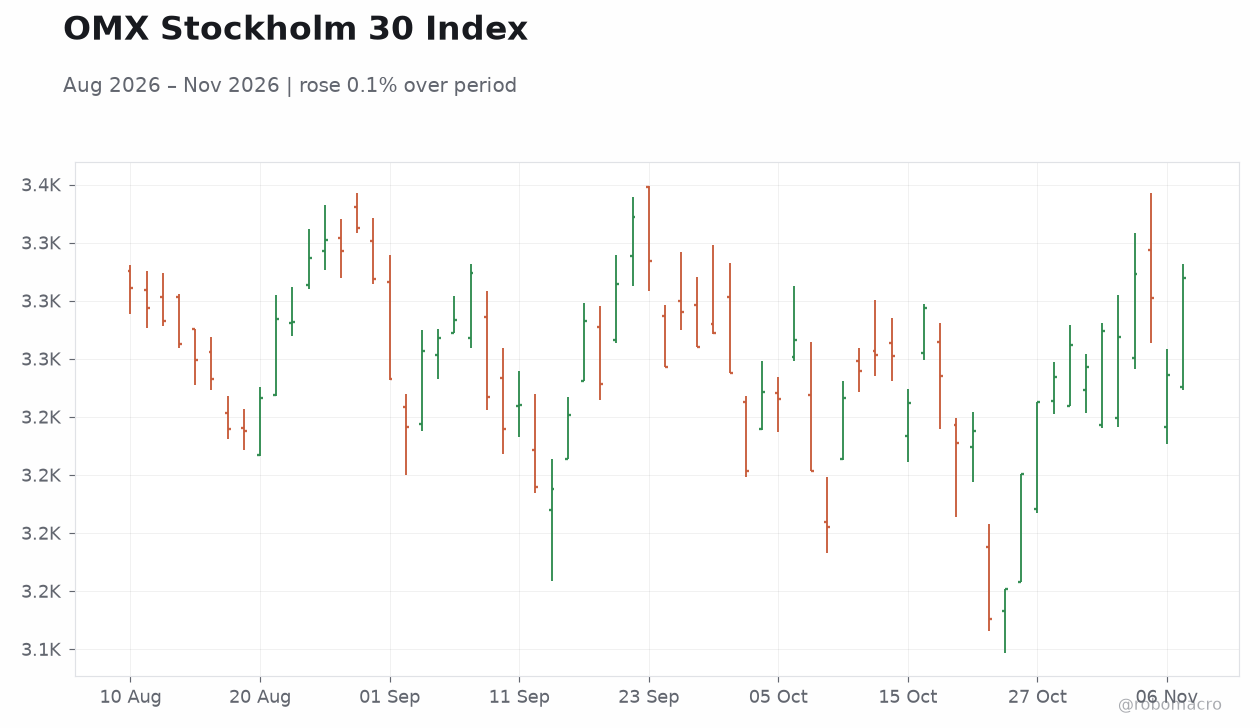
| OMX Stockholm 30 | 3,309.85 | +1.28% |
| Oslo Bors | 2,079.52 | +1.27% |
| OMX Copenhagen 25 | 2,018.22 | +0.46% |
| OMX Helsinki 25 | 6,278.95 | +0.92% |
| USD/SEK | 9.79 | -1.05% |
| USD/NOK | 9.39 | -0.73% |
| EUR/SEK | 10.99 | -0.30% |
| EUR/NOK | 10.55 | +0.02% |
| Brent Crude | 91.61 | -1.04% |
| Gold | 4,131.20 | +0.41% |
| Bitcoin | 74,562.52 | -0.03% |
| Sweden 10Y Govt Yield | 2.97% | -1 bp |
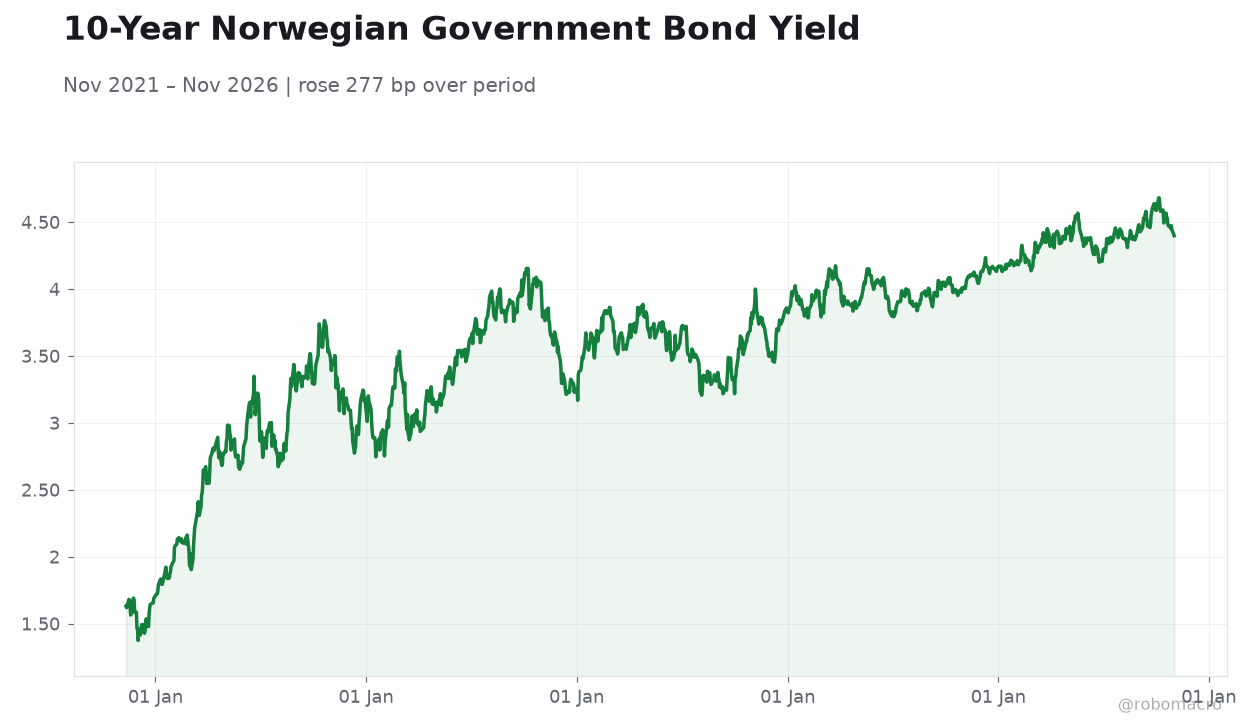
| Norway 10Y Govt Yield | - | - |
Prior Economic Events
| Data | Prior | Cons | Actual |
|---|---|---|---|
| No events available | |||
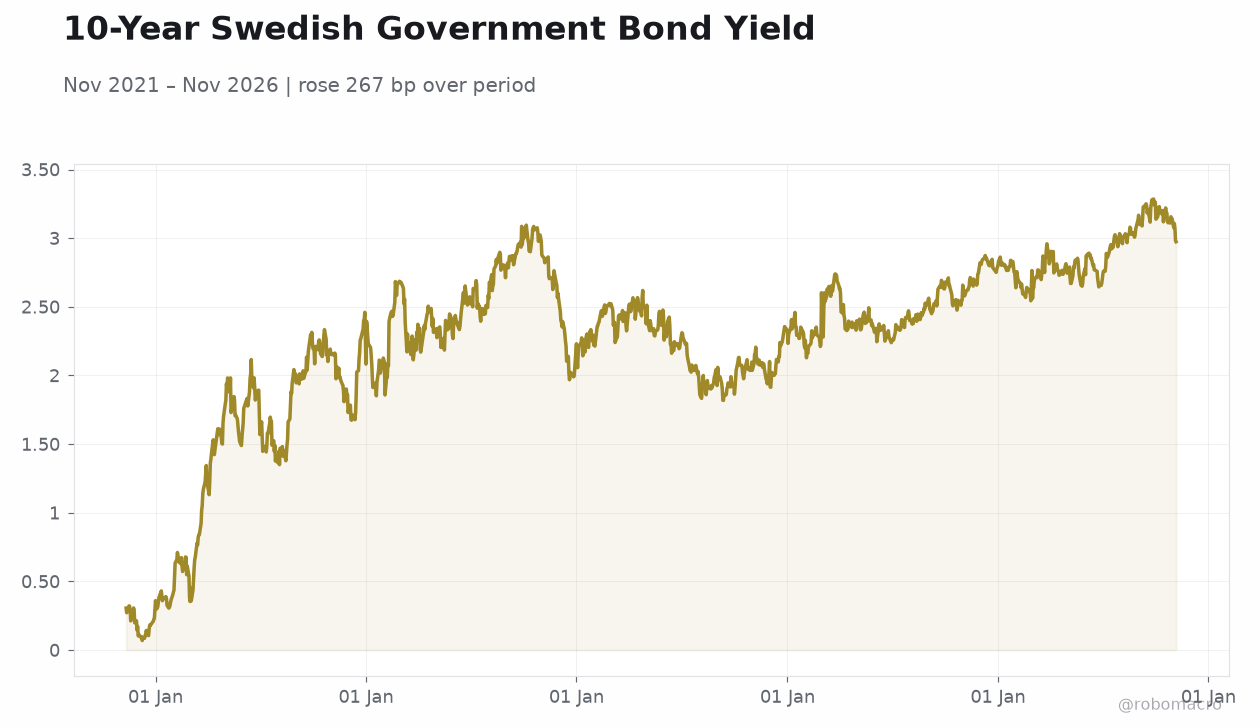 10-Year Swedish Government Bond Yield | Type: macro_line | 10-Year Swedish Government Bond Yield: 2.974 (2026-11-06) | Range: 0.06946–3.285 | Trend(6pt): 0.306,2.071,2.399,2.377,3.073,2.974
Today's Economic Events
| Data | Prior | Cons | Time |
|---|---|---|---|
| No events available | |||
- Nordic bourses posted broad gains Monday, with OMX Stockholm 30 up 1.28% and Oslo Bors up 1.27% as USD/SEK fell 1.05% to 9.79 and USD/NOK dropped 0.73% to 9.39.
- Sweden's 10-year government yield eased 1 bp to 2.97%, extending the post-Riksbank move after the November 4 decision to raise the policy rate 25 bp to 2.00%.
- Brent crude slipped 1.04% to $91.61, a modest headwind for Norwegian fiscal revenue, while gold firmed 0.41% to $4,131.20.
Yesterday's Recap
Nordic equity markets opened the week on a firm footing, with Sweden's OMX Stockholm 30 gaining 1.28% to 3,309.85 and Norway's Oslo Bors rising 1.27% to 2,079.52. Denmark's OMX Copenhagen 25 lagged at +0.46% to 2,018.22, while Finland's OMX Helsinki 25 added 0.92% to 6,278.95. FX markets drove the story: USD/SEK fell 1.05% to 9.79 and USD/NOK declined 0.73% to 9.39, reflecting broad dollar softness rather than idiosyncratic Nordic flows.
EUR/SEK slipped 0.30% to 10.99 while EUR/NOK was essentially flat at 10.55. Swedish rates continued to grind lower, with the 10-year government yield easing 1 bp to 2.97% as of the November 6 close, following the Riksbank's November 4 decision to raise the policy rate 25 bp to 2.00%, effective November 11. In Norway, economists cited by E24 suggested the Norges Bank tightening cycle has peaked, though the central bank remains watchful for upside inflation surprises after holding at 4.50% on November 5.
The Day Ahead
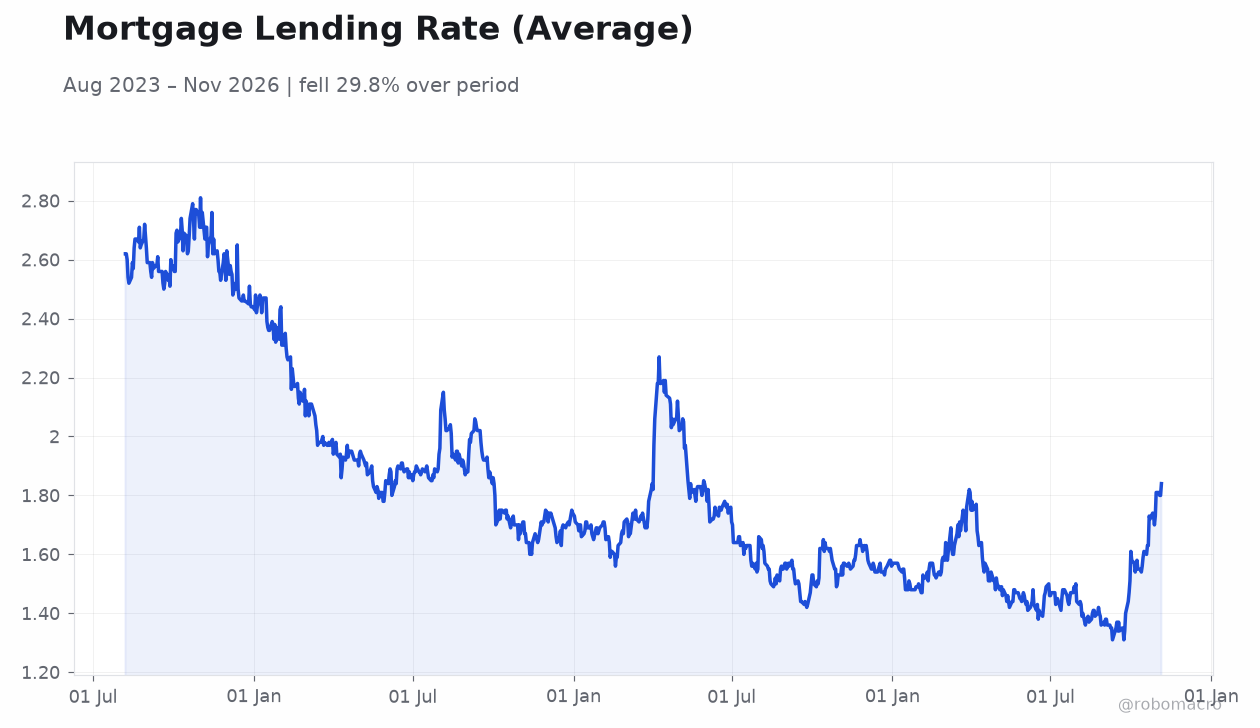
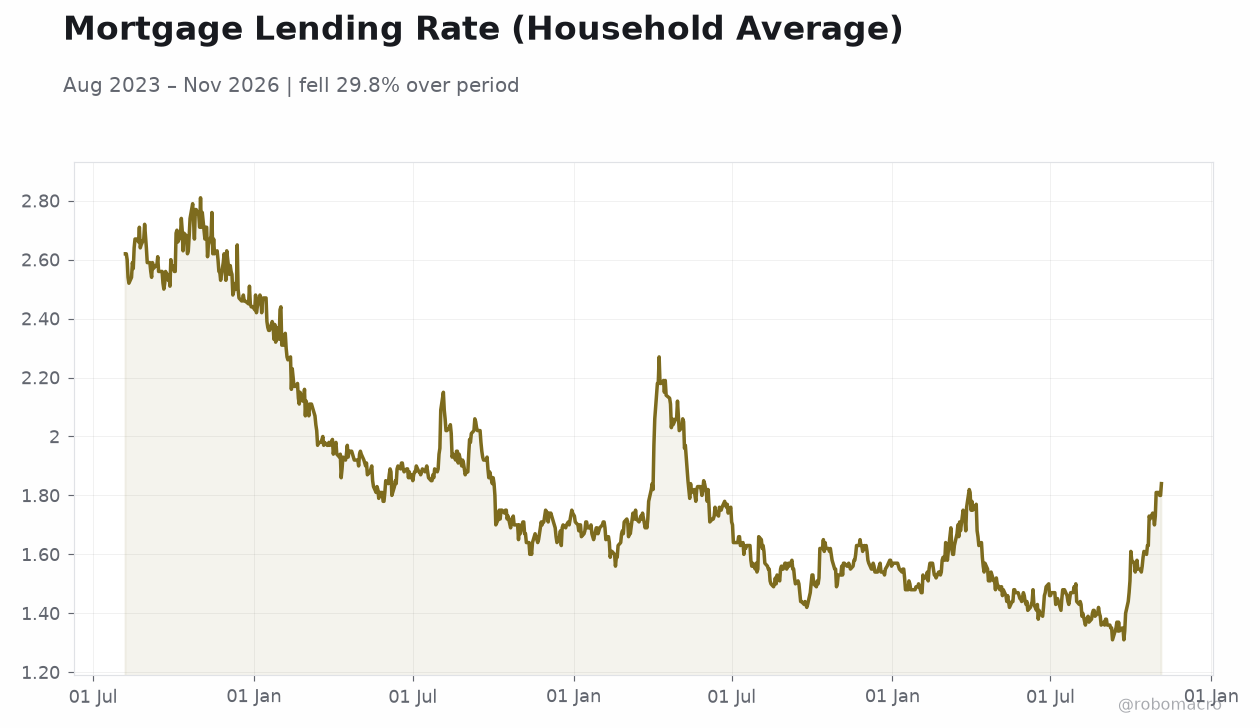
The Nordic calendar is light on Tuesday, November 10, with no scheduled top-tier releases across Sweden, Norway, Denmark, or Finland. Market attention instead turns to the ripple effects of the Riksbank's November 4 hike and the Norges Bank's November 5 hold, both of which are still being priced into front-end rates. Swedish mortgage pricing remains in focus after the Riksbank's move, with lenders expected to adjust fixed-term offerings in coming sessions.
Norwegian electricity markets bear watching as colder weather lifts household demand and sharpens scrutiny of power pricing. Danish and Finnish markets will likely take their cue from euro-area rate expectations and ECB communication, given the krone's ERM II peg and Finland's direct euro membership.
Other Economic Notes
Sweden's inflation backdrop remains subdued, with CPI at 1.10% year-on-year as of October 31, well below the Riksbank's target even as policymakers lifted the policy rate to 2.00%. Norway's CPI stands at 3.38% year-on-year as of September 30, still above the Norges Bank's objective and the core justification for keeping the policy rate at 4.50%. The divergence is stark: Sweden is tightening from a low base while Norway holds at a restrictive level, and both face weakening growth momentum into year-end.
↓ p.2