Rand Firms Ahead of Medium-Term Budget
JSE Top 40103,230.20+0.82%
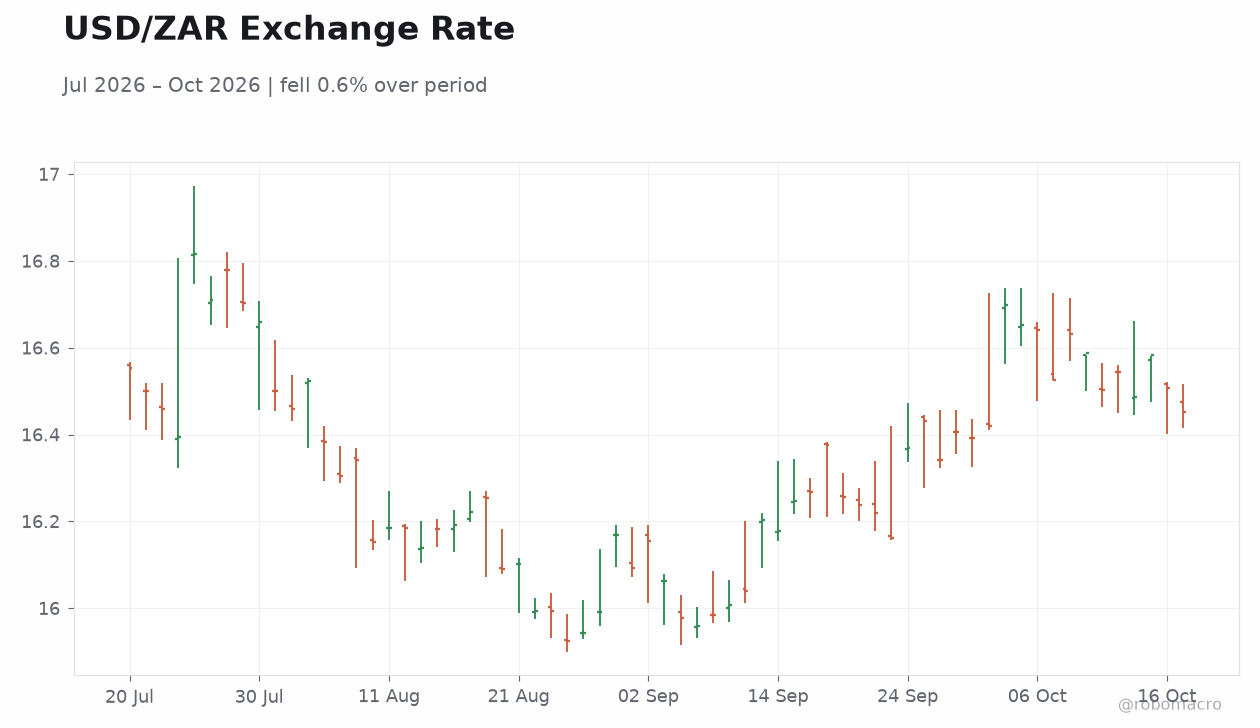
USD/ZAR16.45-0.35%
EUR/ZAR18.47-0.23%
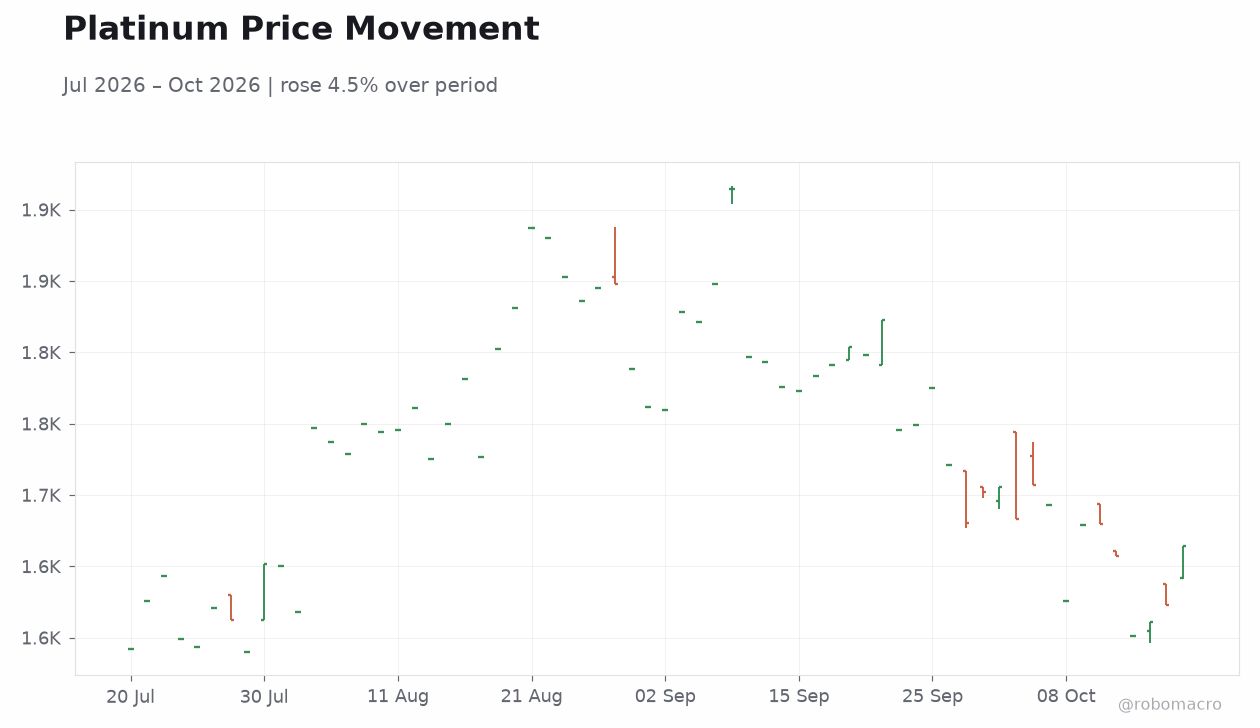
Platinum1,663.10+2.45%
Market Snapshot
| Asset | Level | Change |
|---|
| JSE Top 40 | 103,230.20 | +0.82% |
| USD/ZAR | 16.45 | -0.35% |
| EUR/ZAR | 18.47 | -0.23% |
| Platinum | 1,663.10 | +2.45% |
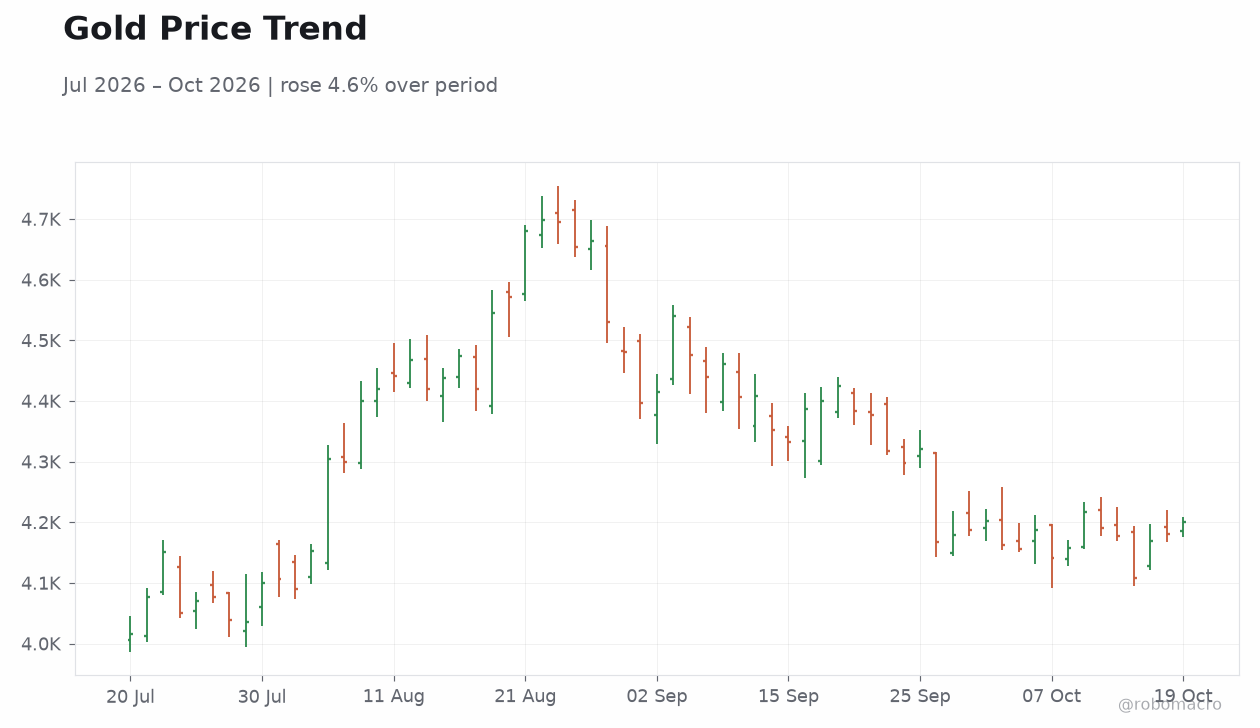
| Gold | 4,199.30 | +0.44% |
| Brent Crude | 107.86 | -1.82% |
| Naspers | 72,065.00 | +0.25% |
| Bitcoin | 82,430.15 | +1.29% |
| South Africa 5Y Govt Yield | - | - |
| South Africa 10Y Govt Yield | - | - |
Prior Economic Events
| Data |
Prior |
Cons |
Actual |
| No events available |
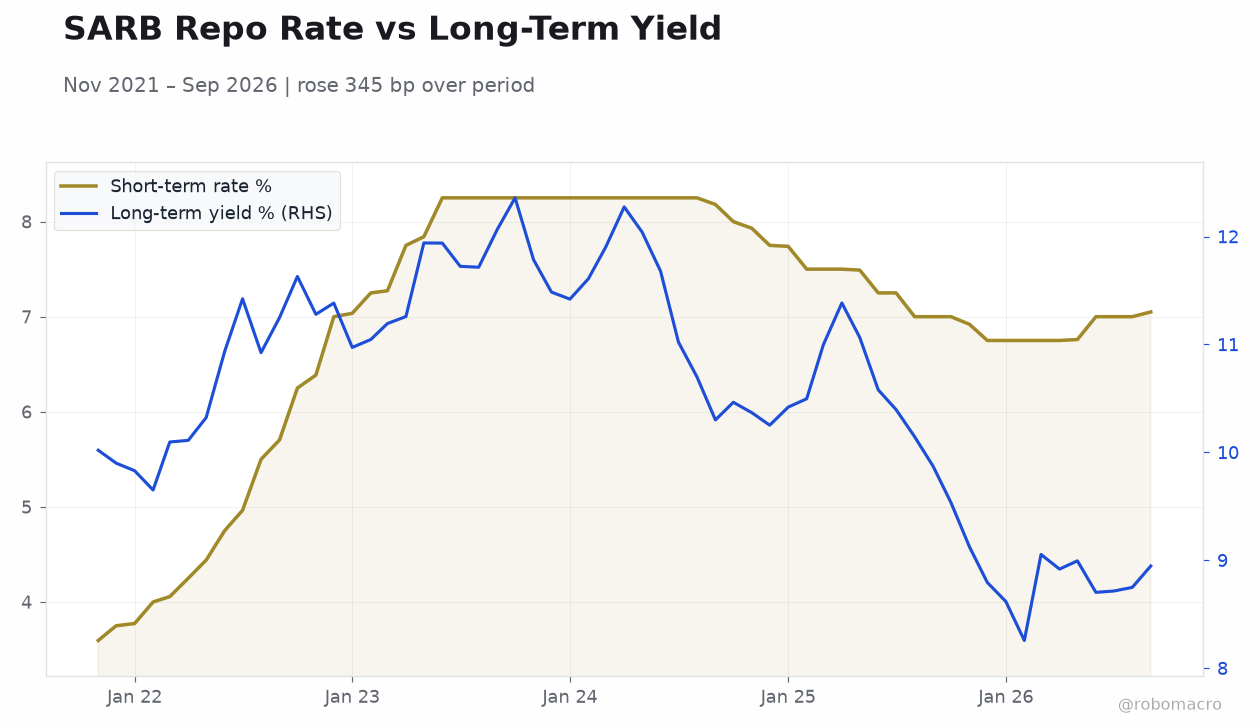 SARB Repo Rate vs Long-Term Yield | Type: macro_line | Short-term rate %: 7.05 (2026-09-01) | Range: 3.595–8.25 | Trend(6pt): 3.595,7.036,8.25,7.49,7,7.05 | Long-term yield %: 8.947 (2026-09-01) | Range: 8.257–12.36 | Trend(6pt): 10.02,10.97,11.9,11.07,8.715,8.947
Today's Economic Events
| Data |
Prior |
Cons |
Time |
| No events available |
- Rand strengthens to 16.45 against the dollar as markets position for Finance Minister Godongwana's Medium-Term Budget Policy Statement, with yields easing in anticipation of fiscal consolidation signals.
- JSE Top 40 advances 0.82% to 103,230, led by precious metals — platinum surges 2.45% and gold gains 0.44% — while Naspers adds 0.25%.
- SARB Governor Kganyago flags expectations for CPI to decline through 2027, reinforcing a meeting-by-meeting stance with the repo rate at 7.25%.
Yesterday's Recap
The rand firmed 0.35% against the dollar to 16.45, extending its recent run of strength as investors positioned ahead of Wednesday's Medium-Term Budget Policy Statement. Against the euro, the local unit gained 0.23% to 18.47, reflecting broad-based demand for rand exposure rather than dollar weakness alone. Equity markets participated in the risk-on tone, with the JSE Top 40 climbing 0.82% to 103,230.20.
Precious metals drove the advance: platinum rallied 2.45% to 1,663.10 and gold added 0.44% to 4,199.30, lifting the resource complex that dominates the index's heavyweight counters. Naspers rose a more modest 0.25% to 72,065, suggesting the day's gains were concentrated in miners rather than technology holdings. Brent crude slipped 1.82% to 107.86, a modest tailwind for South Africa's fuel import bill and inflation outlook.
Bitcoin's 1.29% rise to 82,430 underscored the resilient global risk appetite underpinning emerging-market currencies, while the absence of scheduled data releases left price action driven by positioning and headline flow.
The Day Ahead
Attention turns squarely to fiscal policy, with the Medium-Term Budget Policy Statement dominating the domestic calendar. Markets will scrutinise Finance Minister Godongwana's revised revenue and expenditure projections, the debt-stabilisation trajectory, and any adjustments to the primary surplus target — all critical inputs for the bond market's assessment of fiscal sustainability. Currency strategists will watch whether the statement reinforces the rand's recent resilience or introduces new fiscal risks that could stall the currency's gains.
Beyond the budget, investors will parse any commentary from SARB officials for hints on the policy path ahead of the next MPC meeting, particularly given the Governor's emphasis on data-dependent decision-making. The absence of major tier-one economic prints this week elevates the budget's signalling importance, with the bond curve likely to trade on fiscal credibility rather than growth data. Positioning suggests a constructive bias into the statement, but the bar for a positive reaction is a credible consolidation path.
Page 1
Never miss an issue
Subscribe to South Africa Macro Daily and get each new issue delivered to your inbox.
Already a member? Visit robomacro.com
to log in and manage subscriptions, or use Forgot Password to set a password.