ANZ Macro Daily(Beta Mode)
RBA Hike Bets Hold Despite Cooling Jobs Data
Market Snapshot
| Asset | Level | Change |
|---|---|---|
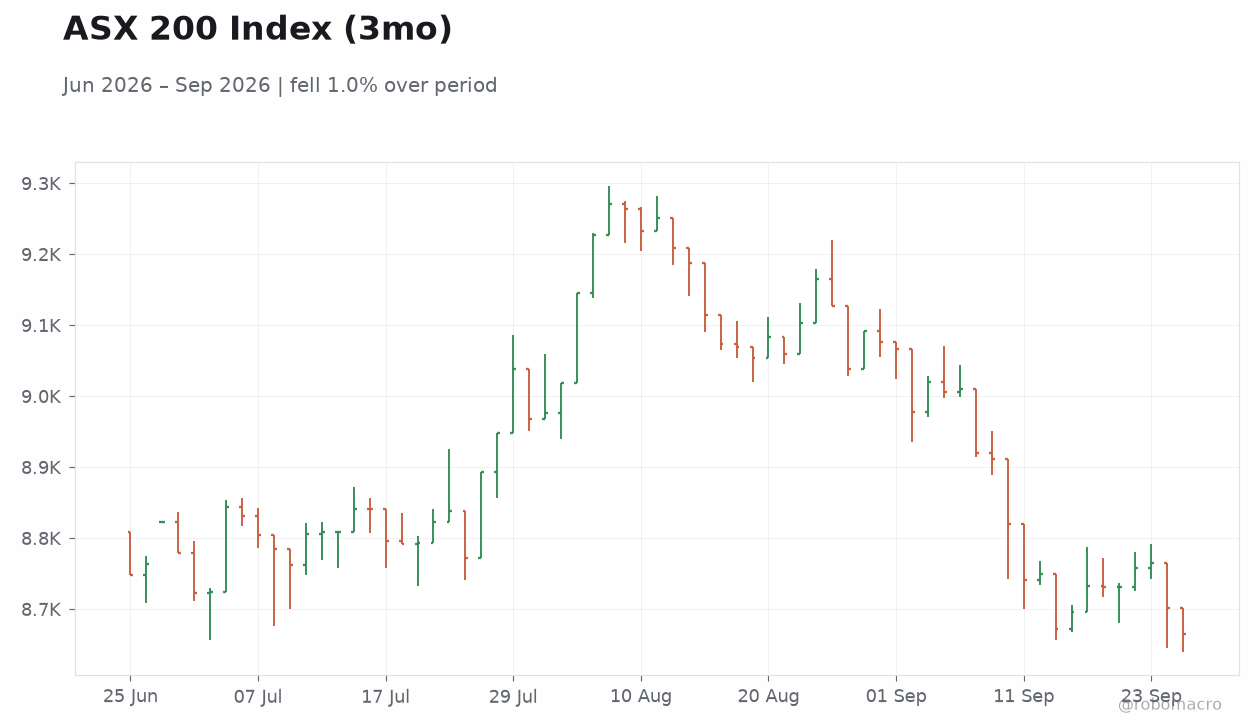
| ASX 200 | 8,665.00 | -0.43% |
| NZX 50 | 13,811.11 | -0.10% |
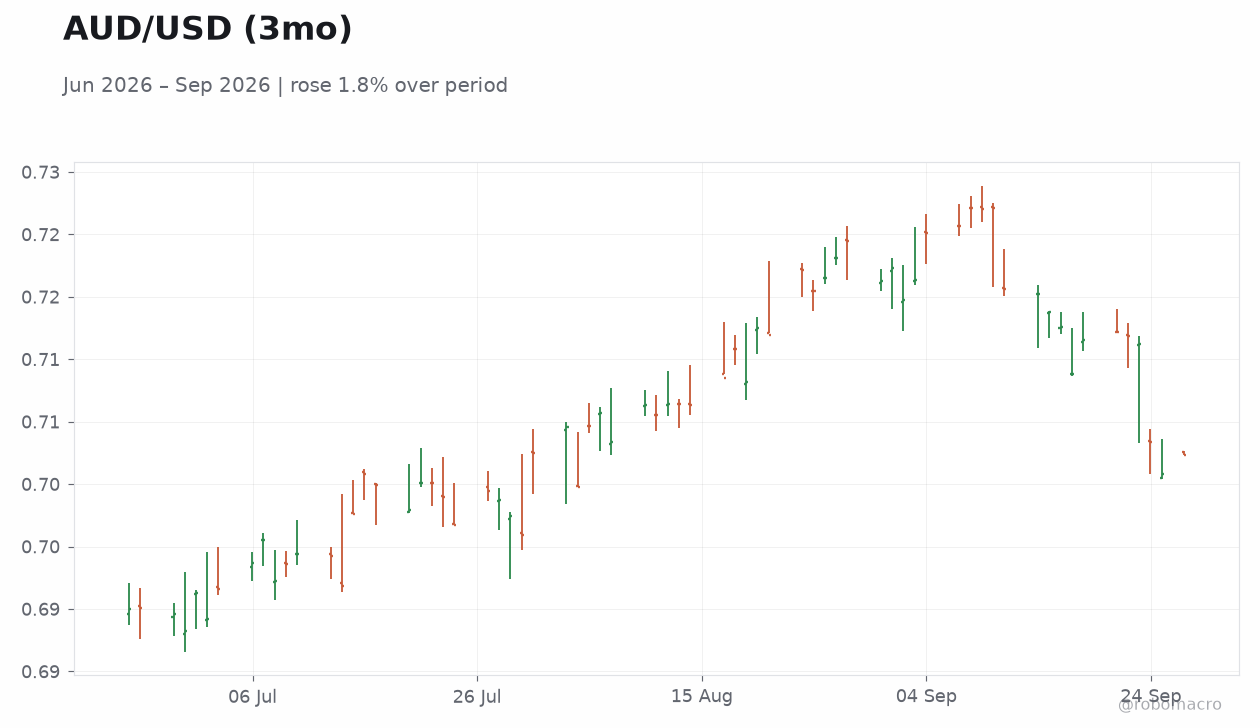
| AUD/USD | 0.70 | +0.22% |
| NZD/USD | 0.57 | +0.22% |
| AUD/NZD | 1.24 | -0.08% |
| BHP | 60.72 | -0.49% |
| Gold | 4,321.20 | +0.54% |
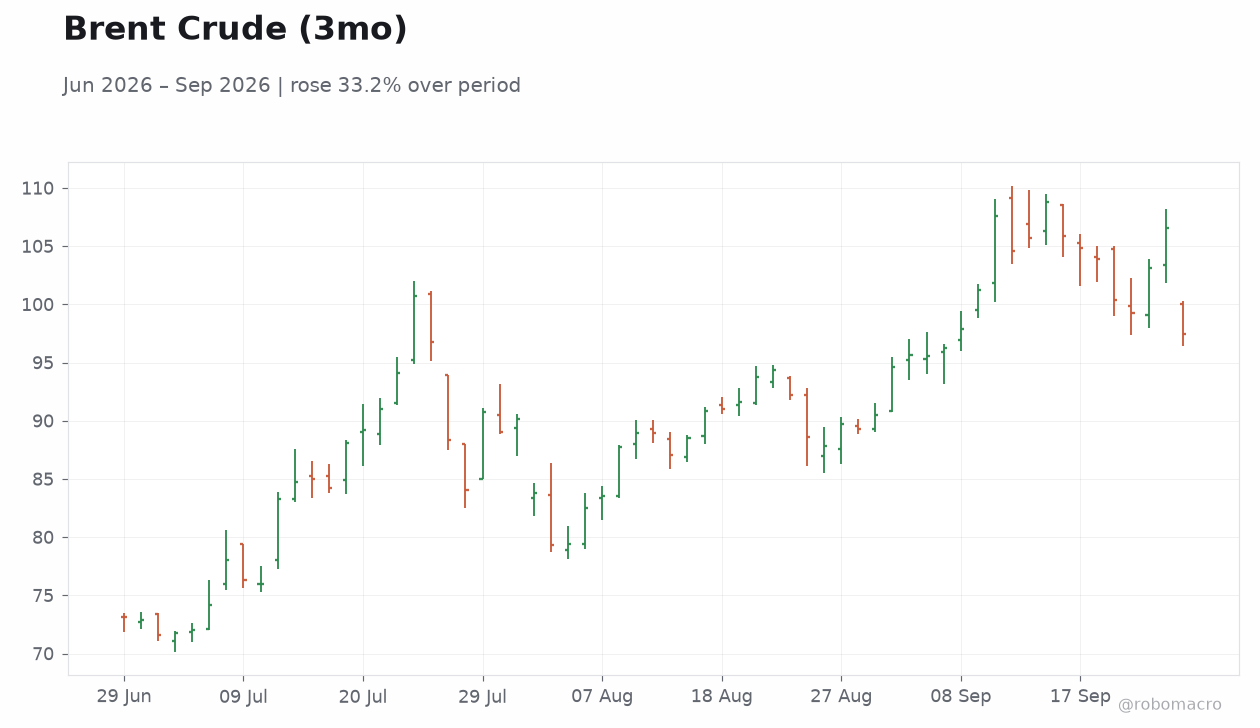
| Brent Crude | 97.44 | -8.59% |
| Bitcoin | 84,733.65 | +0.39% |
| Australia 2Y Govt Yield | 4.95% | -5 bp |
| Australia 10Y Govt Yield | 5.25% | -10 bp |
Prior Economic Events
| Data | Prior | Cons | Actual |
|---|---|---|---|
| RBA Hunter Speech | - | - | - |
| S&P Global Manufacturing PMI Flash | 52 | - | 49.30 |
| S&P Global Services PMI Flash | 53.20 | - | 51.40 |
| Employment Change | -15,900 | 20,000 | 39,500 |
| Full-Time Employment Change | 14,900 | - | -6,300 |
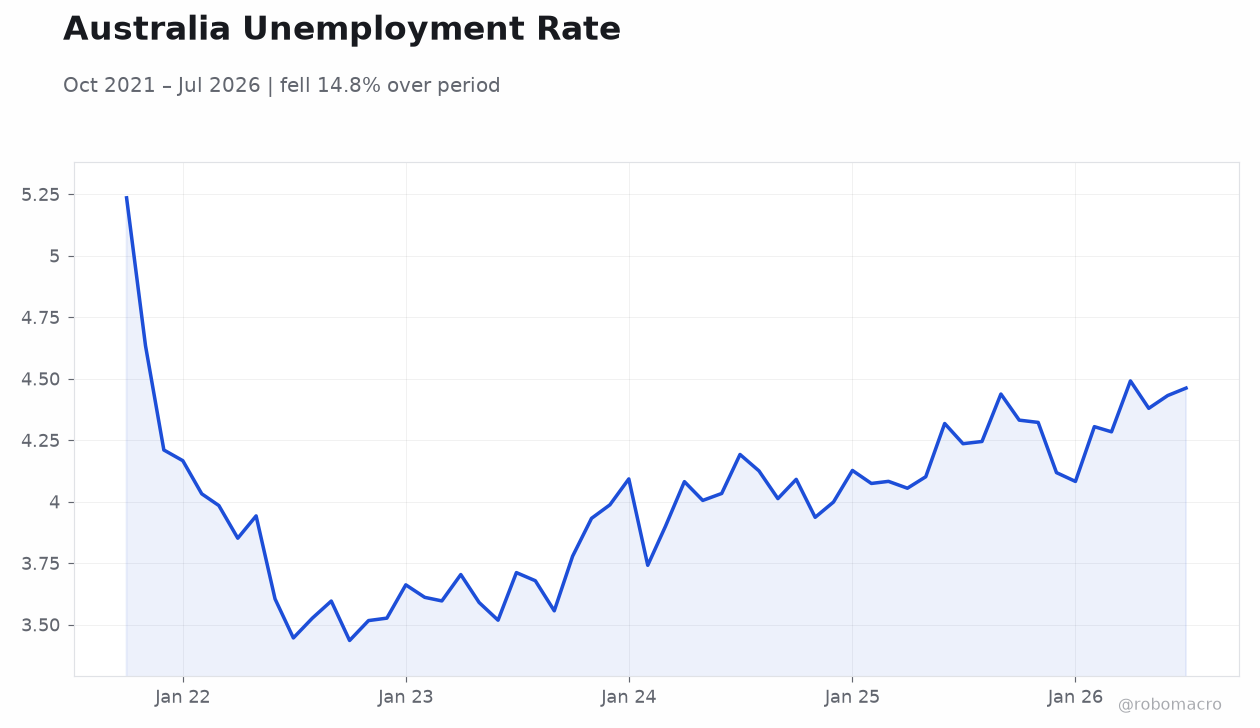
| Headline Unemployment Rate | 4.50 | 4.50 | 4.60 |
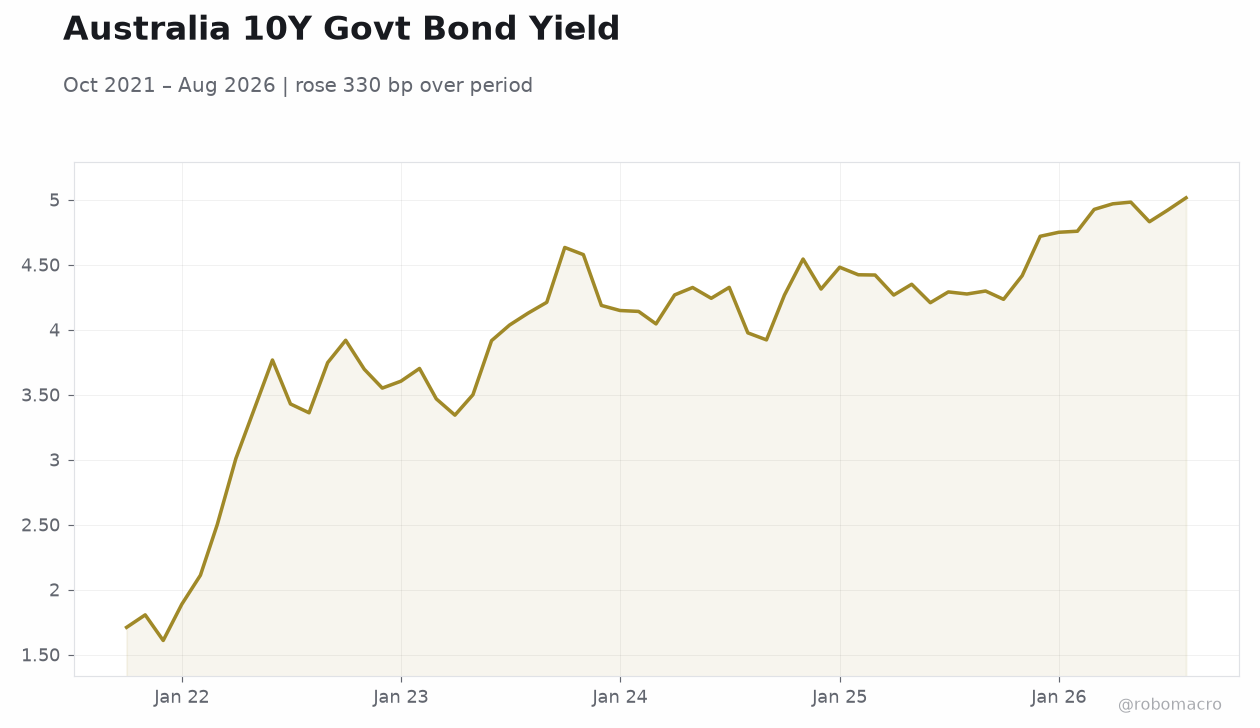 Australia 10Y Govt Bond Yield | Type: macro_line | Yield %: 5.015 (2026-08-01) | Range: 1.609–5.015 | Trend(6pt): 1.71,3.551,4.141,4.267,4.831,5.015
Today's Economic Events
| Data | Prior | Cons | Time |
|---|---|---|---|
| No events available | |||
- Australian PMIs contracted while unemployment rose to 4.6%, tempering near-term RBA tightening odds.
- ASX 200 fell 0.43% and 10-year yields dropped 10 bp as markets priced softer growth.
- RBA hike expectations continue to anchor AUD despite mixed employment prints.
Yesterday's Recap
Australian data dominated. S&P Global Manufacturing PMI Flash fell to 49.3 from 52.0 while Services PMI eased to 51.4 from 53.2, signalling broad-based slowdown. Employment Change surprised higher at +39,500 versus consensus +20,000, yet full-time jobs declined 6,300 and the unemployment rate climbed to 4.6%.
The RBA Hunter speech added no new signals. ASX 200 closed at 8,665.00, down 0.43%, and NZX 50 slipped 0.10% to 13,811.11. AUD/USD rose 0.22% to 0.70 while Australia 2-year and 10-year yields fell 5 bp and 10 bp to 4.95% and 5.25% respectively.
Brent crude plunged 8.59% to 97.44, offering limited support to commodity-linked currencies. Gold advanced 0.54% to 4,321.20, providing modest AUD backing amid the mixed labour print.
The Day Ahead
No scheduled releases or central-bank events appear for 27-28 September across Australia or New Zealand. Markets will monitor offshore data for China growth cues and any follow-through from the RBA Hunter remarks. Commodity traders will track iron-ore and LNG price updates given their direct bearing on Australian export revenues.
Housing-market sentiment may react to any fresh commentary on rate-path risks. Overall, the session is expected to remain data-light and driven by global risk appetite, with attention on how softer domestic PMIs interact with persistent external inflation concerns.
Other Economic Notes
Australia’s commodity-export model remains sensitive to China demand, with BHP at 60.72 serving as a key sentiment gauge. New Zealand’s dairy and tourism sectors face separate headwinds from softer global growth. Rising Australian unemployment at 4.6% alongside weaker PMIs raises recession concerns if the RBA proceeds with further hikes.
Housing affordability continues to deteriorate in both countries, amplifying the transmission of policy rates into household spending. These domestic pressures coincide with elevated CPI prints of 3.45% in Australia and 4.10% in New Zealand, keeping real-rate considerations in focus for both central banks.