ANZ Macro Daily(Beta Mode)
AUD Climbs as RBA Hike Bets Ease
Market Snapshot
| Asset | Level | Change |
|---|---|---|
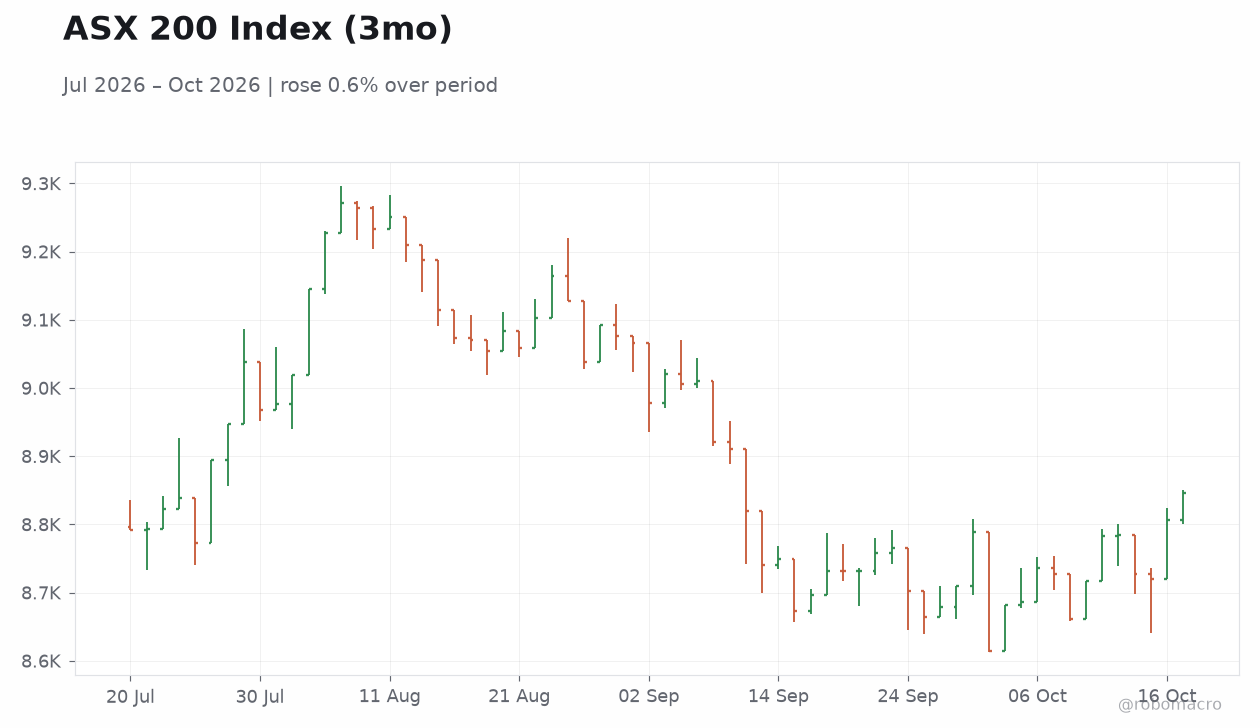
| ASX 200 | 8,845.70 | +0.44% |
| NZX 50 | 13,652.07 | -0.74% |
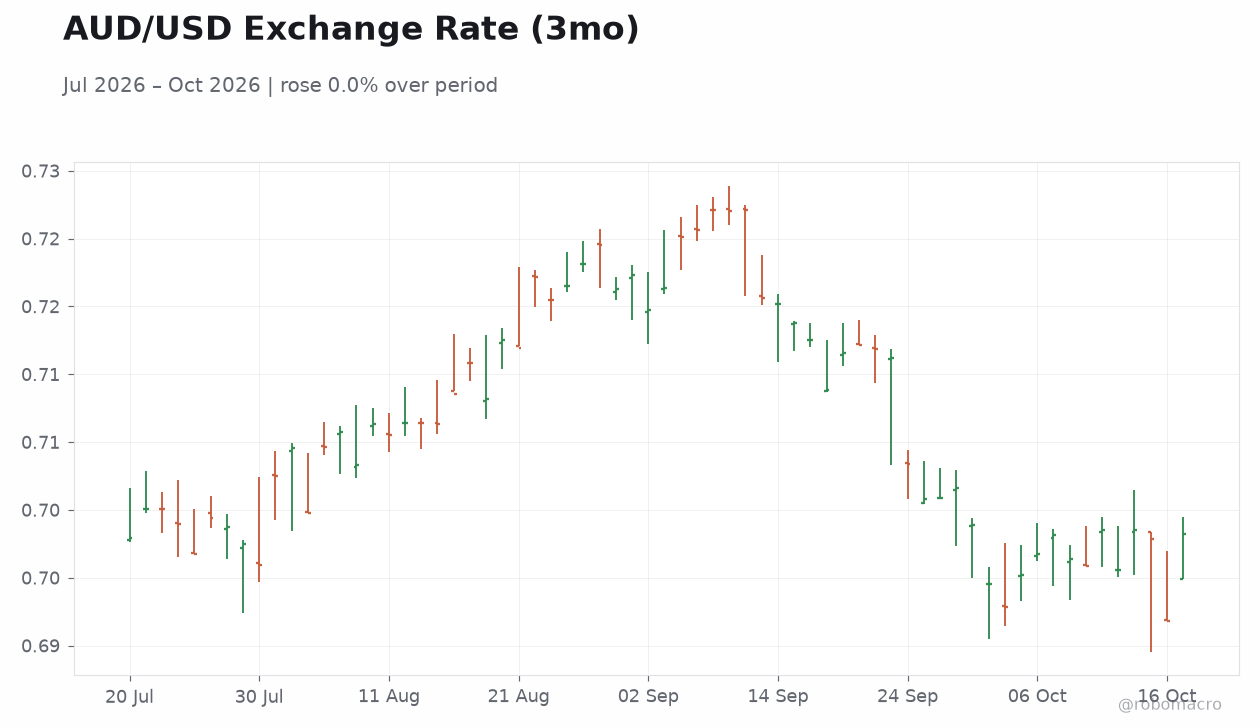
| AUD/USD | 0.70 | +0.91% |
| NZD/USD | 0.57 | +0.73% |
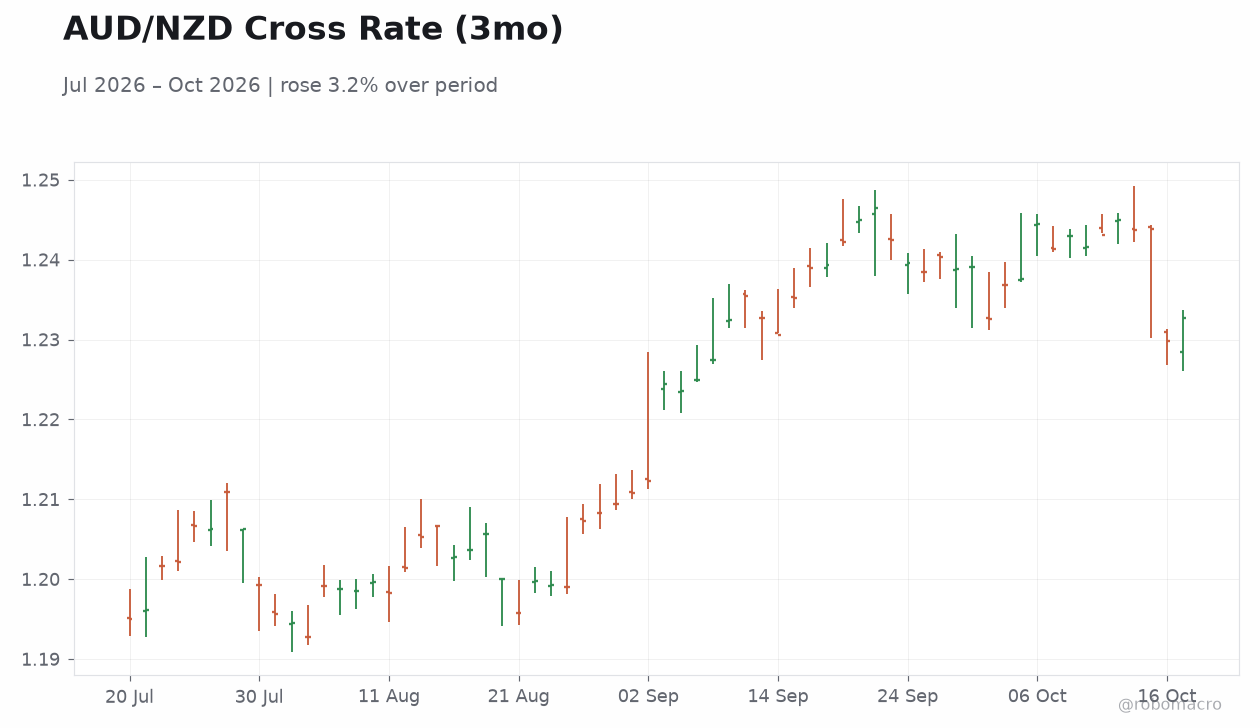
| AUD/NZD | 1.23 | +0.24% |
| BHP | 60.03 | +3.50% |
| Gold | 4,162.70 | -0.44% |
| Brent Crude | 109.43 | -0.39% |
| Bitcoin | 81,752.08 | -0.32% |
| Australia 2Y Govt Yield | 4.92% | +3 bp |
| Australia 10Y Govt Yield | 5.31% | +2 bp |
Prior Economic Events
| Data | Prior | Cons | Actual |
|---|---|---|---|
| No events available | |||
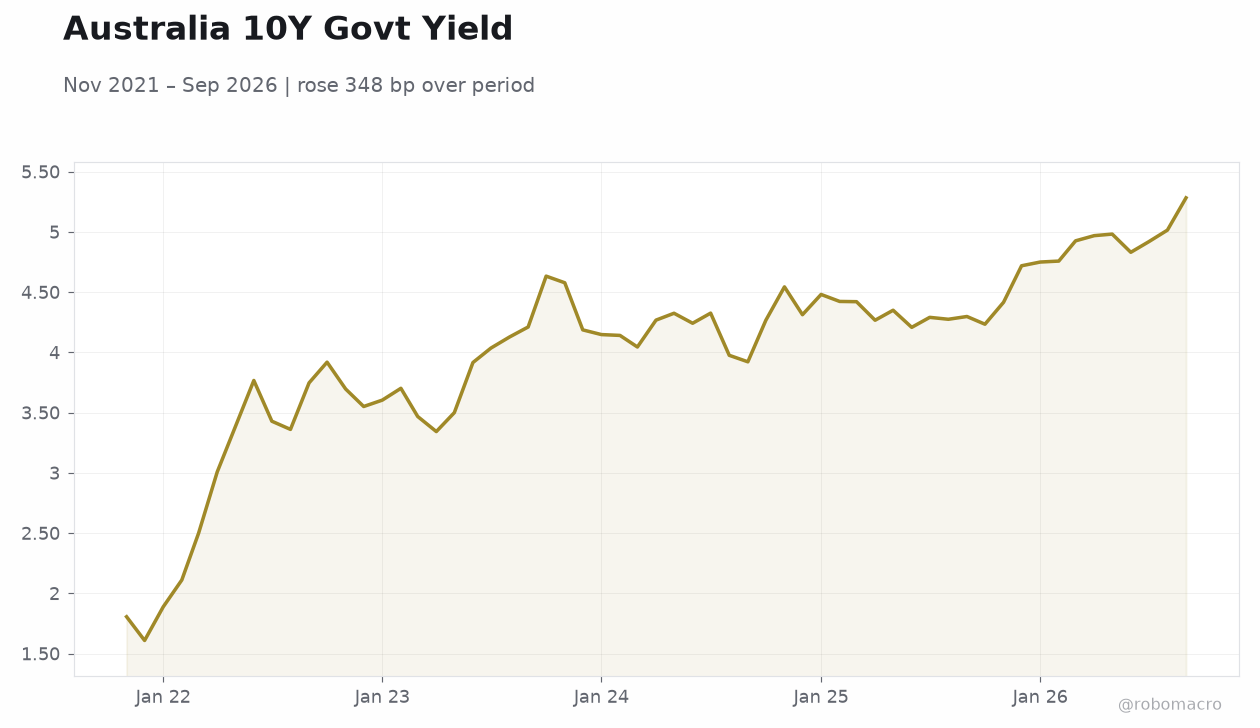 Australia 10Y Govt Yield | Type: macro_line | Yield %: 5.283 (2026-09-01) | Range: 1.609–5.283 | Trend(6pt): 1.806,3.604,4.045,4.35,4.919,5.283
Today's Economic Events
| Data | Prior | Cons | Time |
|---|---|---|---|
| Inflation Rate Quarter-over-Quarter | 1.50 | 0.80 | 17:45 |
- ASX 200 rose 0.44% while NZX 50 fell 0.74% amid mixed regional equity moves.
- AUD/USD advanced 0.91% to 0.70 as RBA rate-hike expectations moderated.
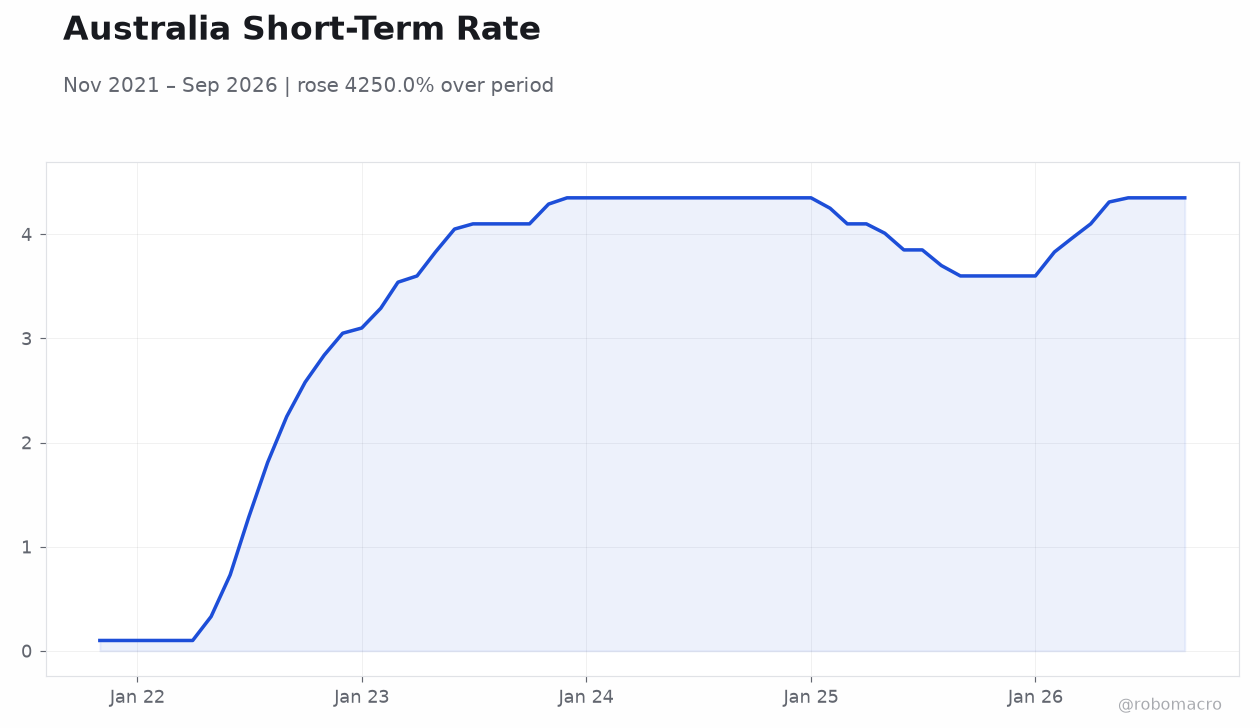
- Australia 10-year yield rose 2 bp to 5.31% and 2-year yield gained 3 bp to 4.92%.
Yesterday's Recap
Equity markets in Australia posted modest gains with the ASX 200 advancing 0.44% to 8,845.70, supported by strength in mining names including BHP which rose 3.50%. New Zealand equities declined, with the NZX 50 falling 0.74% to 13,652.07. The Australian dollar strengthened notably, rising 0.91% to 0.70 against the US dollar as recent hawkish RBA commentary continued to support the currency despite fading November hike probabilities.
The New Zealand dollar also gained ground, advancing 0.73% to 0.57. Australian government bond yields moved higher, with the 2-year yield increasing 3 bp to 4.92% and the 10-year yield rising 2 bp to 5.31%. Commodity prices were mixed, with gold declining 0.44% while Brent crude eased 0.39%.
No major economic data releases occurred in either Australia or New Zealand on the day. Australia’s commodity-export model remains tightly linked to Chinese demand, with iron ore, coal and LNG shipments providing the dominant external impulse. Recent China GDP strength has offered a temporary lift to Australian mining equities and the AUD.
The Day Ahead
Attention turns to New Zealand’s third-quarter inflation data scheduled for release on 21 October at 17:45 ET. The inflation rate is expected to print 0.8% quarter-over-quarter, down from the prior 1.5% reading. Markets will assess whether the outcome supports the RBNZ’s gradual easing path or signals persistent price pressures.
No scheduled releases are listed for Australia on the immediate horizon. Traders will also monitor any follow-through commentary from RBA officials on the outlook for policy rates given recent employment and inflation prints. New Zealand’s economy continues to rely on dairy exports, tourism inflows and domestic construction activity, leaving it more exposed to domestic demand cycles.
Housing markets in both countries remain sensitive to interest-rate expectations, with any sustained RBA or RBNZ easing likely to support prices and household spending.
Other Economic Notes
The US dollar steadied after earlier volatility, capping further AUD and NZD gains despite positive China data. ↓ p.2