ANZ Macro Daily(Beta Mode)
RBA, RBNZ Rate-Hike Bets Rise Ahead of CPI, OCR
Market Snapshot
| Asset | Level | Change |
|---|---|---|
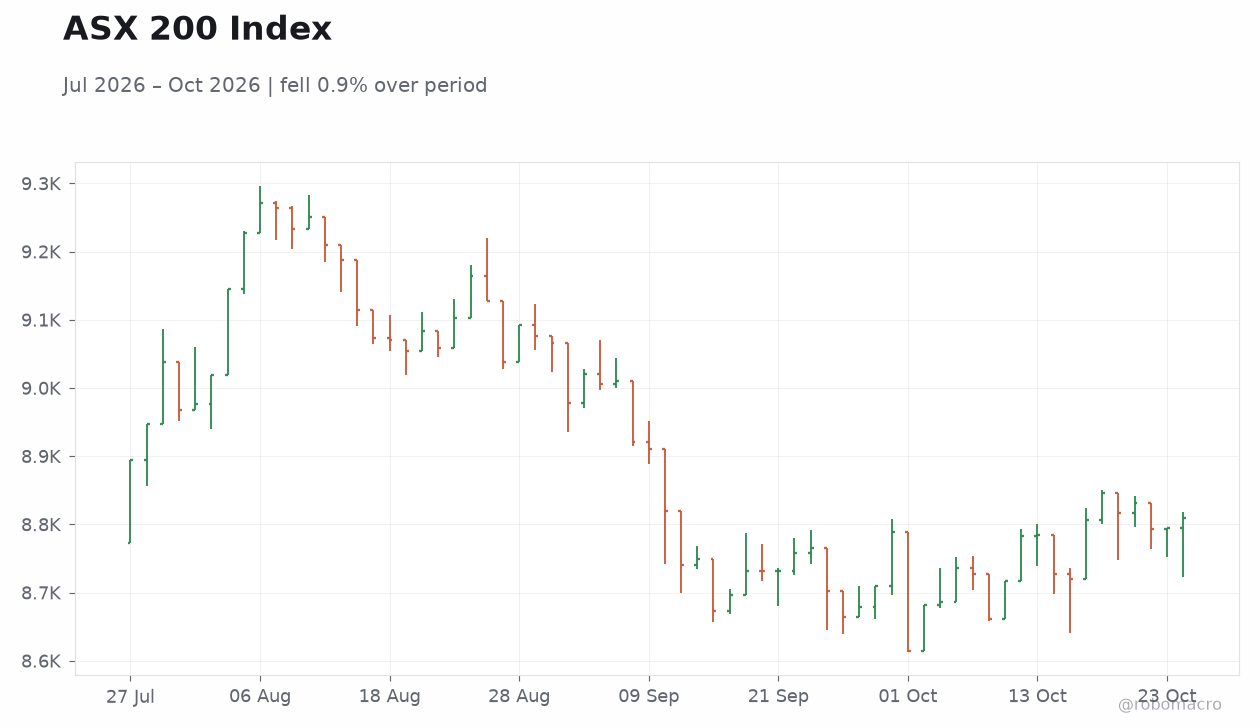
| ASX 200 | 8,809.90 | +0.17% |
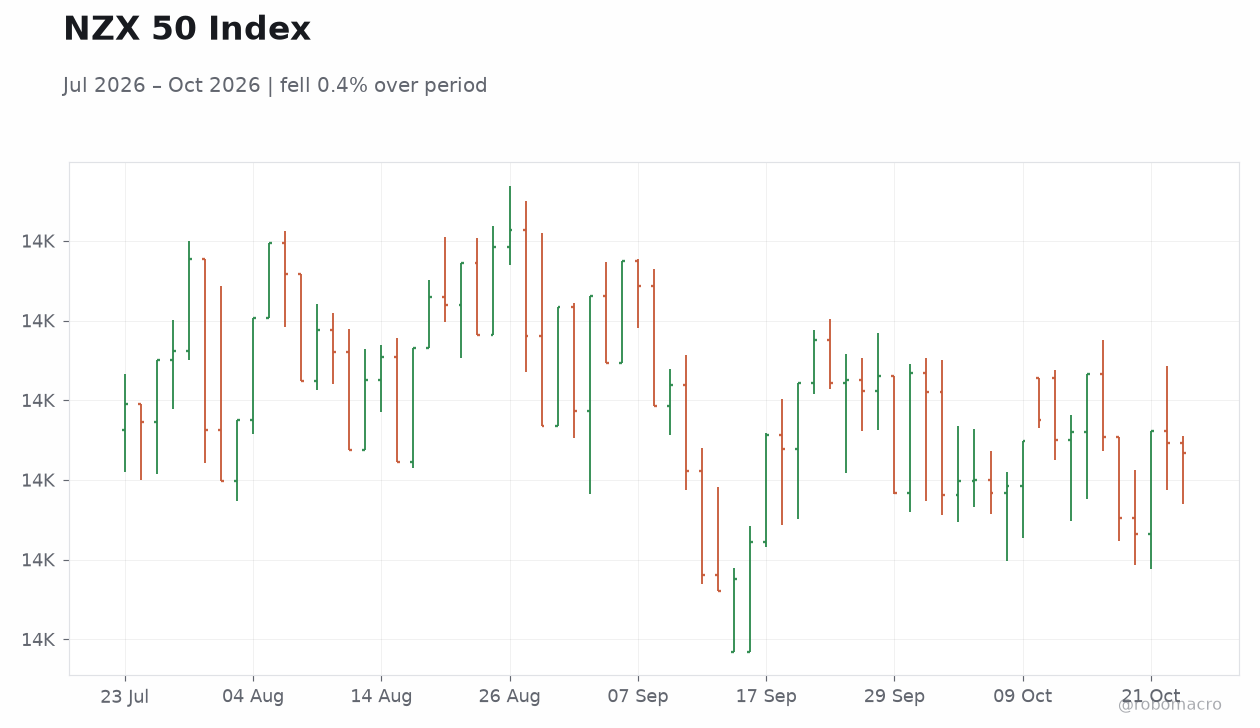
| NZX 50 | 13,733.93 | -0.09% |
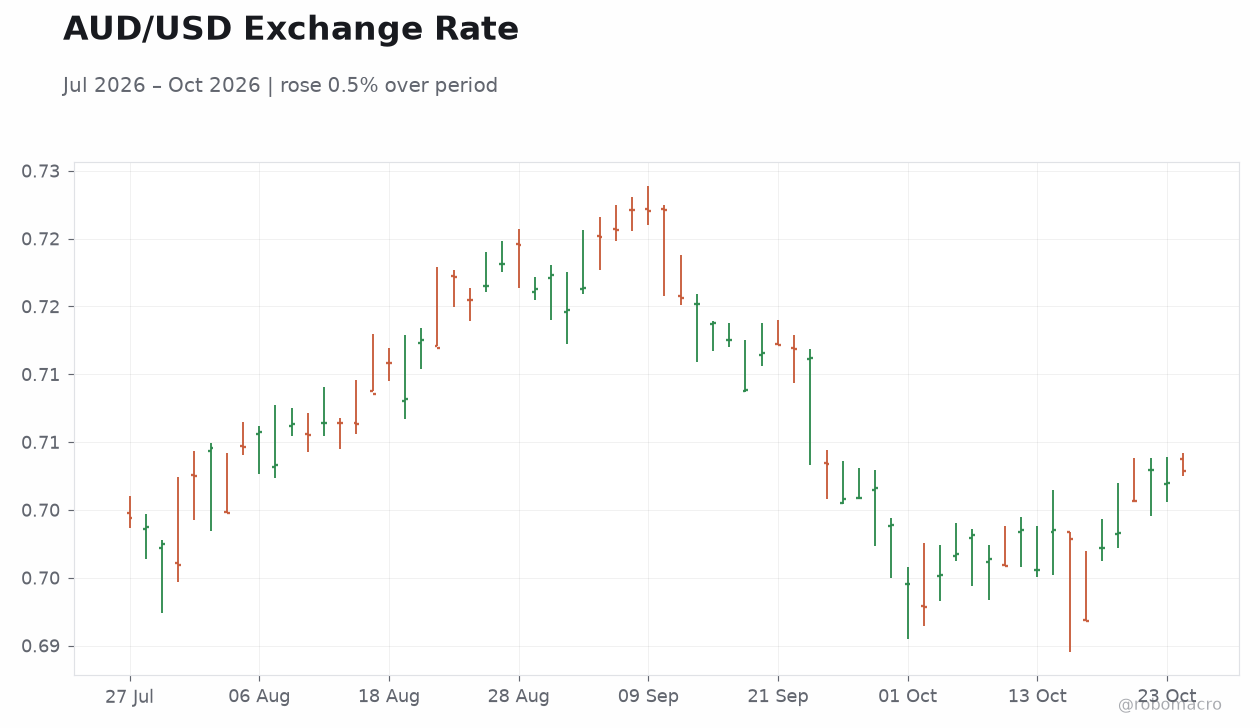
| AUD/USD | 0.70 | +0.12% |
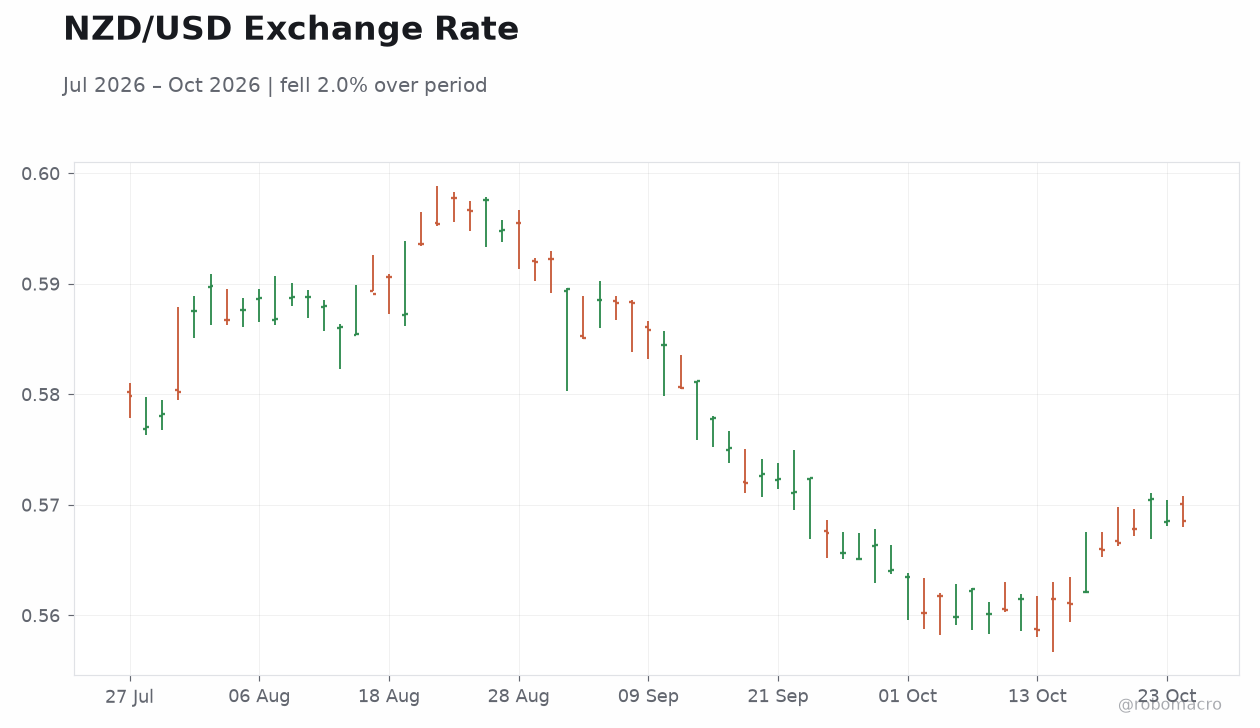
| NZD/USD | 0.57 | +0.00% |
| AUD/NZD | 1.23 | +0.15% |
| BHP | 55.05 | -3.64% |
| Gold | 4,032.80 | +0.62% |
| Brent Crude | 110.18 | -5.60% |
| Bitcoin | 80,229.45 | +0.26% |
| Australia 2Y Govt Yield | 4.92% | +6 bp |
| Australia 10Y Govt Yield | 5.28% | +3 bp |
Prior Economic Events
| Data | Prior | Cons | Actual |
|---|---|---|---|
| No events available | |||
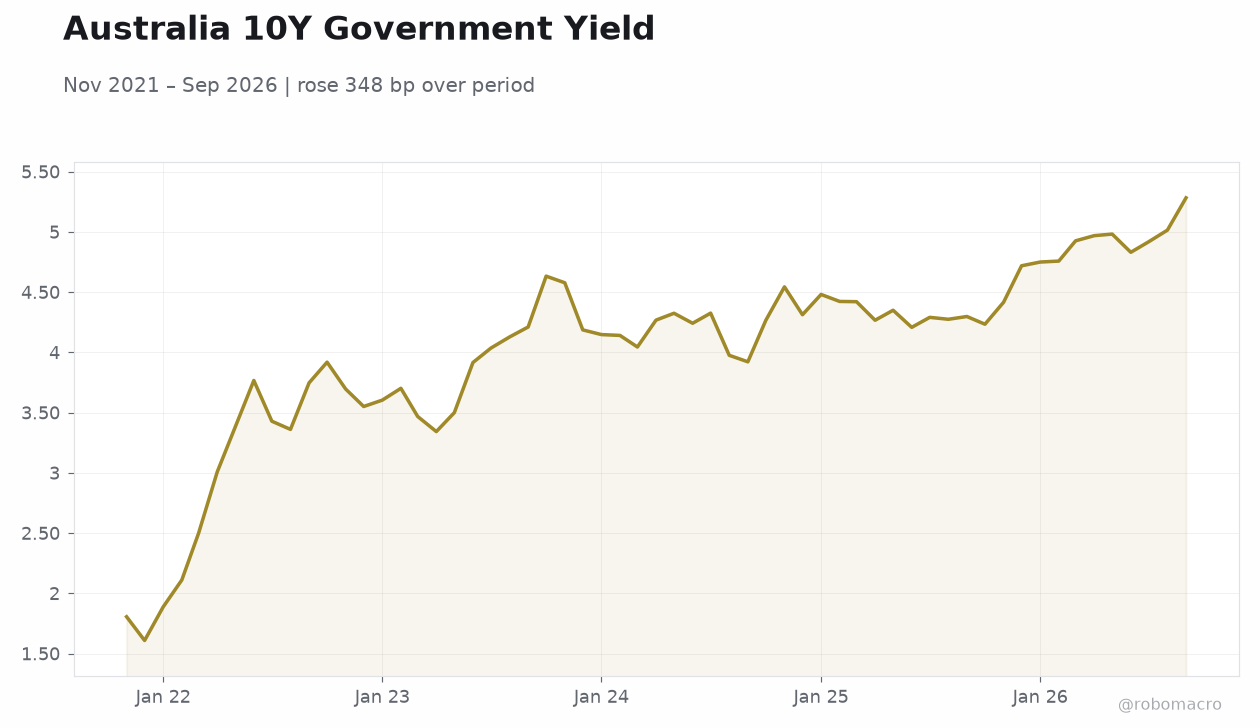 Australia 10Y Government Yield | Type: macro_line | Yield %: 5.283 (2026-09-01) | Range: 1.609–5.283 | Trend(6pt): 1.806,3.604,4.045,4.35,4.919,5.283
Today's Economic Events
| Data | Prior | Cons | Time |
|---|---|---|---|
| RBA Senate Appearance | - | - | 20:15 |
| Inflation Rate Month-over-Month | 0.40 | 0.70 | 20:30 |
| Inflation Rate Year-over-Year | 4 | 4.20 | 20:30 |
| RBA Trimmed Mean CPI Month-over-Month | 0.20 | 0.30 | 20:30 |
| RBA Trimmed Mean CPI Year-over-Year | 3.60 | - | 20:30 |
| RBNZ Interest Rate Decision | 2.75 | 3 | 21:00 |
| ANZ Business Confidence | 51.90 | - | 20:00 |
| PPI Quarter-over-Quarter | 1.30 | 1 | 20:30 |
- Markets price RBA and RBNZ rate increases as Australian CPI and RBNZ decision loom this week.
- ASX 200 edges higher while BHP falls sharply on commodity weakness; AUD/USD holds near 0.70.
- Australian 2-year and 10-year yields rise 6 bp and 3 bp respectively amid persistent inflation concerns.
Yesterday's Recap
Australian and New Zealand equity markets showed modest moves with limited economic data releases. The ASX 200 advanced 0.17 percent to 8,809.90 while the NZX 50 slipped 0.09 percent to 13,733.93. AUD/USD gained 0.12 percent to 0.70 and AUD/NZD rose 0.15 percent to 1.23.
BHP declined 3.64 percent to 55.05 as iron ore and broader commodity prices weakened. Australian 2-year government yields climbed 6 bp to 4.92 percent and the 10-year yield added 3 bp to 5.28 percent. NZD/USD remained steady at 0.57.
Gold rose 0.62 percent while Brent crude fell 5.60 percent. News flow centered on RBA rate-hike expectations and RBNZ tightening bets, with headlines noting the Australian dollar's mixed response despite warnings of further policy tightening. Weak PMI prints added to domestic softening signals even as energy prices kept inflation concerns elevated.
The Day Ahead
Attention turns to Australian September-quarter CPI figures and the RBNZ policy decision tomorrow. The RBA Senate appearance at 20:15 ET will provide further guidance on inflation persistence. Headline CPI is expected to rise 0.7 percent month-over-month and 4.2 percent year-over-year, with trimmed-mean measures also higher.
Markets fully price a 25 bp RBNZ OCR increase to 3.0 percent at 21:00 ET. Later in the week, New Zealand ANZ Business Confidence and Australian PPI data will offer additional inflation signals. These releases will shape expectations for both central banks' near-term paths.
Australia's commodity-export model remains tightly linked to Chinese demand, with iron ore and LNG prices key swing factors for the terms of trade.
Other Economic Notes
Weak PMI prints underscore softening domestic momentum even as energy prices keep inflation elevated. New Zealand's dairy and tourism sectors face similar external headwinds while construction activity stays constrained by higher borrowing costs. Both economies continue to monitor housing-market resilience, which supports household balance sheets but also complicates inflation control.
↓ p.2