ASEAN Macro Daily(Beta Mode)
IDR Strengthens as BI Holds Amid MSCI Pressure
Market Snapshot
| Asset | Level | Change |
|---|---|---|
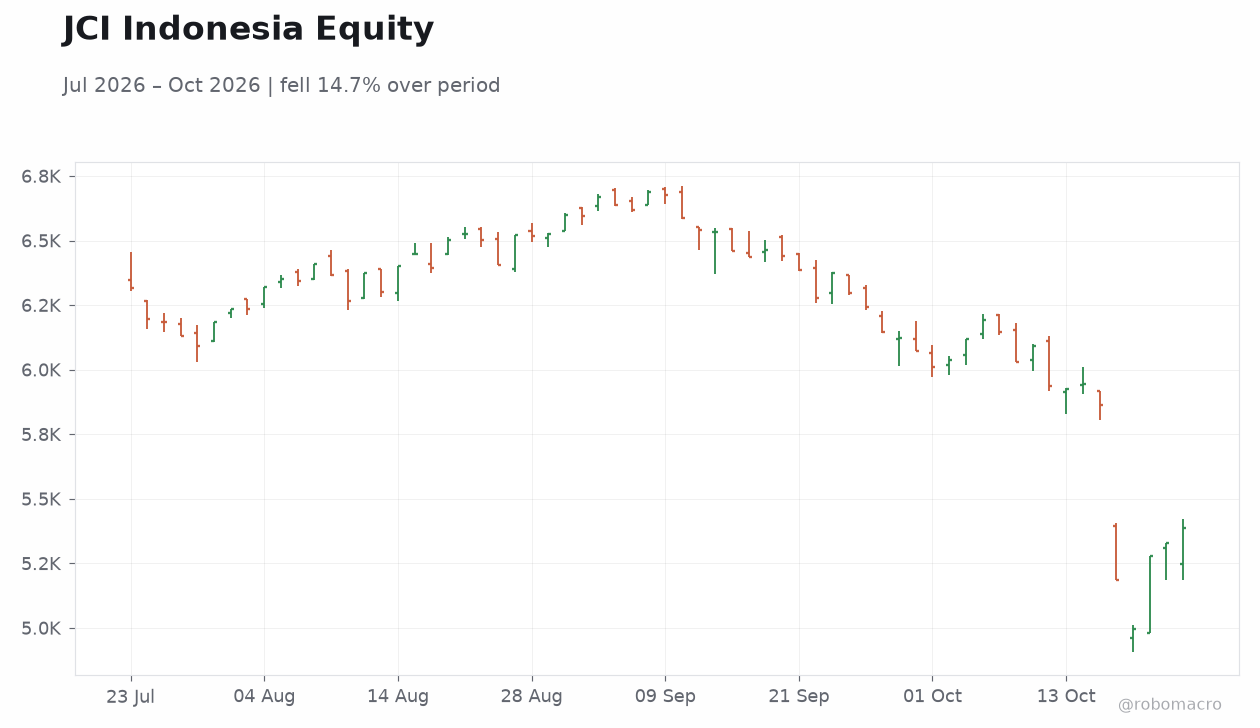
| JCI | 5,387.90 | +1.12% |
| KLCI | 1,608.14 | +0.37% |
| STI | 5,415.14 | -0.42% |
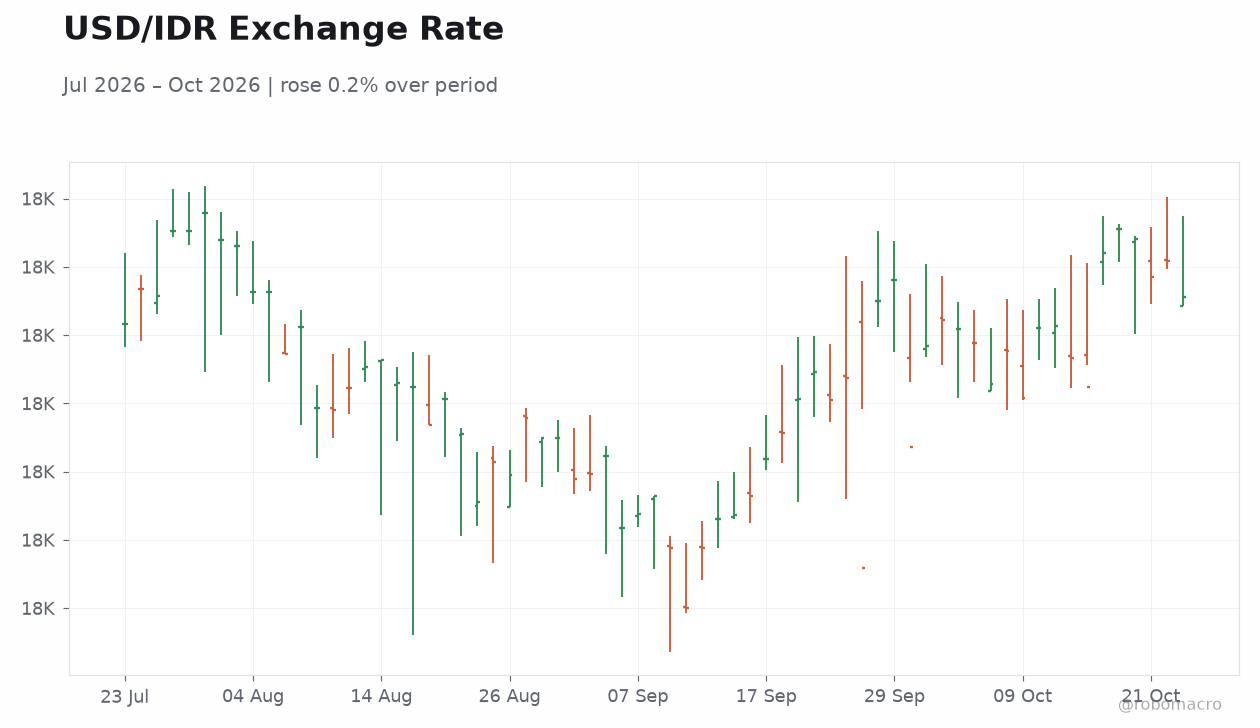
| USD/IDR | 17,956.00 | -0.29% |
| USD/THB | 33.74 | +0.52% |
| USD/MYR | 4.08 | +0.11% |
| USD/PHP | 63.56 | +0.31% |
| USD/SGD | 1.28 | +0.10% |
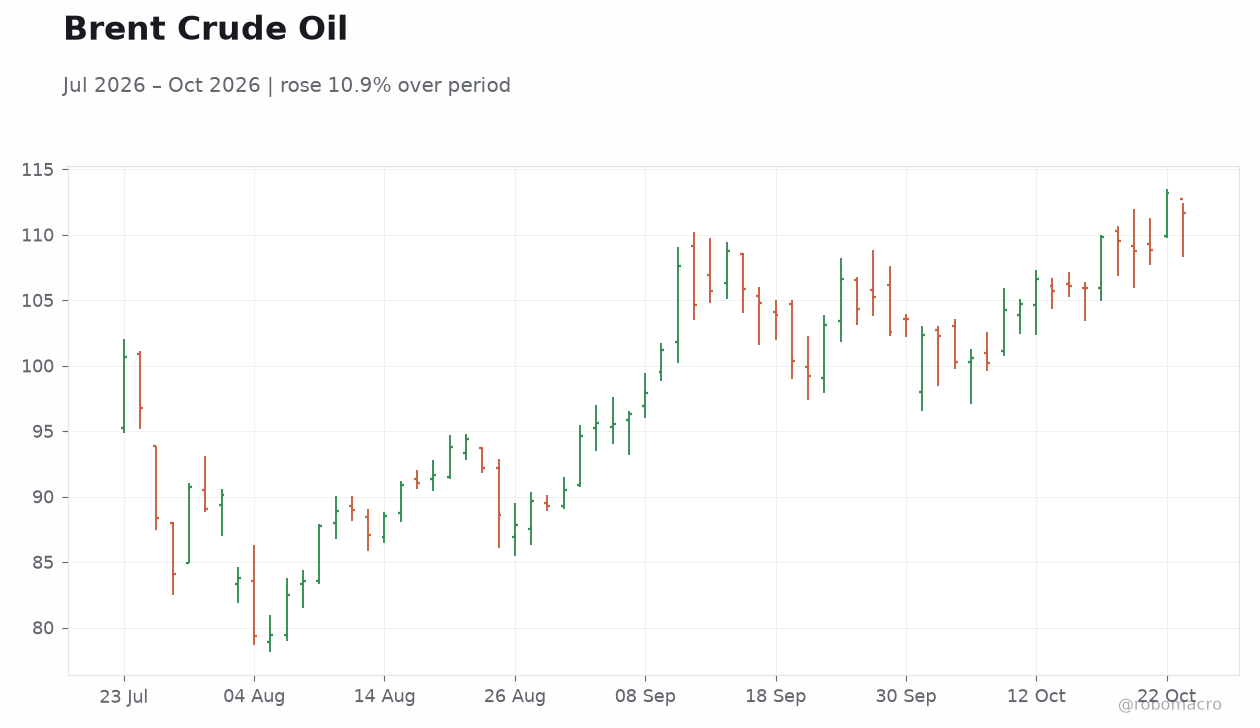
| Brent Crude | 111.74 | -1.26% |
| Gold | 4,013.10 | -1.16% |
| Bitcoin | 81,403.70 | +0.11% |
| Indonesia 10Y Govt Yield | - | - |
| Thailand 10Y Govt Yield | - | - |
Prior Economic Events
| Data | Prior | Cons | Actual |
|---|---|---|---|
| No events available | |||
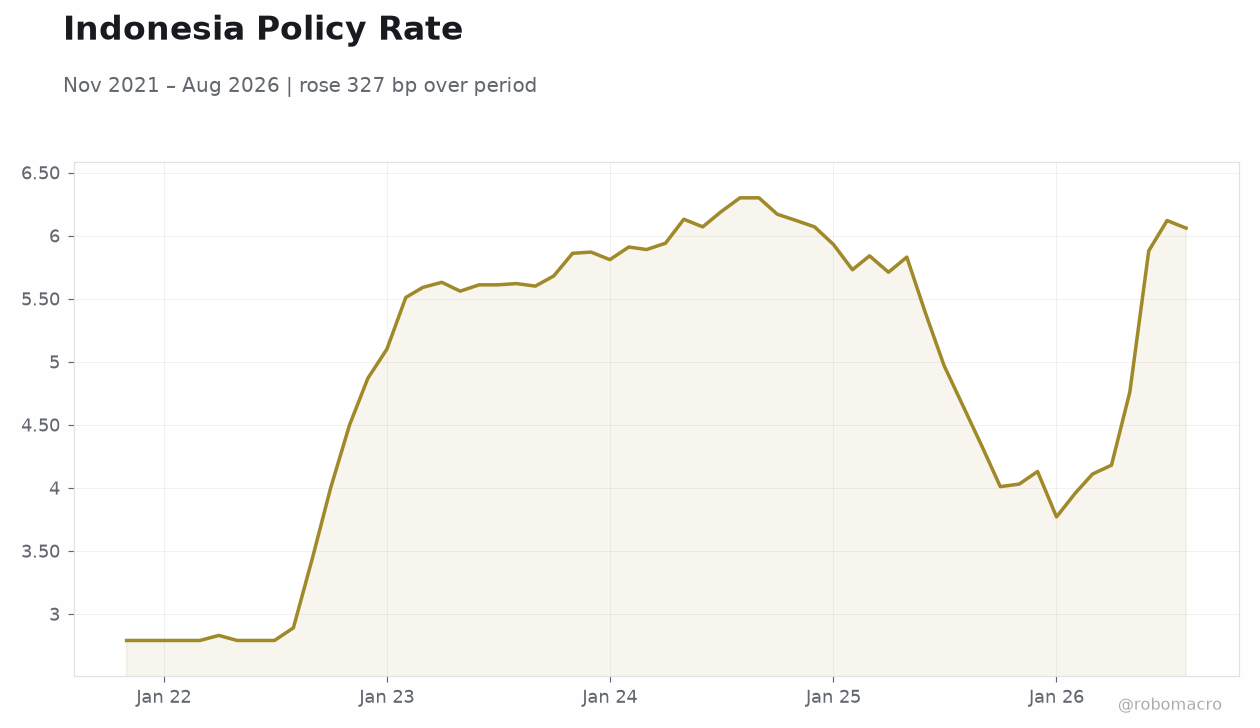 Indonesia Policy Rate | Type: macro_line | %: 6.06 (2026-08-01) | Range: 2.79–6.3 | Trend(6pt): 2.79,5.1,5.89,5.83,6.12,6.06
Today's Economic Events
| Data | Prior | Cons | Time |
|---|---|---|---|
| No events available | |||
- Indonesian rupiah gains on shifting safe-haven flows while BI holds policy rate at 5.75%.
- Regional equities mixed with JCI rising 1.12% and STI falling 0.42%.
- Thailand and Malaysia advance digital settlement projects with Singapore.
Yesterday's Recap
Indonesian markets led ASEAN gains as the rupiah strengthened 0.29% to 17,956 per dollar on shifting safe-haven demand. Bank Indonesia held its policy rate at 5.75%, citing a manageable currency outlook despite MSCI downgrade concerns. The Jakarta Composite Index advanced 1.12% to 5,387.90.
In Thailand the baht weakened 0.52% to 33.74 per dollar while the SET index posted modest gains. Malaysia’s KLCI rose 0.37% to 1,608.14. Singapore’s STI declined 0.42% to 5,415.14 amid thin regional volumes.
Central banks of Malaysia and Thailand joined Singapore’s digital money settlement initiative, expanding cross-border payment infrastructure. Economists continue to flag potential BI-Rate adjustments toward 6.25% if external pressures intensify, though the central bank stressed its policy mix remains effective in anchoring stability.
The Day Ahead
No major data releases are scheduled across the six ASEAN economies. Market participants will monitor ongoing rupiah stability after recent Bank Indonesia comments on policy-mix effectiveness. Thailand’s finance ministry is expected to provide further details on solar subsidy rollout following IMF-World Bank meetings.
Bank of Thailand continues to seek feedback on baht-denominated stablecoin rules requiring full 1:1 reserves. Singapore’s OCBC will begin allowing customers to hold ringgit savings accounts, potentially increasing MYR liquidity flows. Regional investors remain focused on oil price volatility and its implications for Indonesia’s current account.
Malaysia is also discussing overland durian export routes with Thailand, Vietnam, Laos and Cambodia to reach China, adding another layer of trade integration.
Other Economic Notes
Indonesia’s commodity-driven economy faces persistent inflation risks at 3.28% even as higher oil prices pressure the external balance. Thailand’s manufacturing and tourism sectors stand to benefit from new solar incentives aimed at accelerating post-pandemic recovery. Malaysia’s manufacturing base gains from deeper integration with Singapore’s financial infrastructure through the digital settlement project.
↓ p.2