Andeans Macro Daily(Beta Mode)
Chile Strike, Peru Slump, COP Steady
Market Snapshot
| Asset | Level | Change |
|---|---|---|
| MSCI Colombia | 9.02 | +0.00% |
| MSCI Chile | 36.92 | -1.26% |
| MSCI Peru | 88.78 | -1.66% |
| USD/COP | 3,180.40 | -0.26% |
| USD/CLP | 981.63 | -0.03% |
| USD/PEN | 3.43 | +0.14% |
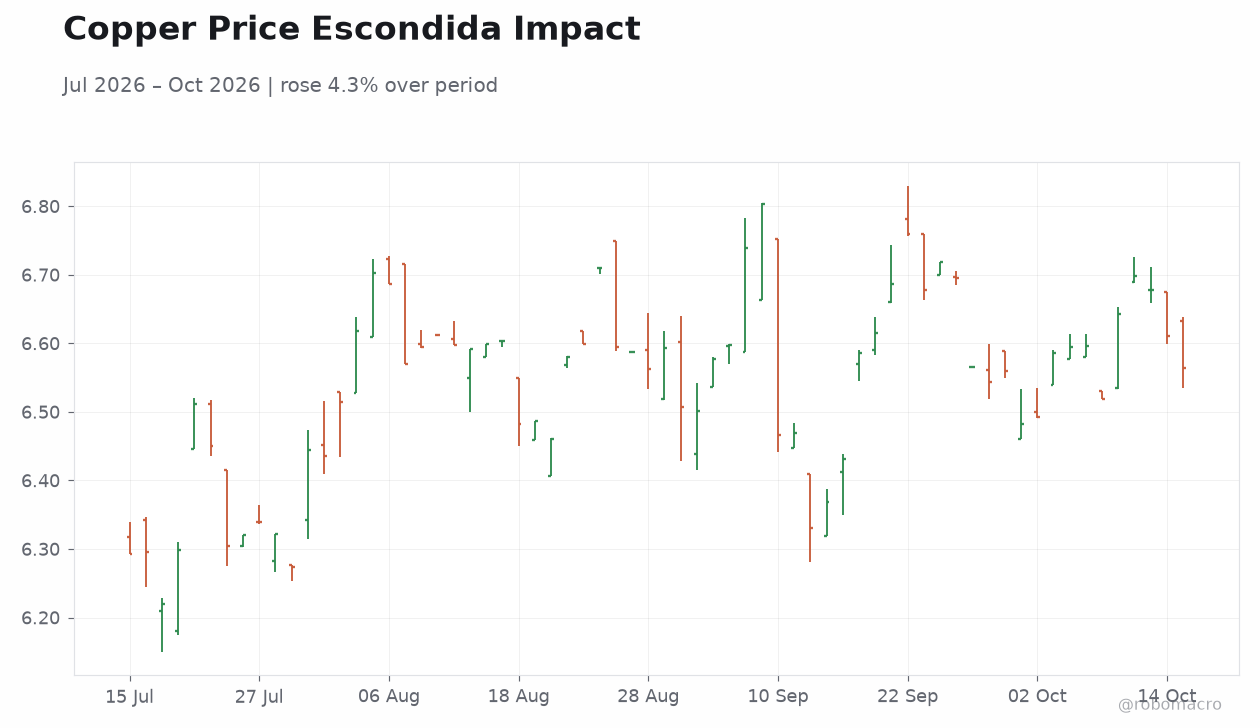
| Copper | 6.56 | -0.84% |
| Gold | 4,178.80 | +1.73% |
| Brent Crude | 104.59 | -1.39% |
| Bitcoin | 80,929.73 | -0.78% |
| Colombia 10Y Govt Yield | - | - |
| Peru 10Y Govt Yield | - | - |
Prior Economic Events
| Data | Prior | Cons | Actual |
|---|---|---|---|
| No events available | |||
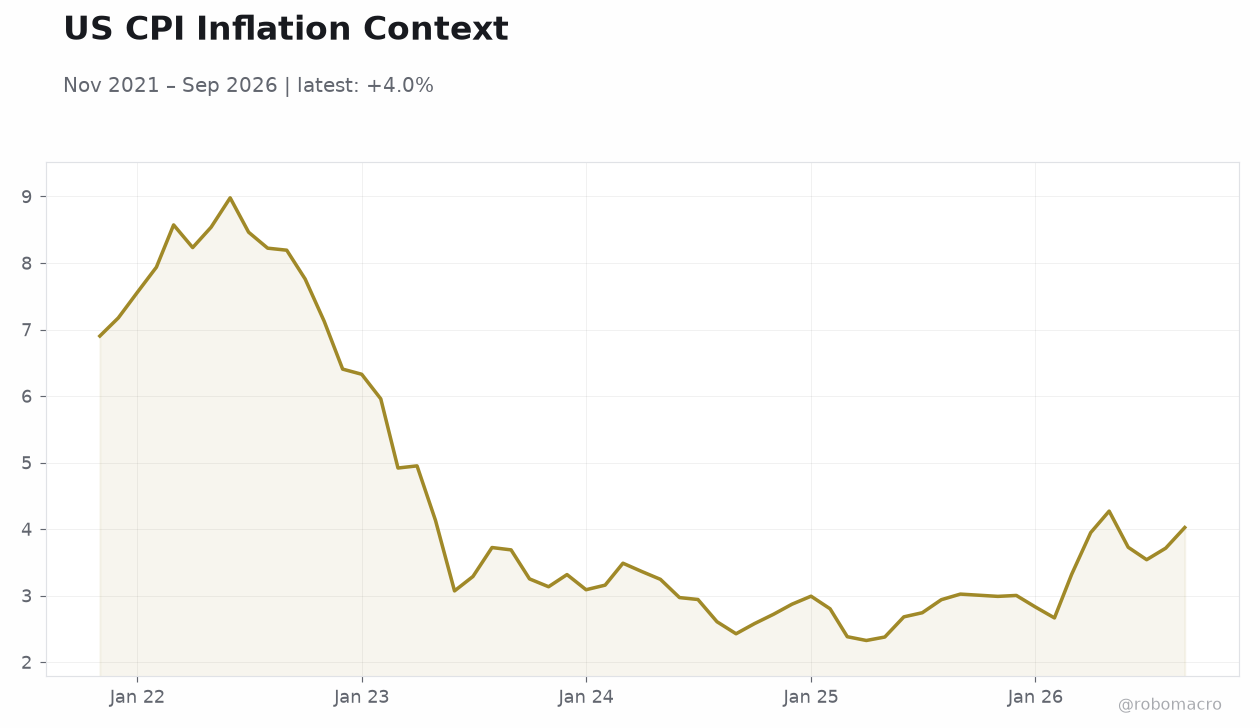 US CPI Inflation Context | Type: macro_line | US CPI All Urban Consumers: 4.023 (2026-09-01) | Range: 2.325–8.979 | Trend(6pt): 6.902,6.327,3.487,2.377,3.713,4.023
Today's Economic Events
| Data | Prior | Cons | Time |
|---|---|---|---|
| No events available | |||
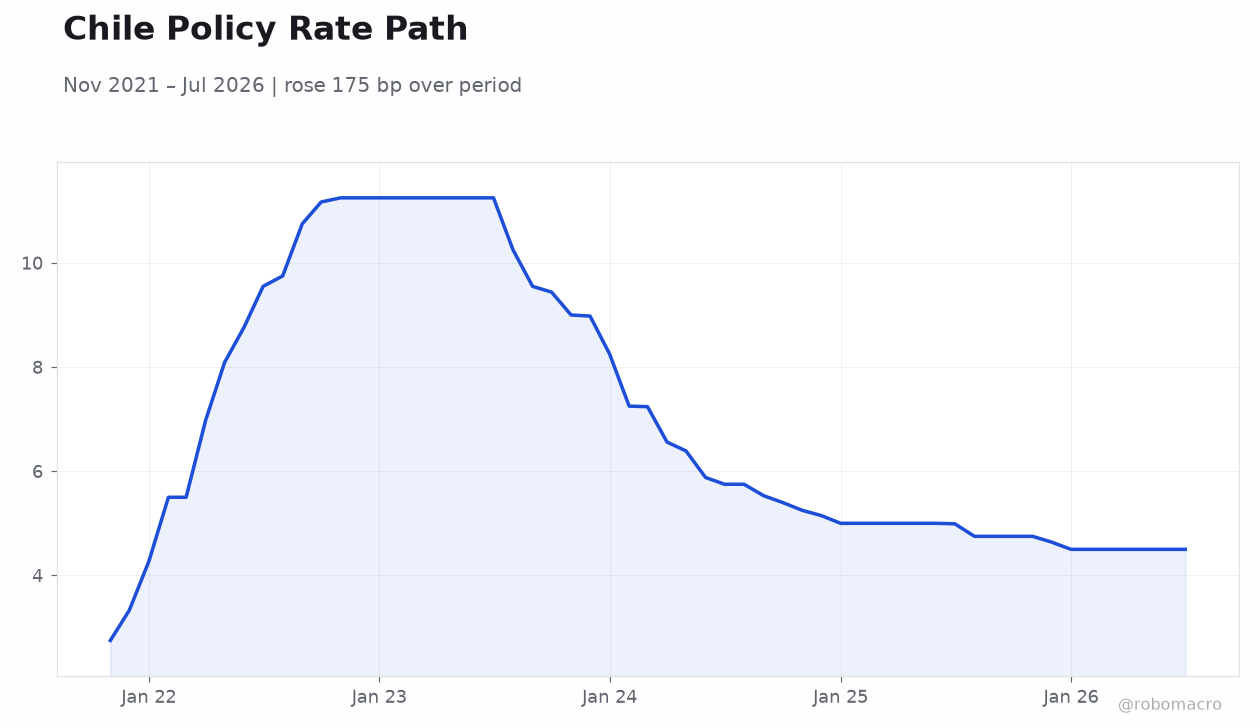
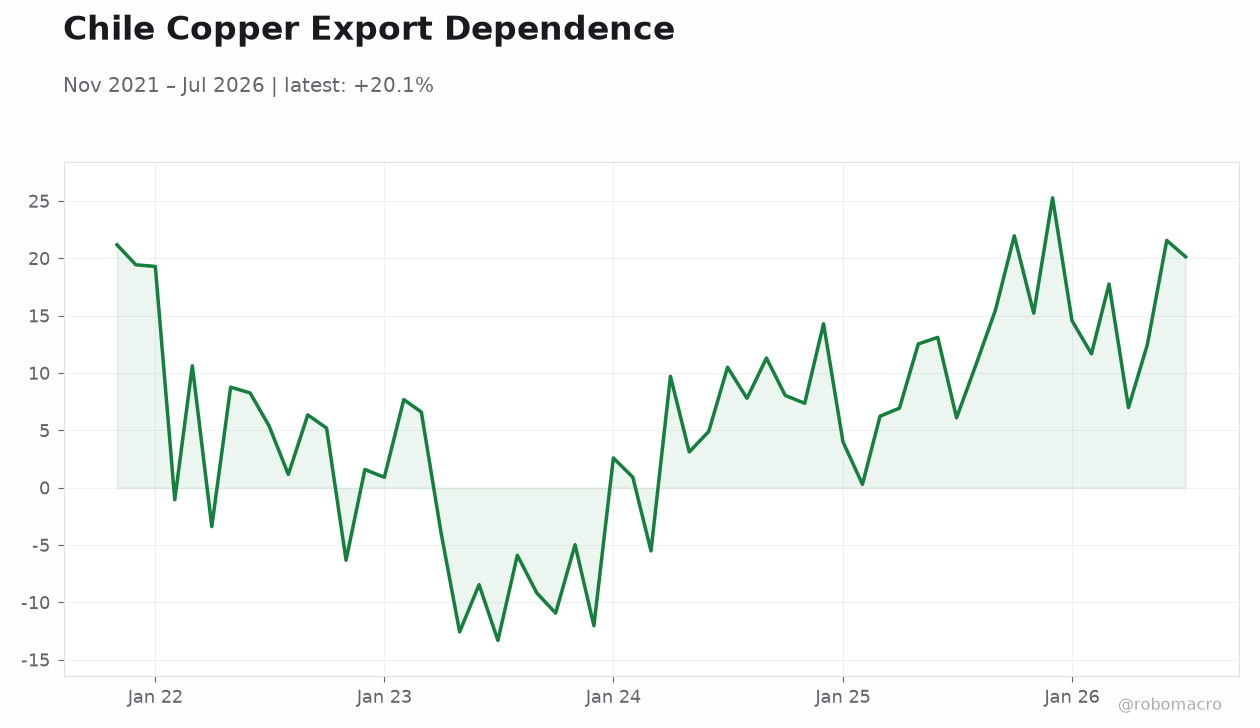
- Copper workers at Escondida strike, pressuring Chile's export outlook as MSCI Chile falls 1.26% and CLP holds near 981.63/USD.
- MSCI Peru drops 1.66%, the region's worst performer, while PEN edges weaker at 3.43/USD.
- Colombia's peso firms 0.26% to 3,180.40/USD as De la Espriella faces first major street protests two months into his term.
Yesterday's Recap
Andean equities diverged sharply on October 14, with Peru underperforming as the MSCI Peru index fell 1.66% to 88.78, while Colombia's MSCI Colombia was flat at 9.02. Chile's MSCI Chile declined 1.26% to 36.92, weighed down by the strike at the world's largest copper mine, Escondida, where workers walked out Wednesday after pay talks with operator BHP collapsed. The COP was the region's strongest currency, appreciating 0.26% to 3,180.40/USD.
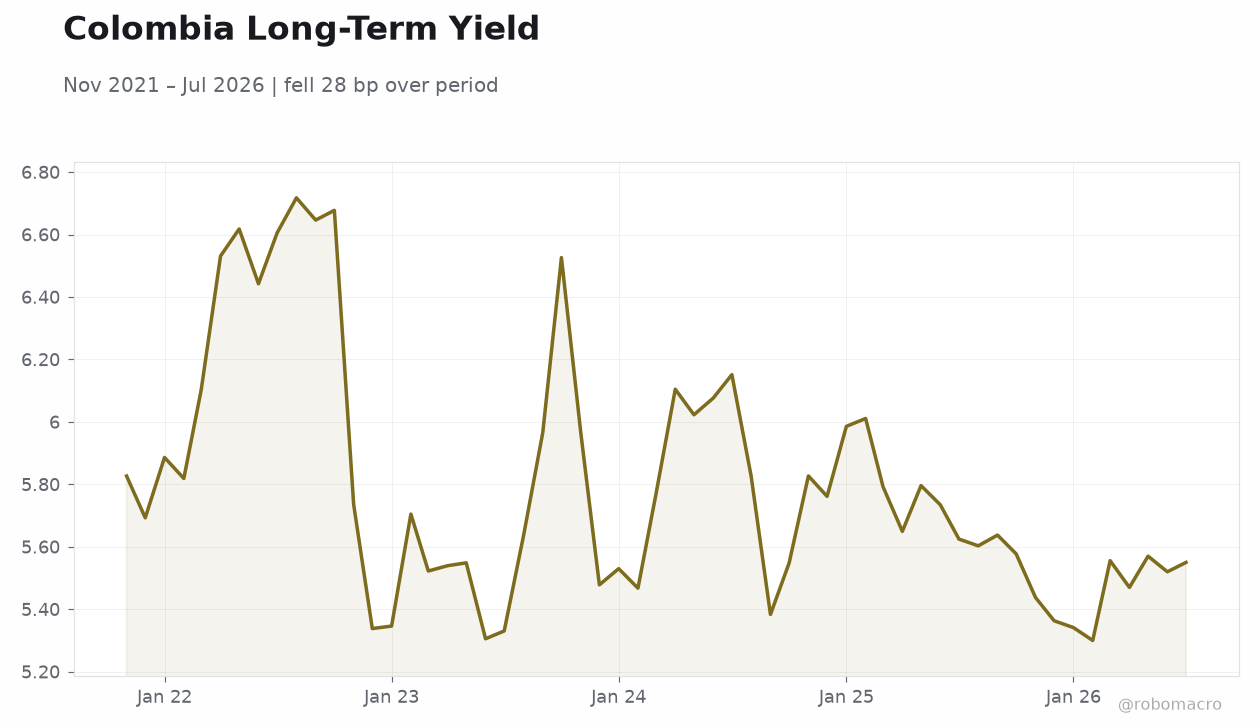
CLP was essentially flat, easing just 0.03% to 981.63/USD, as copper's 0.84% decline to 6.56 was cushioned by gold's 1.73% rally to 4,178.80 — a relevant offset given Chile's diversified mining base. PEN weakened 0.14% to 3.43/USD, tracking the equity sell-off. In Colombia, thousands marched in Bogotá on October 14 in the first major nationwide protest against President De la Espriella's two-month-old right-wing government, raising the political-risk premium on sovereign spreads.
Chilean lawmakers separately demanded explanations from regulators over pension funds' massive bets on US interest rates, adding governance scrutiny to the AFP system.
The Day Ahead
Today's calendar is thin on scheduled Andean data releases, leaving markets to trade on the Escondida strike's duration and its implications for Chilean copper output and export receipts. Attention stays on the COP after its firming, with investors watching whether De la Espriella's government offers concrete reform concessions to defuse protest momentum. Chilean pension-fund regulators face pressure to clarify duration exposures, a story that could shape flows into local fixed income.
Peruvian assets remain sensitive to copper direction after Wednesday's 0.84% decline, with any escalation or resolution at Escondida the key swing factor for both CLP and the Santiago bourse. Broader EM sentiment will be set by the dollar's trajectory and Brent crude, which fell 1.39% to 104.59 — a mixed signal for Colombia's fiscal terms.
Other Economic Notes
Colombia's political calendar is now the dominant domestic variable, with the October 14 protests the first real test of De la Espriella's mandate; the administration's response on pension and labour reform will determine whether street pressure translates into policy paralysis or a credible legislative agenda. ↓ p.2