Argentina Macro Daily(Beta Mode)
MERVAL Falls as Peso Holds Near 1,527
Market Snapshot
| Asset | Level | Change |
|---|---|---|
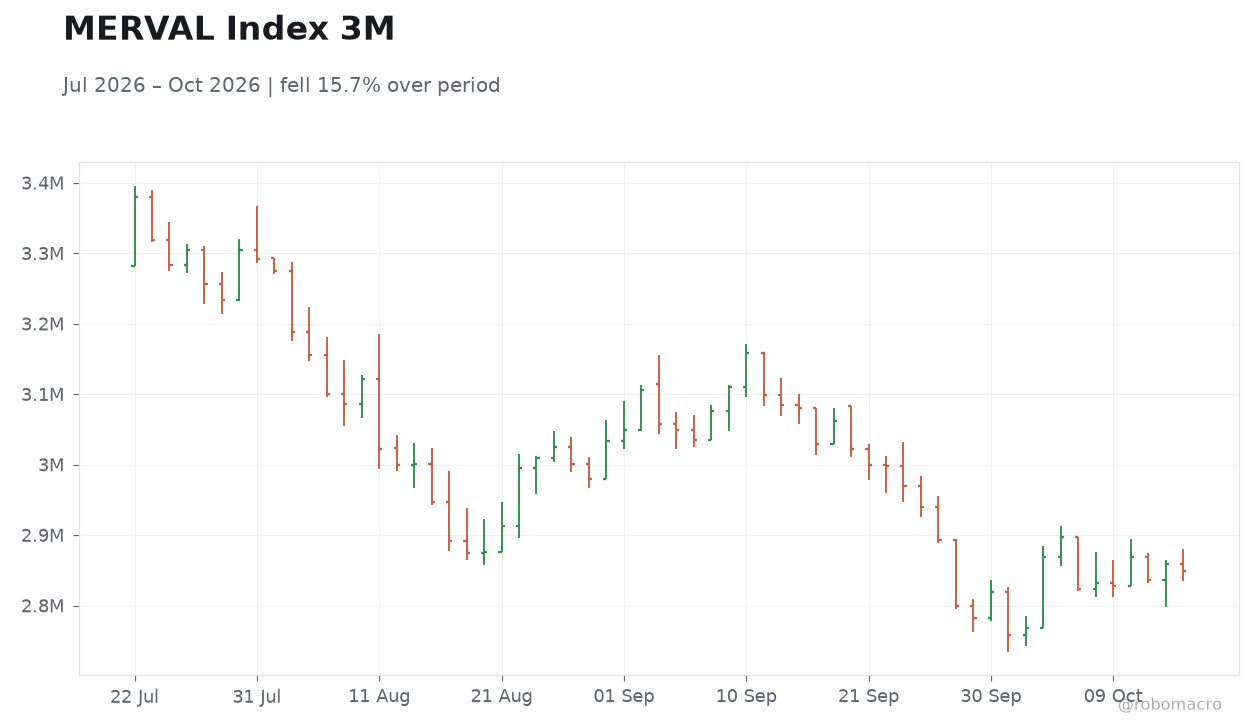
| MERVAL | 2,848,945.00 | -0.35% |
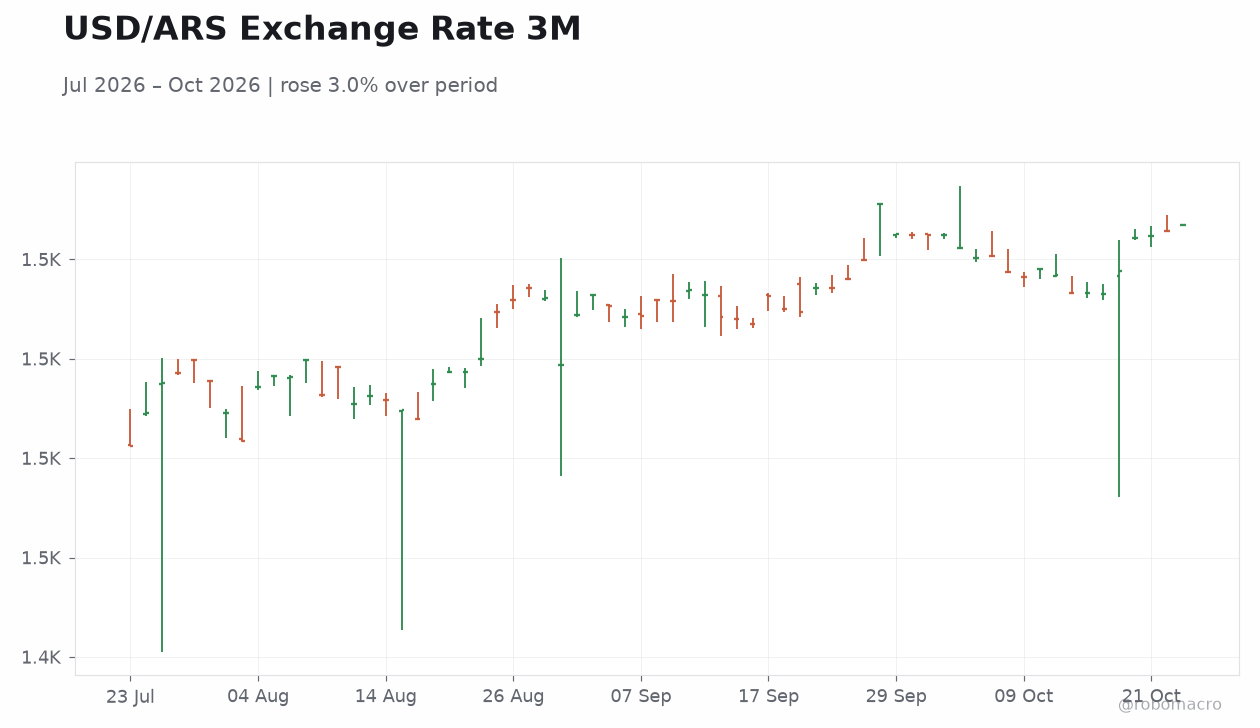
| USD/ARS | 1,527.00 | +0.08% |
| EUR/ARS | 1,712.45 | -0.10% |
| Gold | 4,040.70 | -0.49% |
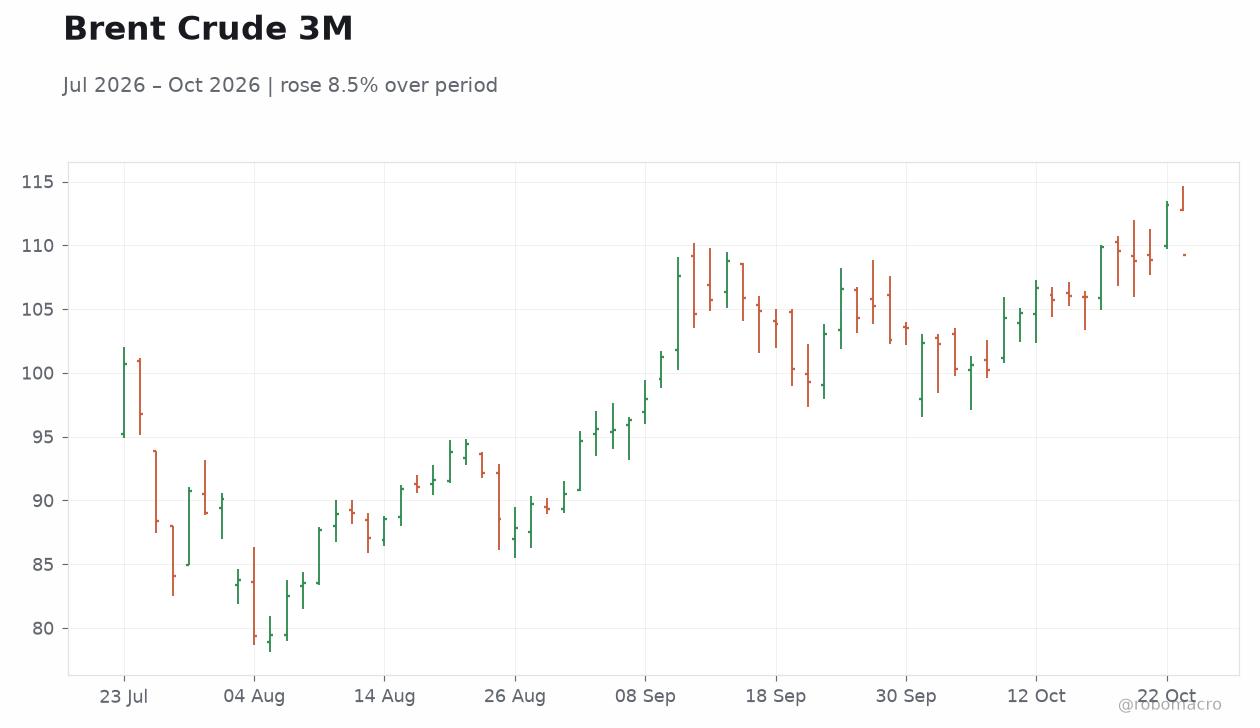
| Brent Crude | 109.18 | -3.53% |
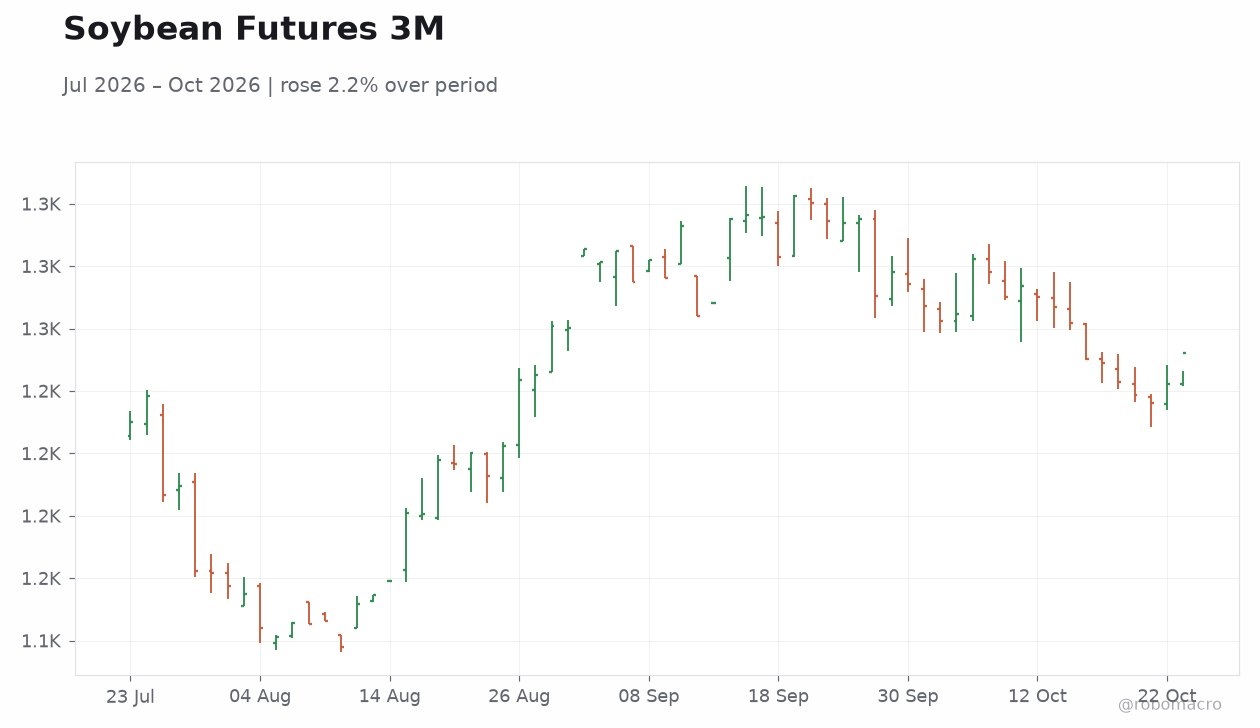
| Soybean | 1,265.25 | +0.98% |
| Bitcoin | 81,669.51 | +0.44% |
| Argentina 10Y | - | - |
Prior Economic Events
| Data | Prior | Cons | Actual |
|---|---|---|---|
| No events available | |||
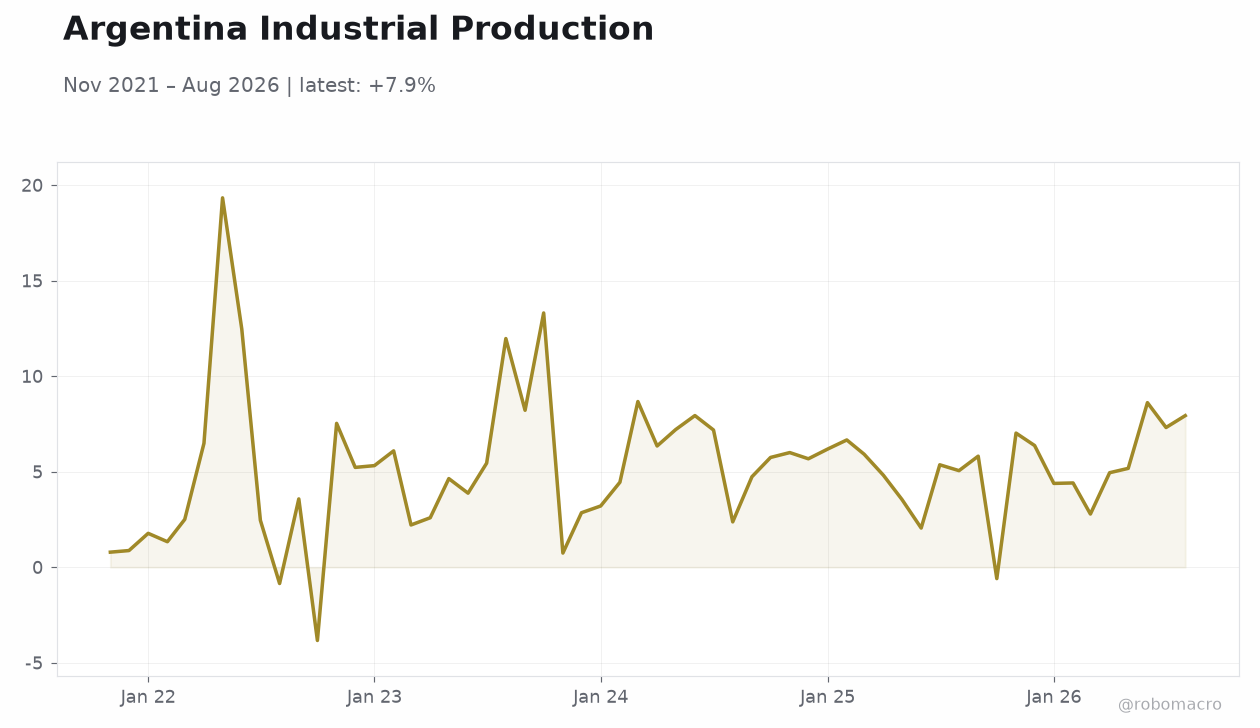 Argentina Industrial Production | Type: macro_line | IP YoY %: 7.935 (2026-08-01) | Range: -3.835–19.33 | Trend(6pt): 0.7882,5.318,8.671,3.545,7.313,7.935
Today's Economic Events
| Data | Prior | Cons | Time |
|---|---|---|---|
| No events available | |||
- MERVAL fell 0.35% to 2,848,945 amid stable USD/ARS at 1,527.00
- Soybean prices rose 0.98% while Brent crude dropped 3.53%, supporting export outlook
- Argentina 10-year bonds showed no quoted change as CPI held at 33.5% YoY
Yesterday's Recap
Argentine equity markets closed lower with the MERVAL index declining 0.35 percent to 2,848,945. The peso traded in a narrow range, posting a modest 0.08 percent gain against the dollar at 1,527.00. Soybean futures advanced nearly 1 percent, offering support to export revenues, while Brent crude prices fell over 3.5 percent.
EUR/ARS eased 0.10 percent to 1,712.45. Bitcoin rose 0.44 percent, providing limited offset to local equity weakness. Gold declined 0.49 percent to 4,040.70.
No major data prints emerged from official sources, leaving market moves driven by commodity price shifts and regional sentiment. Broader EM currency moves, including record lows for the Philippine peso after a rate hike, highlighted external pressures that could spill into Argentine flows.
The Day Ahead
The domestic calendar remains empty of scheduled releases, directing attention to external drivers. Traders will monitor soybean export flows and any updates on fiscal consolidation targets under the current IMF programme. Global commodity volatility, particularly in energy, could influence peso flows.
Market participants await any routine BCRA liquidity operations or reserve management signals. Focus stays on peso stability and potential spillover from emerging-market currency pressures elsewhere. Regional easing signals from Turkey and Vietnam contrast with tightening moves in the Philippines, underscoring divergent paths that may affect capital allocation toward higher-yielding assets such as Argentine bonds.
Other Economic Notes
Persistent inflation at 33.5 percent year-over-year continues to shape real wage dynamics and consumption patterns. Fiscal consolidation efforts remain central to restoring market access and containing peso depreciation risks. Soybean export performance offers a key buffer for current-account balances amid subdued domestic demand.
Broader EM currency volatility underscores the need for steady reserve accumulation by Argentine authorities. German economic stagnation and rising energy costs point to weaker external demand for Argentine commodities, while UK inflation surprises have intensified debate over Bank of England policy, potentially influencing global rate expectations.