Emerging Europe Macro Daily(Beta Mode)
Poland CPI Preview Looms as Defense Costs Rise
Market Snapshot
| Asset | Level | Change |
|---|---|---|
| BIST 100 | 12,899.40 | +0.09% |
| iShares Poland | 44.85 | +0.29% |
| EUR/PLN | 4.37 | -0.09% |
| EUR/HUF | 365.26 | +0.08% |
| EUR/CZK | 24.37 | -0.09% |
| USD/TRY | 48.97 | +0.05% |
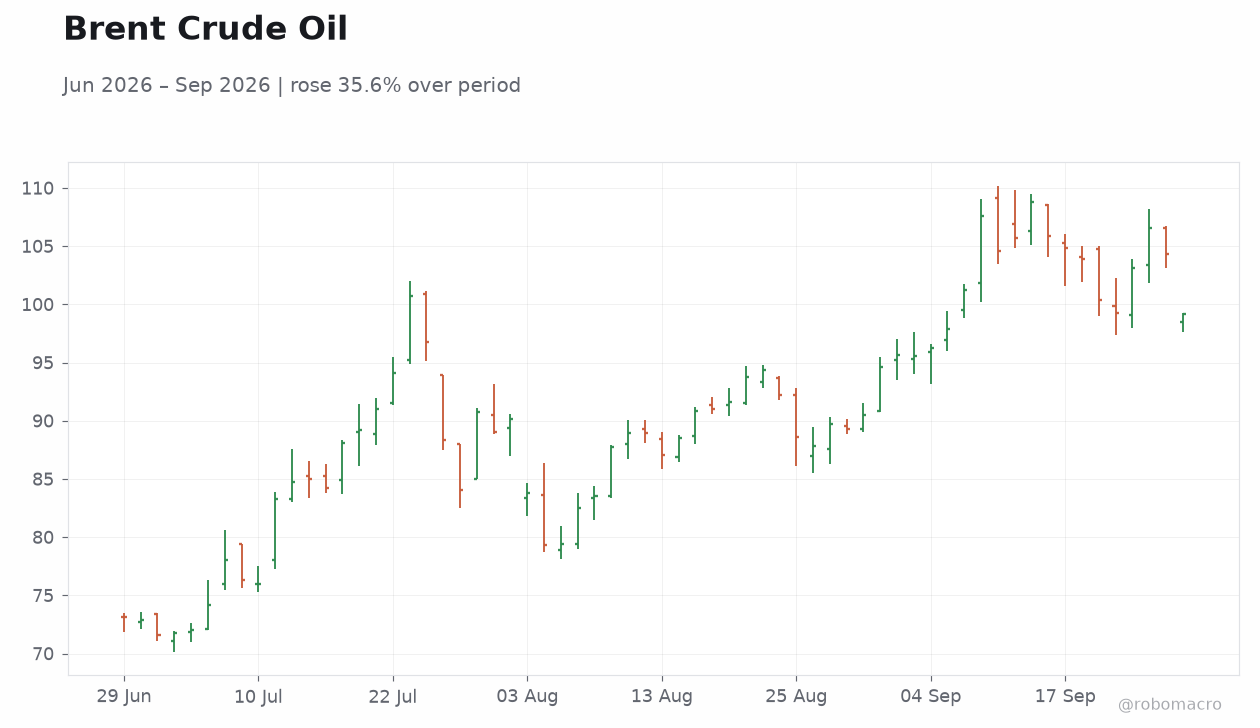
| Brent Crude | 99.15 | -4.96% |
| Gold | 4,231.00 | -2.09% |
| Bitcoin | 83,297.28 | -1.31% |
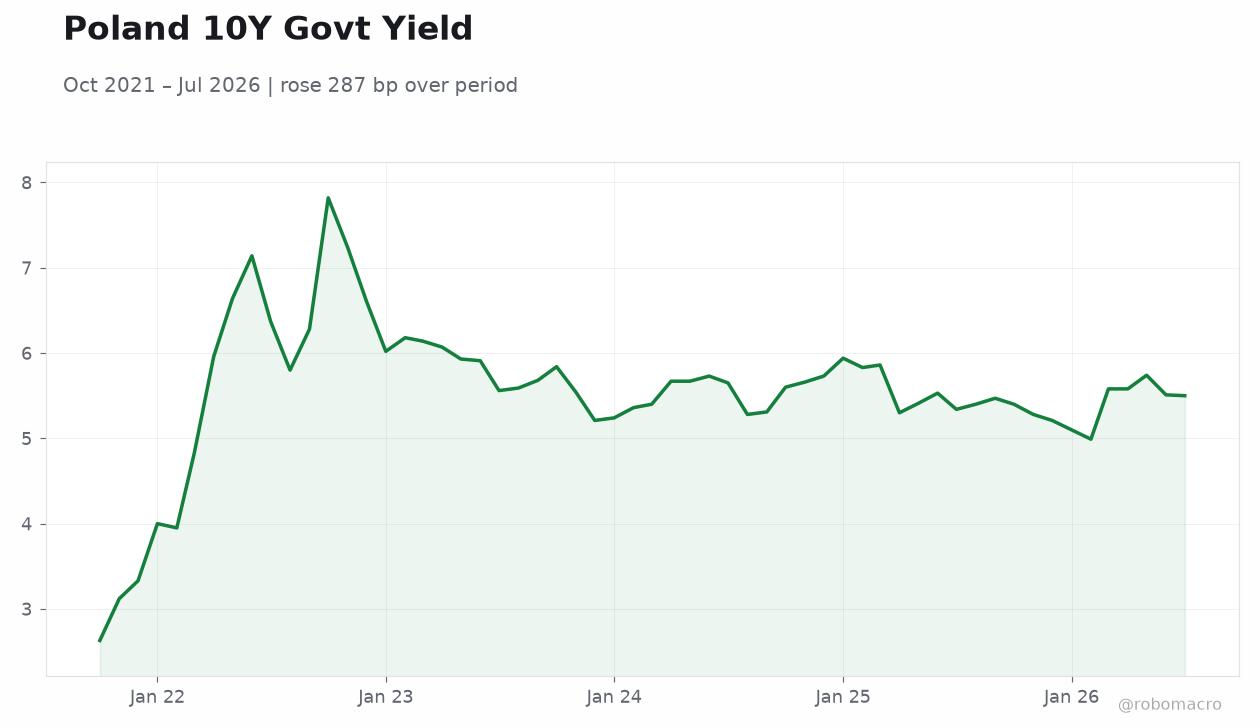
| Poland 10Y Govt Yield | - | - |
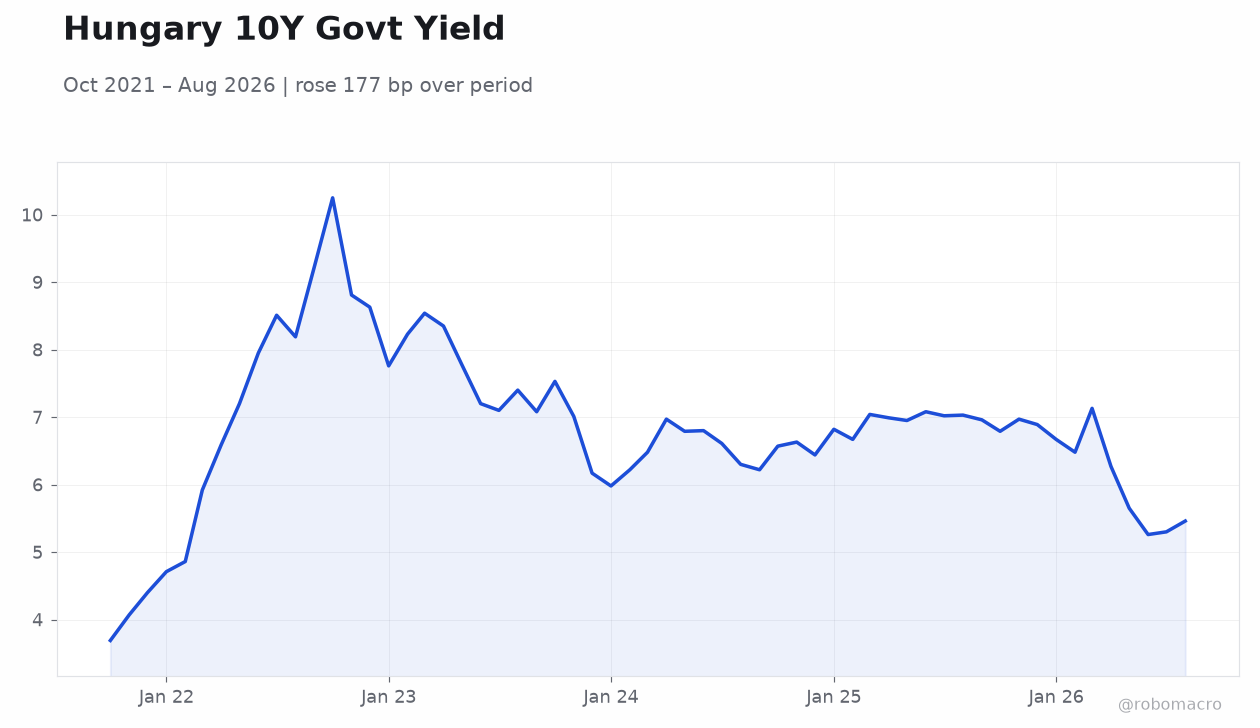
| Hungary 10Y Govt Yield | - | - |
Prior Economic Events
| Data | Prior | Cons | Actual |
|---|---|---|---|
| No events available | |||
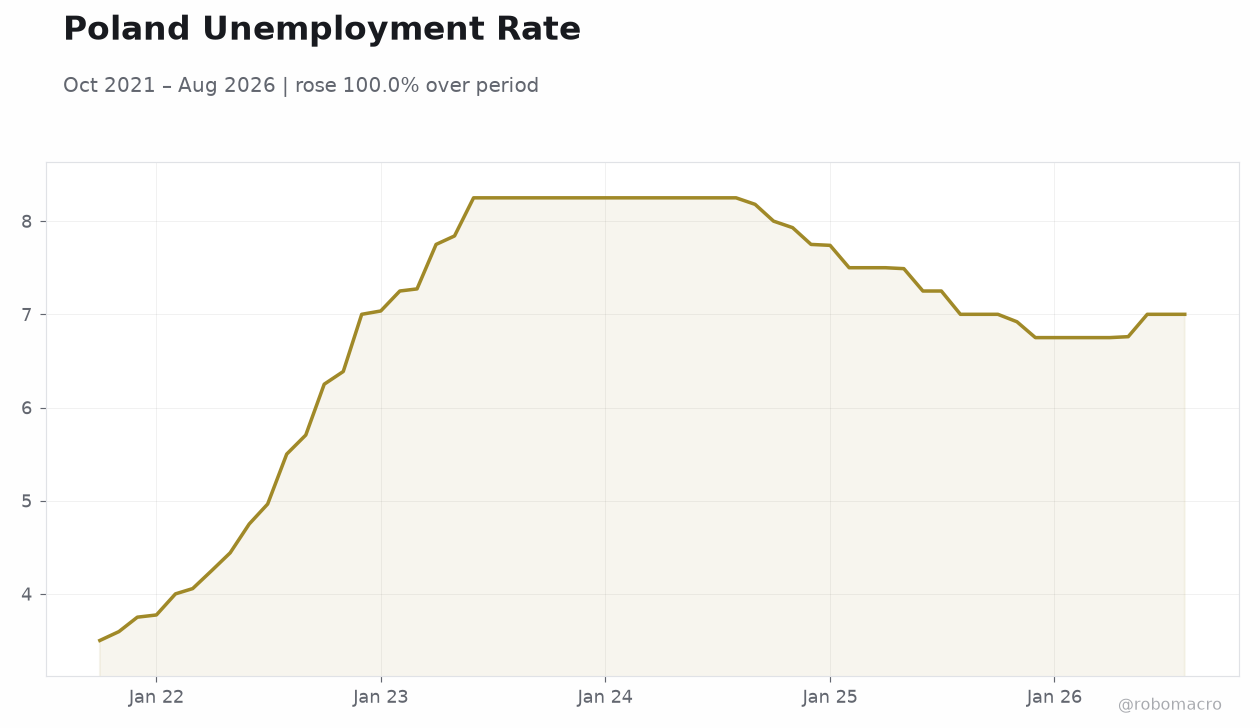 Poland Unemployment Rate | Type: macro_line | Unemployment %: 7 (2026-08-01) | Range: 3.5–8.25 | Trend(5pt): 3.5,7,8.25,7.5,7
Today's Economic Events
| Data | Prior | Cons | Time |
|---|---|---|---|
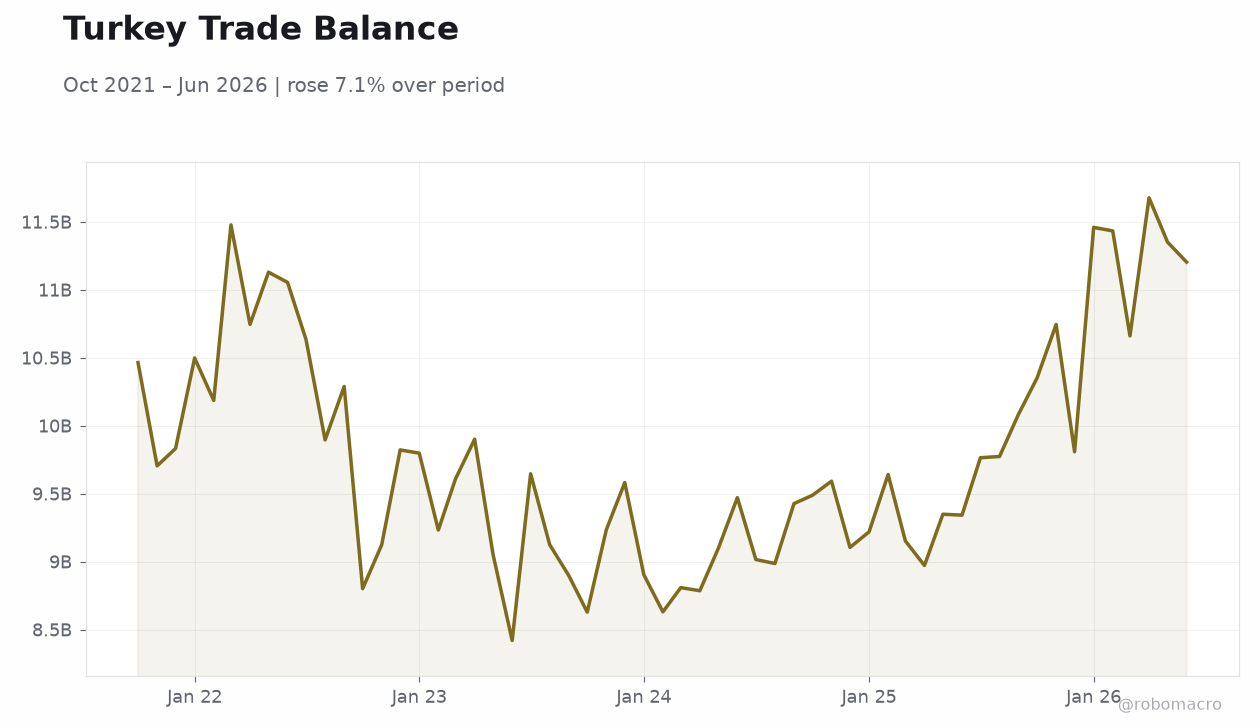
| Balance of Trade Final | -7,340m | -5,240m | 23:00 |
| Headline Unemployment Rate | 8.10 | - | 23:00 |
| Inflation Rate Year-over-Year Preliminary | 3.40 | 3.60 | 23:30 |
- Poland’s preliminary September CPI due tomorrow at 3.6% y/y consensus, with military spending doubling raising growth risks.
- Turkey final trade balance and unemployment data also scheduled, feeding CBRT inflation monitoring amid USD/TRY at 48.97.
- CEE equities mixed with BIST 100 +0.09% and iShares Poland +0.29%, while EUR/PLN eased 0.09% to 4.37.
Yesterday's Recap
No economic releases occurred across Poland, Czech Republic, Hungary, Romania or Turkey on 27 September. BIST 100 closed at 12,899.40, up 0.09%, while iShares Poland rose 0.29% to 44.85. EUR/PLN fell 0.09% to 4.37, EUR/CZK slipped 0.09% to 24.37 and EUR/HUF edged 0.08% higher to 365.26.
USD/TRY ticked up 0.05% to 48.97. Brent crude dropped 4.96% to 99.15 and gold declined 2.09% to 4,231.00. Multiple reports highlighted Poland more than doubling military spending, creating medium-term growth risks, alongside readiness to build a Patriot missile factory.
Czech opposition parties called a no-confidence vote over budget plans projecting the country’s second-largest deficit next year. Hungary’s deputy governor noted a rate cut remains possible this year if euro adoption plans advance. Poland’s SDG progress reached 36.5% of priorities on track while hydrogen transport cooperation advanced between TAURON H2 and PKM Tychy.
The Day Ahead
Markets will focus on three releases due 29 September. Turkey’s final trade balance is expected at -5.24 bn USD versus prior -7.34 bn, alongside headline unemployment data. Poland’s preliminary September CPI is forecast at 3.6% y/y, up from 3.4%, providing an early read on NBP policy space.
No central-bank meetings or sovereign auctions are scheduled. The Polish print will be scrutinised for any signal on inflation persistence amid elevated defense outlays. Turkish figures will directly inform CBRT inflation targeting amid structurally high price pressures.
Reus airport recovery of Poland routes after four years adds minor transport-sector color but carries negligible macro weight.
Other Economic Notes
Poland’s rapid military expansion, now exceeding double prior levels, risks crowding out private investment and widening the current-account gap despite strong EU fund inflows. Czech budget slippage has triggered political friction, with opposition targeting the second-largest shortfall next year and threatening fiscal credibility. Hungary’s forint strength has begun feeding through to lower imported inflation, supporting the case for measured MNB easing if euro-convergence criteria hold.
↓ p.2