Emerging Europe Macro Daily(Beta Mode)
BIST Climbs as CEE Currencies Steady
Market Snapshot
| Asset | Level | Change |
|---|---|---|
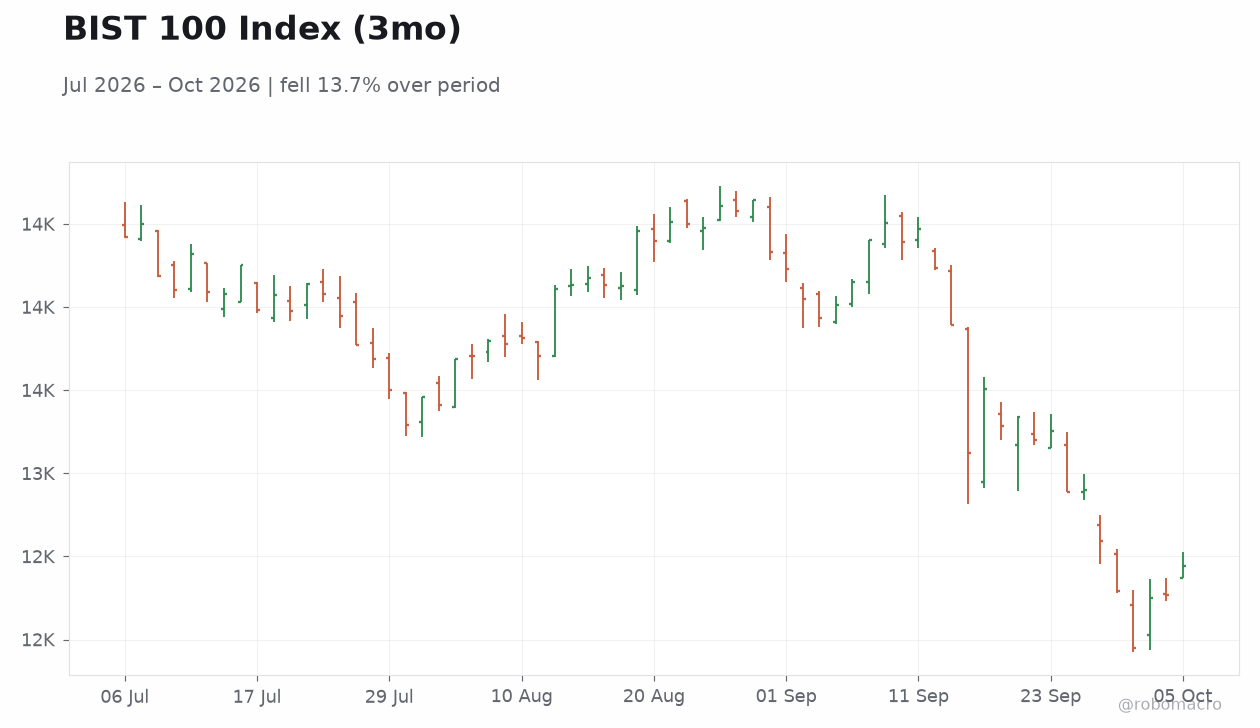
| BIST 100 | 12,443.90 | +1.42% |
| iShares Poland | 43.03 | -0.51% |
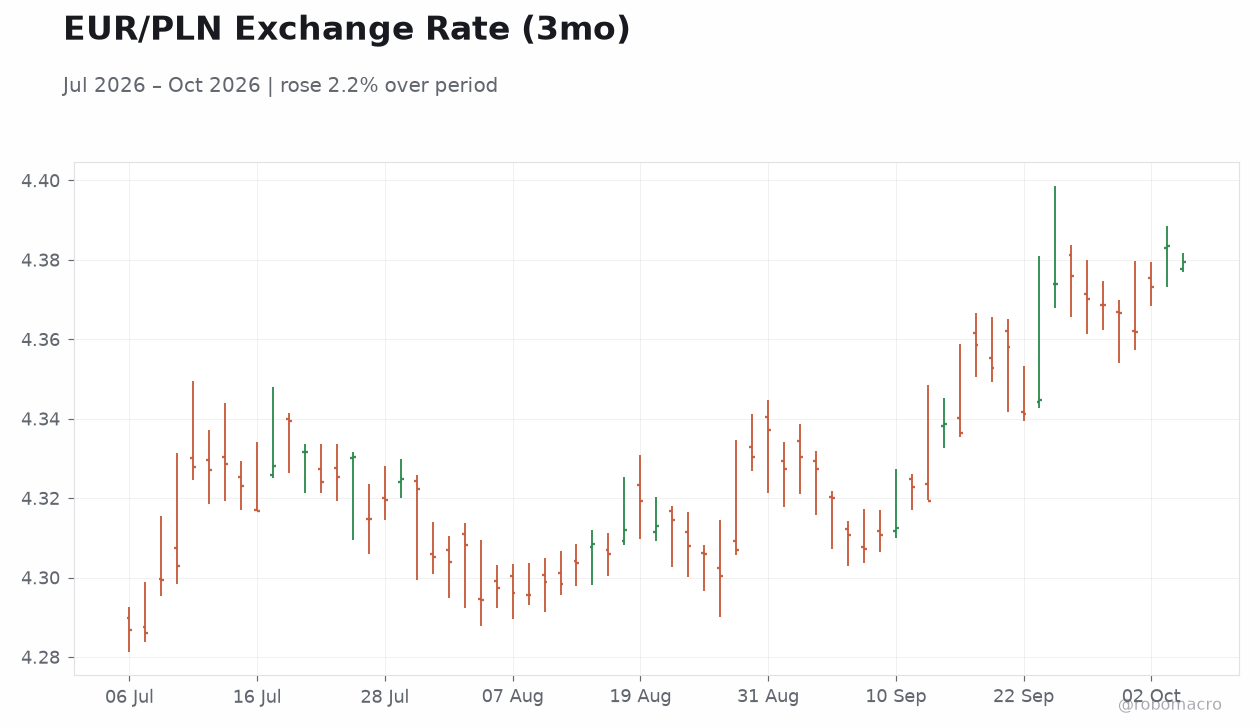
| EUR/PLN | 4.38 | -0.09% |
| EUR/HUF | 367.06 | -0.21% |
| EUR/CZK | 24.45 | +0.17% |
| USD/TRY | 49.16 | +0.01% |
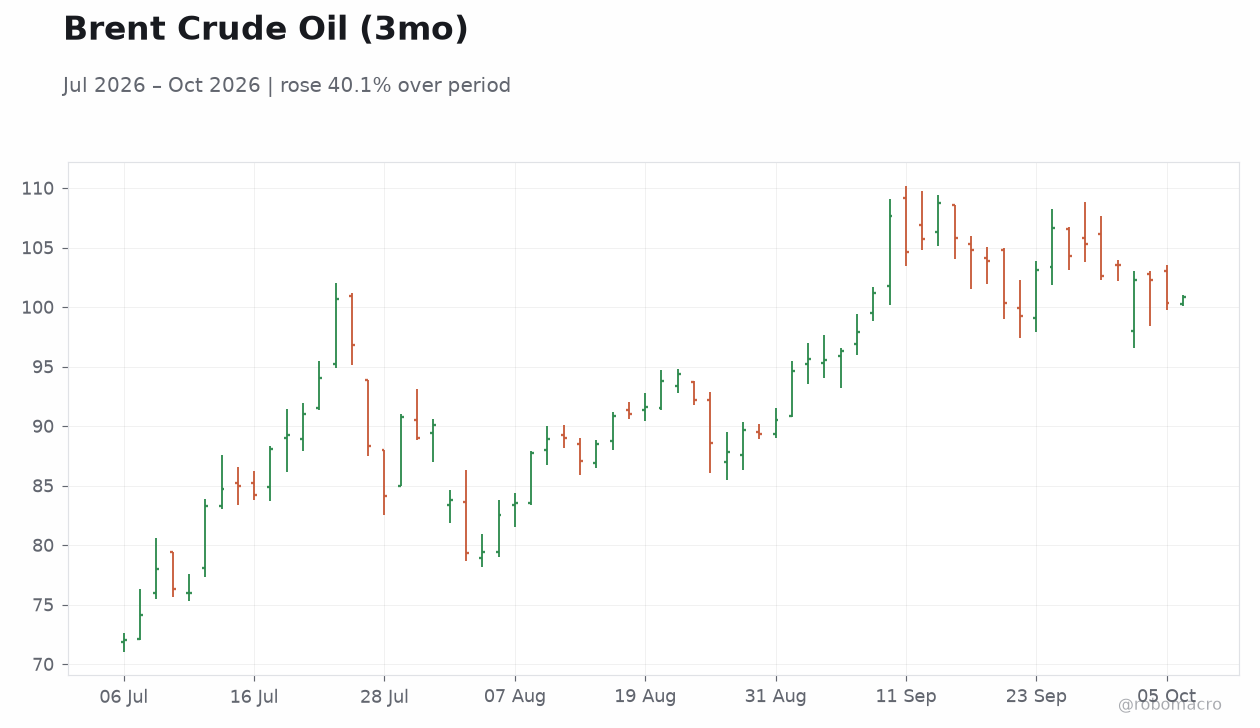
| Brent Crude | 100.83 | +0.51% |
| Gold | 4,149.90 | -0.17% |
| Bitcoin | 85,689.70 | -0.91% |
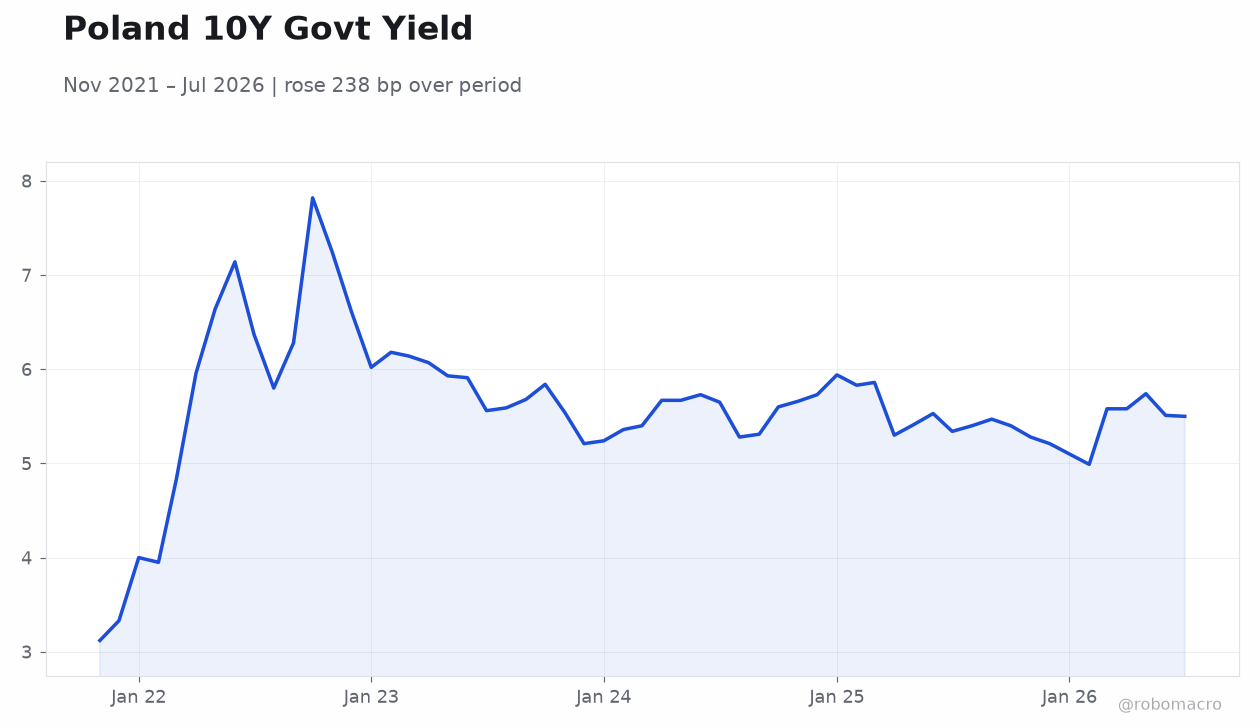
| Poland 10Y Govt Yield | - | - |
| Hungary 10Y Govt Yield | - | - |
Prior Economic Events
| Data | Prior | Cons | Actual |
|---|---|---|---|
| No events available | |||
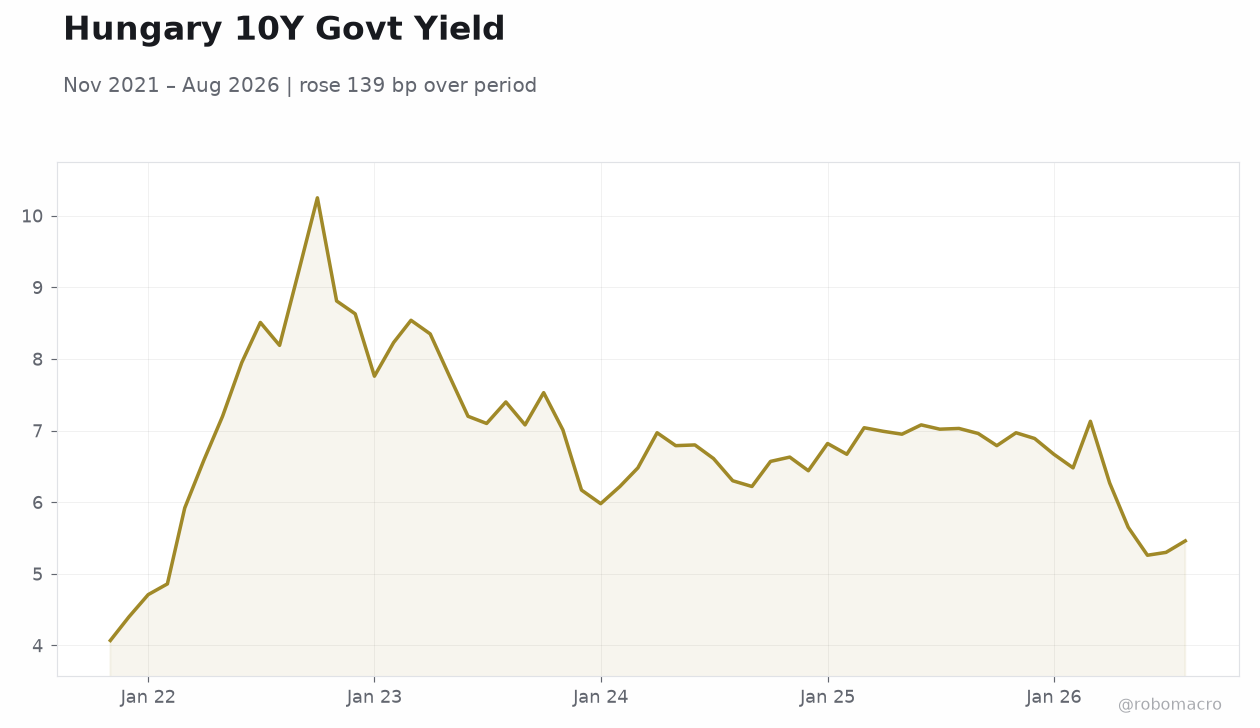 Hungary 10Y Govt Yield | Type: macro_line | Yield %: 5.46 (2026-08-01) | Range: 4.07–10.25 | Trend(6pt): 4.07,7.76,6.48,6.95,5.3,5.46
Today's Economic Events
| Data | Prior | Cons | Time |
|---|---|---|---|
| No events available | |||
- BIST 100 rose 1.42% to 12,443.90 while iShares Poland fell 0.51% to 43.03 amid thin regional trading.
- EUR/PLN eased to 4.38 and EUR/HUF to 367.06; EUR/CZK edged higher to 24.45 with USD/TRY stable at 49.16.
- No macro releases occurred across Poland, Czech Republic, Hungary, Romania or Turkey; Brent crude gained 0.51% to 100.83.
Yesterday's Recap
Regional equity markets showed divergence with Turkish shares outperforming while Polish exposure declined modestly. Currency moves remained contained, with the zloty and forint posting small gains against the euro and the koruna softening slightly. Brent crude advanced on supply concerns, providing support to energy-sensitive assets in the region.
No CPI, GDP, industrial production or labor-market prints were released in any of the five economies, leaving market participants without fresh domestic data. Gold and Bitcoin both edged lower, reflecting broader risk-off sentiment in non-yielding assets. Sovereign bond yields were not reported, limiting visibility on local fixed-income flows.
Overall activity stayed subdued as investors awaited clearer signals from euro-area and US policy developments. Poland remains the largest CEE economy and continues to anchor regional growth through its diversified export base and EU fund absorption. Energy import dependence continues to expose Hungary and the Czech Republic to Brent price swings, while Romania’s external position benefits from lower gas reliance.
The Day Ahead
The calendar remains empty for October 6-7 with no scheduled releases or central-bank meetings in Poland, Czech Republic, Hungary, Romania or Turkey. Markets will therefore focus on external drivers, including any euro-area commentary and US data that could influence ECB spillovers. Regional FX desks are likely to monitor EUR/USD direction given the close trade linkages of the four EU members.
Turkish assets may continue to track global oil prices and domestic political developments. Limited liquidity is expected ahead of the weekend, with attention turning to next week’s potential ECB signals. Turkey’s structurally higher inflation keeps its policy path distinct from the EU-4 convergence track.
EU accession criteria and euro-adoption timelines remain medium-term focal points for the four member states, with fiscal discipline and inflation alignment still required.
Other Economic Notes
Poland remains the largest CEE economy and continues to anchor regional growth through its diversified export base and EU fund absorption. ↓ p.2