India Macro Daily(Beta Mode)
Rupee Rallies as RBI Defends; CPI at 5.54%
Market Snapshot
| Asset | Level | Change |
|---|---|---|
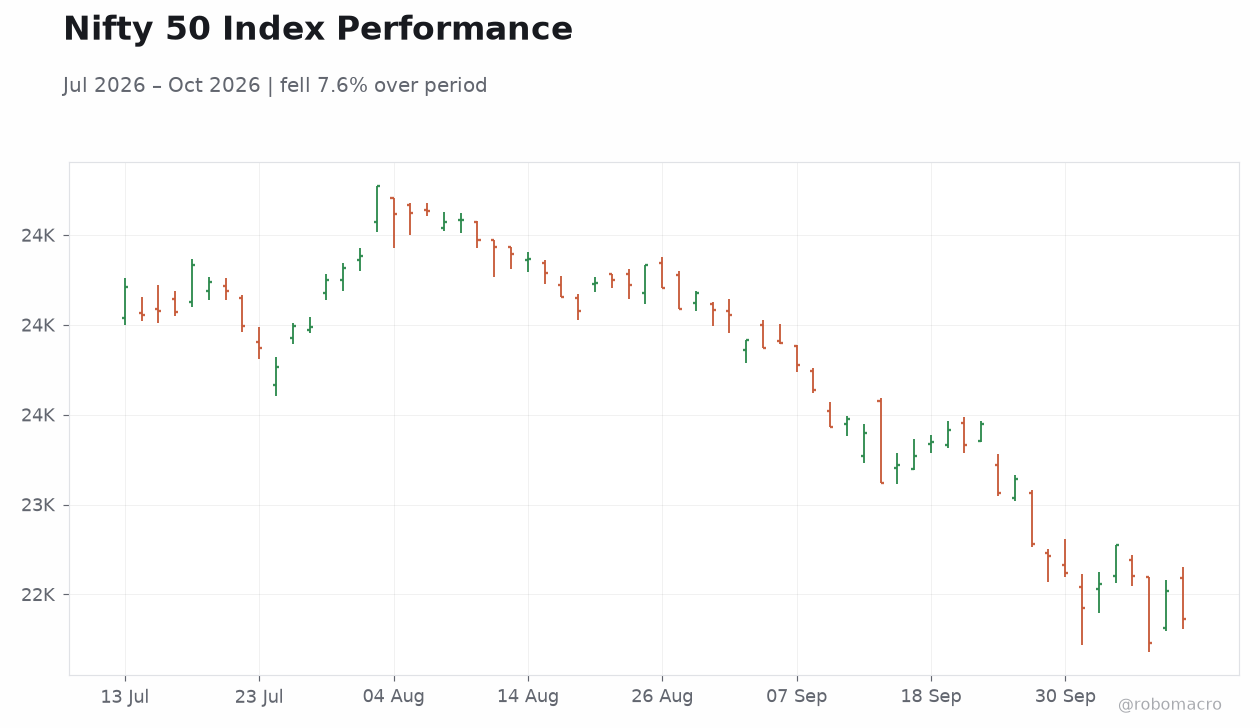
| Nifty 50 | 22,363.35 | -0.70% |
| Sensex | 71,924.68 | -0.76% |
| USD/INR | 95.78 | -1.03% |
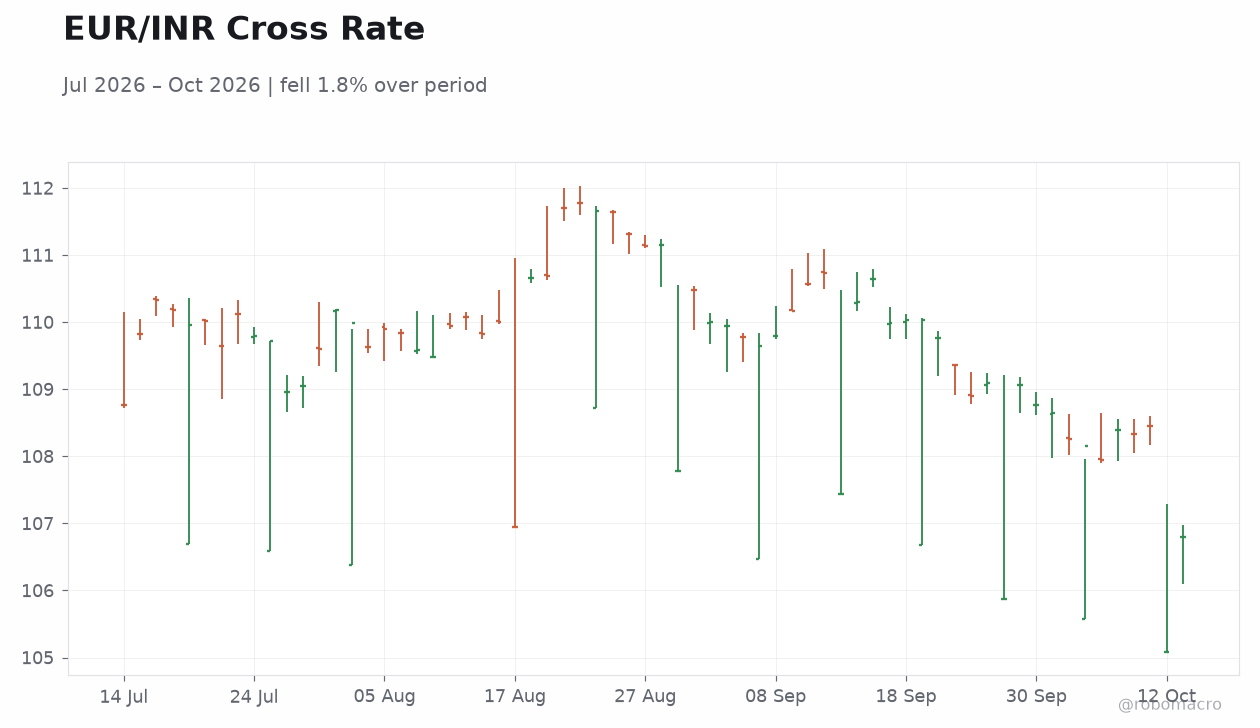
| EUR/INR | 106.80 | +1.64% |
| Reliance | 1,166.70 | -0.31% |
| HDFC Bank | 714.00 | +0.95% |
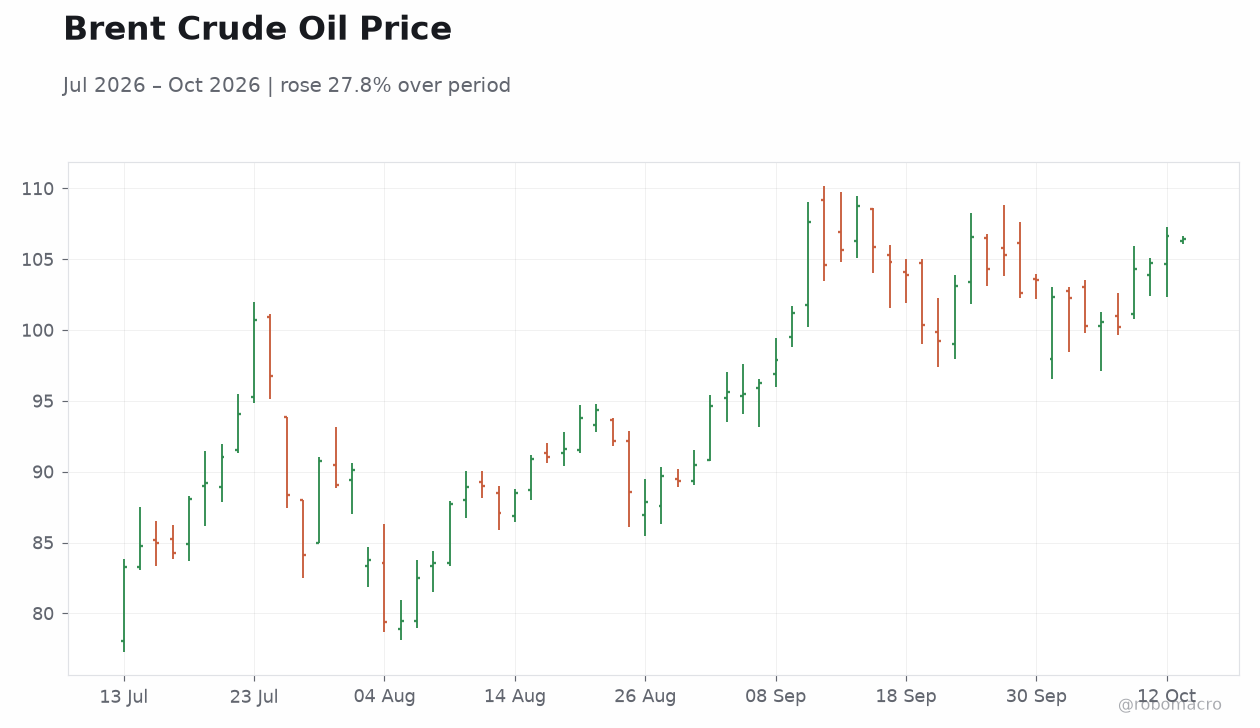
| Brent Crude | 106.45 | -0.19% |
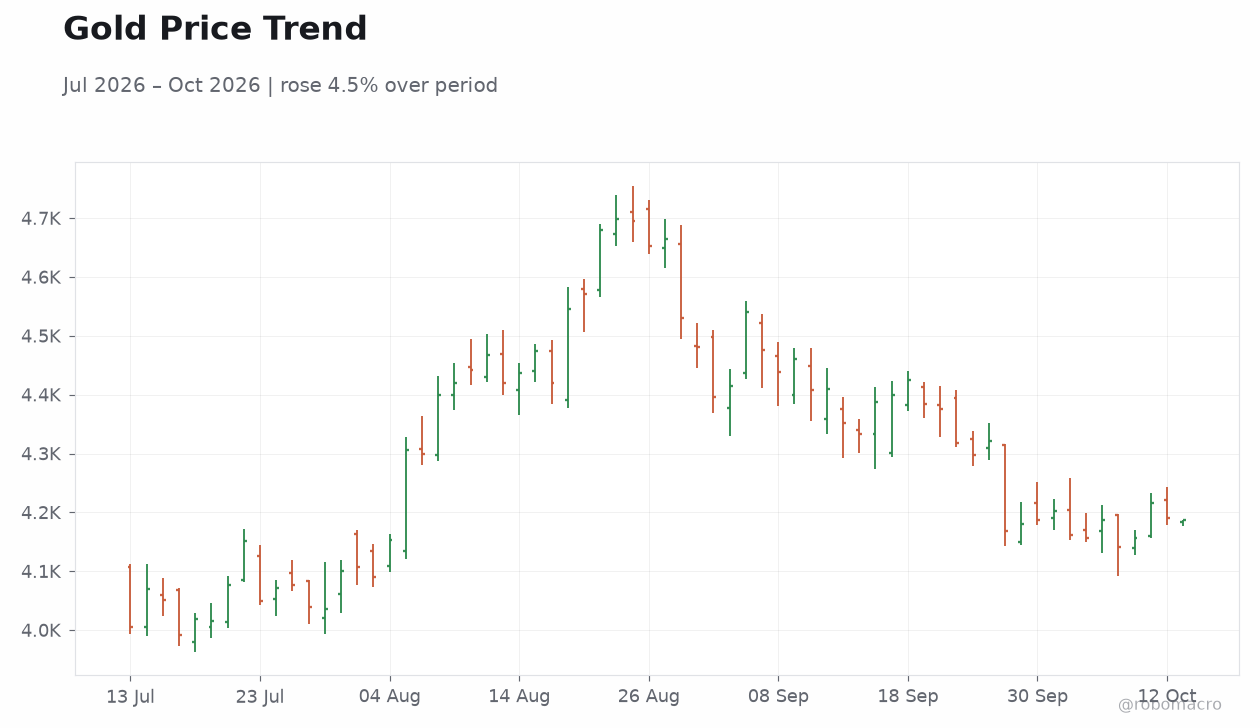
| Gold | 4,185.10 | -0.13% |
| Bitcoin | 83,426.88 | +2.04% |
| India 2Y Govt Yield | - | - |
| India 10Y Govt Yield | - | - |
Prior Economic Events
| Data | Prior | Cons | Actual |
|---|---|---|---|
| Inflation Rate Year-over-Year | 4.82 | 5.40 | 5.54 |
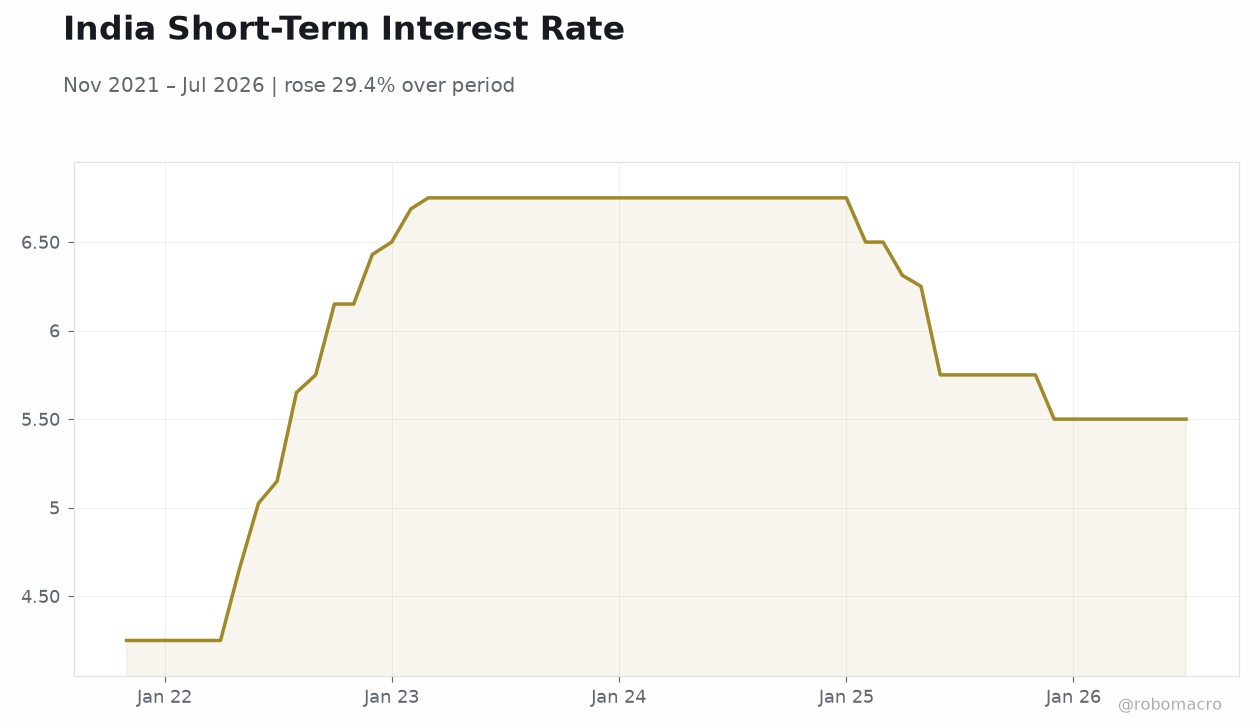 India Short-Term Interest Rate | Type: macro_line | Short-Term Rate (%): 5.5 (2026-07-01) | Range: 4.25–6.75 | Trend(5pt): 4.25,6.5,6.75,6.25,5.5
Today's Economic Events
| Data | Prior | Cons | Time |
|---|---|---|---|
| No events available | |||
- RBI's rupee-defence package lifted USD/INR 1.03% lower to 95.78, with offshore NDF markets following the spot rally
- CPI printed 5.54% YoY, above consensus of 5.4% and up from 4.82% prior, complicating the rate-cut calculus
- Equities wobbled: Nifty 50 fell 0.70% to 22,363 and Sensex lost 0.76% to 71,925 as bond yields rose on liquidity measures
Yesterday's Recap
India's inflation print dominated Monday's session, with CPI rising to 5.54% year-on-year against consensus of 5.4% and a prior reading of 4.82% — a figure that sits above the midpoint of the RBI's tolerance band. The hotter print arrived alongside a sweeping RBI intervention package aimed at arresting the rupee's slide, and the currency responded emphatically: USD/INR fell 1.03% to 95.78, with offshore markets strengthening in sympathy after the central bank unveiled measures to curb dollar demand. Equities, however, struggled to hold gains through the session.
The Nifty 50 closed 0.70% lower at 22,363.35 and the Sensex shed 0.76% to 71,924.68, with both indices finishing well off intraday highs — the Sensex settled roughly 950 points below its best levels. Bank stocks underperformed as RBI's liquidity-absorption measures pushed bond yields higher and weighed on net-interest-margin expectations. HDFC Bank bucked the trend, gaining 0.95% to 714.00, while Reliance slipped 0.31% to 1,166.70.
A late-session comment from Finance Minister Sitharaman on the LTCG/transaction tax briefly lifted sentiment, but the liquidity-driven rate repricing dominated the tape.
The Day Ahead
The calendar is light on scheduled macro releases Tuesday, shifting the focus squarely to market digestion of the RBI's currency measures and the inflation follow-through. Watch for the RBI's daily liquidity operations and any refinements to the rupee-defence toolkit, as banks reportedly seek operational clarity on the new measures. Currency desks will test whether the two-day rupee rebound holds or whether importers use the strength to rebuild dollar hedges.
Bond traders will track how far yields can rise before the RBI smooths supply via OMO-style operations, given the tension between currency support and liquidity drain. Equity investors await further commentary on the transaction-tax review after Sitharaman's conciliatory tone. Globally, the dollar's perch near 18-month highs remains the key exogenous variable for the rupee path.
Other Economic Notes
The inflation upside surprise reframes the near-term policy debate: with CPI at 5.54% and accelerating from 4.82%, the comfort zone for near-term easing has narrowed even as growth support remains a priority. ↓ p.2