India Macro Daily(Beta Mode)
RBI Stresses Fundamentals as Rupee Weakens
Market Snapshot
| Asset | Level | Change |
|---|---|---|
| Nifty 50 | 22,600.00 | -0.39% |
| Sensex | 73,123.83 | -0.17% |
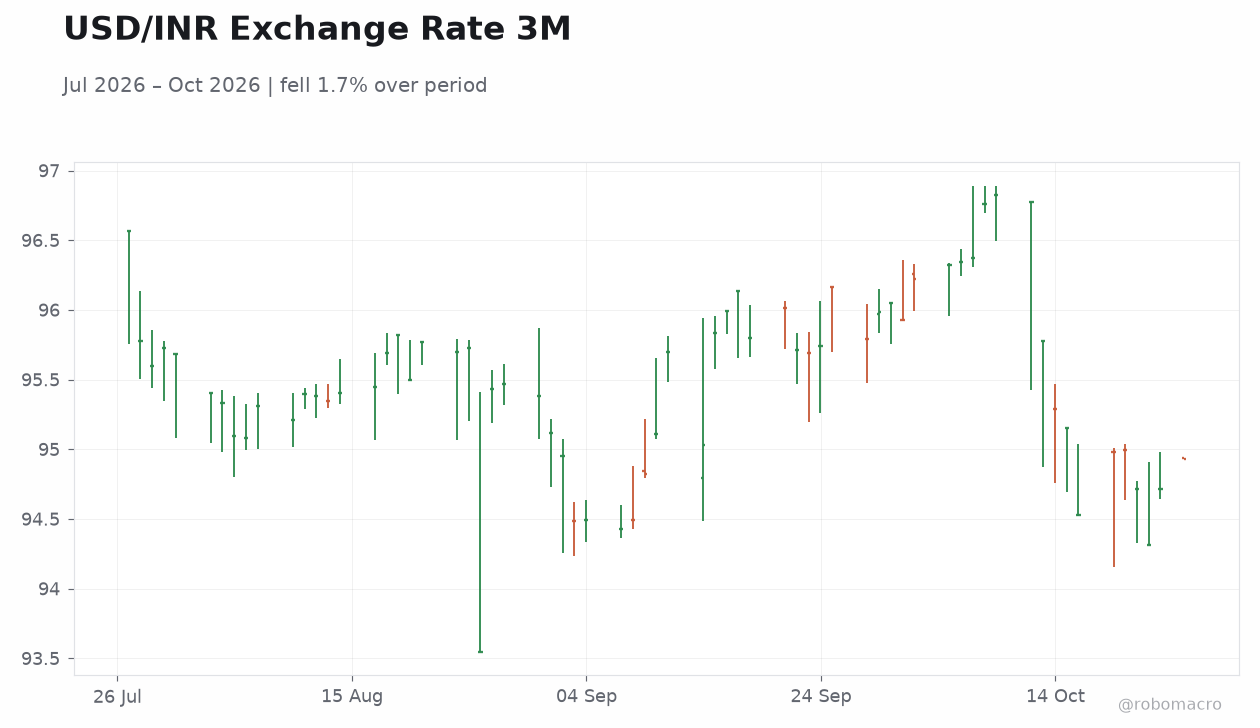
| USD/INR | 94.93 | +0.23% |
| EUR/INR | 106.58 | +0.25% |
| Reliance | 1,190.00 | +0.46% |
| HDFC Bank | 692.80 | -0.18% |
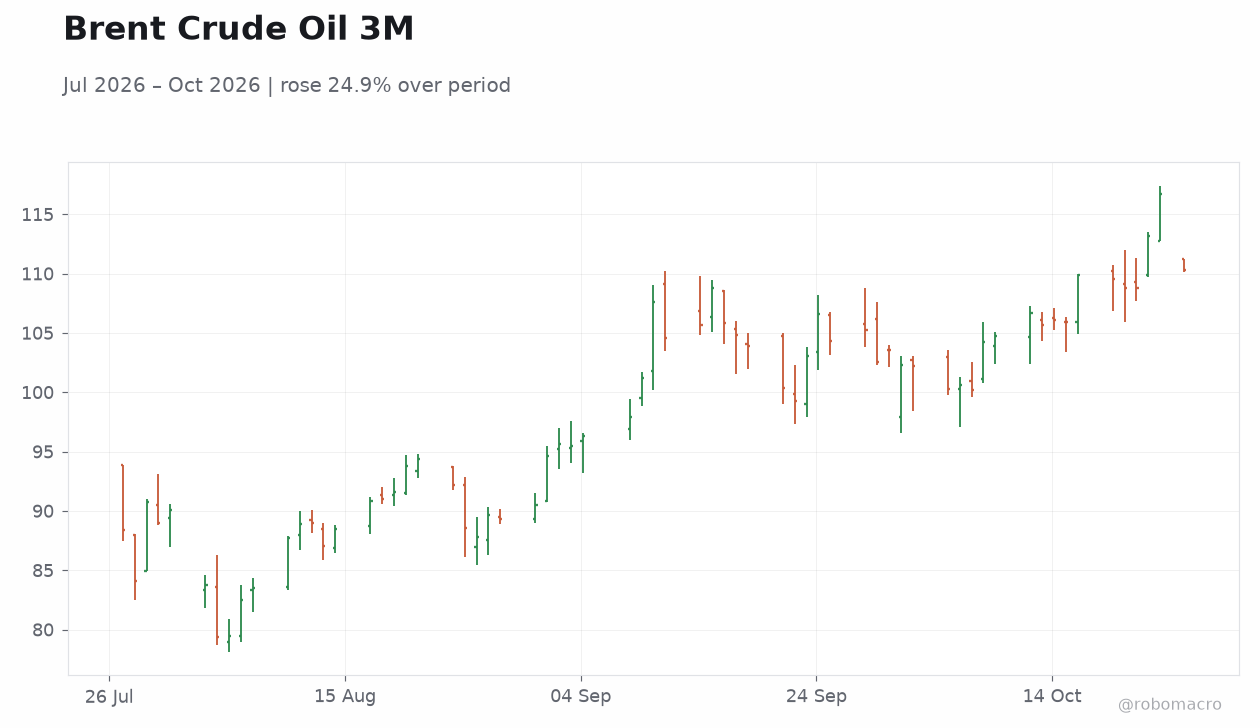
| Brent Crude | 110.33 | -5.47% |
| Gold | 4,006.00 | -0.05% |
| Bitcoin | 80,168.21 | -0.77% |
| India 2Y Govt Yield | - | - |
| India 10Y Govt Yield | - | - |
Prior Economic Events
| Data | Prior | Cons | Actual |
|---|---|---|---|
| No events available | |||
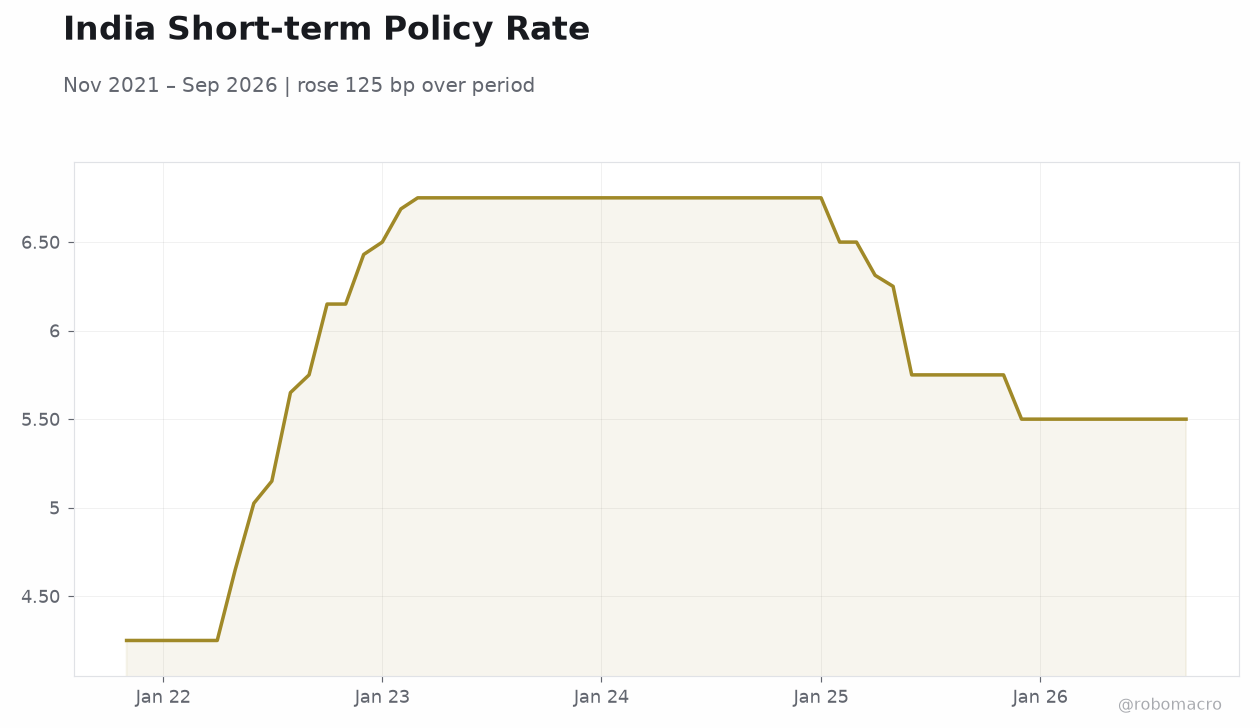 India Short-term Policy Rate | Type: macro_line | Policy Rate %: 5.5 (2026-09-01) | Range: 4.25–6.75 | Trend(5pt): 4.25,6.5,6.75,6.25,5.5
Today's Economic Events
| Data | Prior | Cons | Time |
|---|---|---|---|
| No events available | |||
- Private sector PMI hits four-month high in October as inflation cools
- RBI bulletin stresses resilient growth and policy support amid global headwinds
- Rupee slips 0.23% to 94.93; RBI targets volatility, not specific levels
Yesterday's Recap
Indian equities closed lower on 24 October with Nifty 50 falling 0.39% to 22,600 and Sensex declining 0.17% to 73,123.83. The rupee weakened 0.23% to 94.93 against the dollar as Brent crude dropped 5.47% to 110.33. The latest RBI Bulletin highlighted that strong macroeconomic fundamentals and policy interventions continue to anchor the economy despite external pressures.
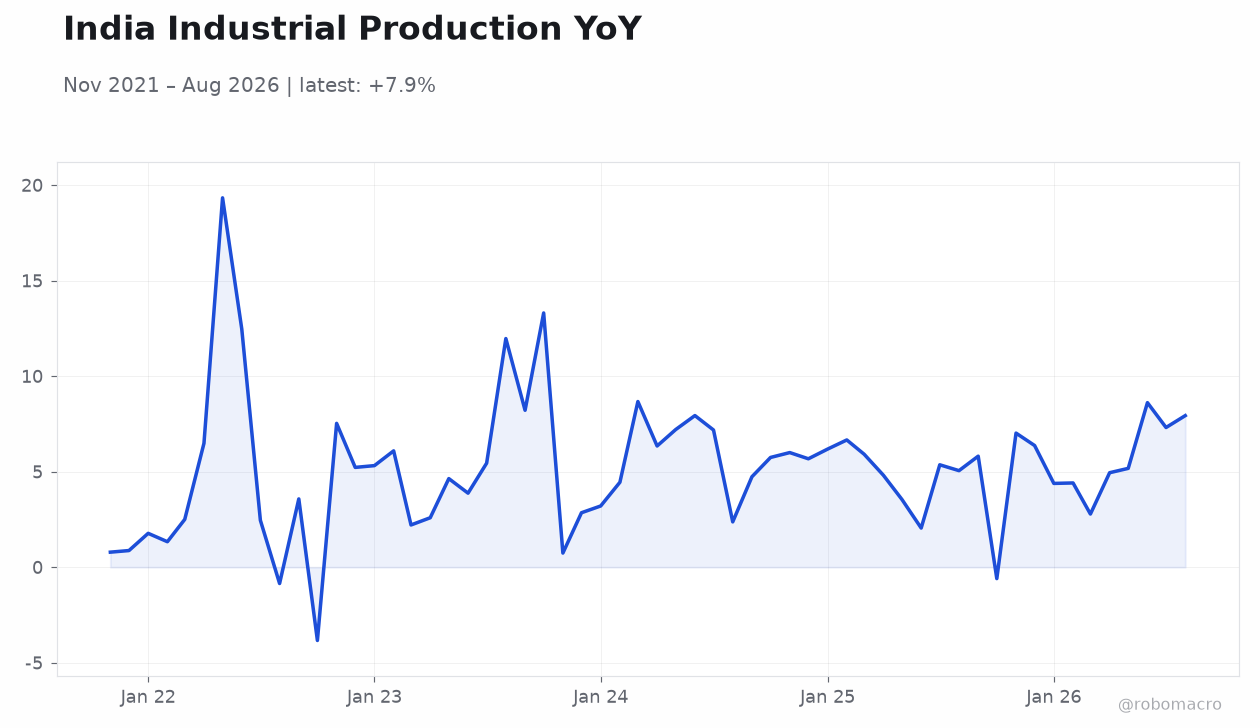
HSBC Flash India PMI data showed private sector activity reaching a four-month high, supported by faster manufacturing and services expansion plus rising new orders. Prime Minister Modi stressed the need to shield the banking system from cyber threats during a visit to RBI facilities. Governor Malhotra reiterated that the central bank does not target any specific rupee level and instead focuses on containing excessive volatility.
Industry groups welcomed RBI and government steps to attract long-term capital inflows.
The Day Ahead
With no major data releases scheduled, markets will likely monitor rupee movements and global risk sentiment. Traders will assess follow-through from the upbeat PMI print and RBI Bulletin commentary on growth resilience. Attention may turn to any further official remarks on liquidity management or foreign exchange operations.
Equity flows into IT and banking sectors could influence Nifty and Sensex direction. Investors will also watch oil price stability given the sharp Brent decline and its implications for import costs.
Other Economic Notes
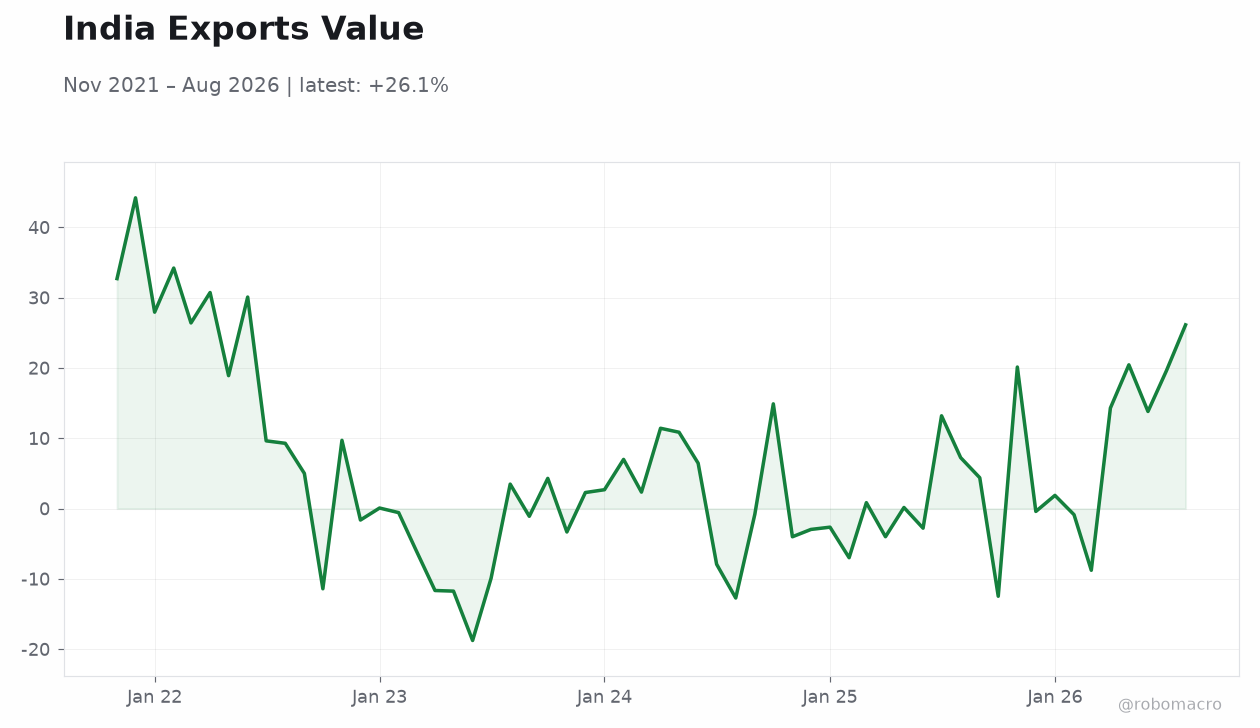
The Indian economy continues to expand at a steady pace even as global demand faces headwinds from elevated energy prices and trade uncertainties. Strong domestic consumption and investment remain key supports, reinforced by targeted policy measures. RBI interventions have helped maintain banking system stability while preserving external sector buffers.
Private sector momentum, evident in the latest PMI, suggests underlying demand remains intact and inflationary pressures are moderating. These dynamics position India favorably relative to many emerging market peers facing sharper slowdown risks.